
Automotive Component Procurement: Price vs Quality

In today’s cost-sensitive manufacturing environment, procurement of industrial components for automotive has become a strategic balance between price control and long-term quality assurance. For purchasing professionals, choosing the right suppliers means more than lowering unit costs—it affects production stability, compliance, delivery performance, and brand reputation. Understanding how to evaluate both price and quality is essential for making smarter, lower-risk sourcing decisions.
Understanding Price and Quality in Automotive Component Sourcing
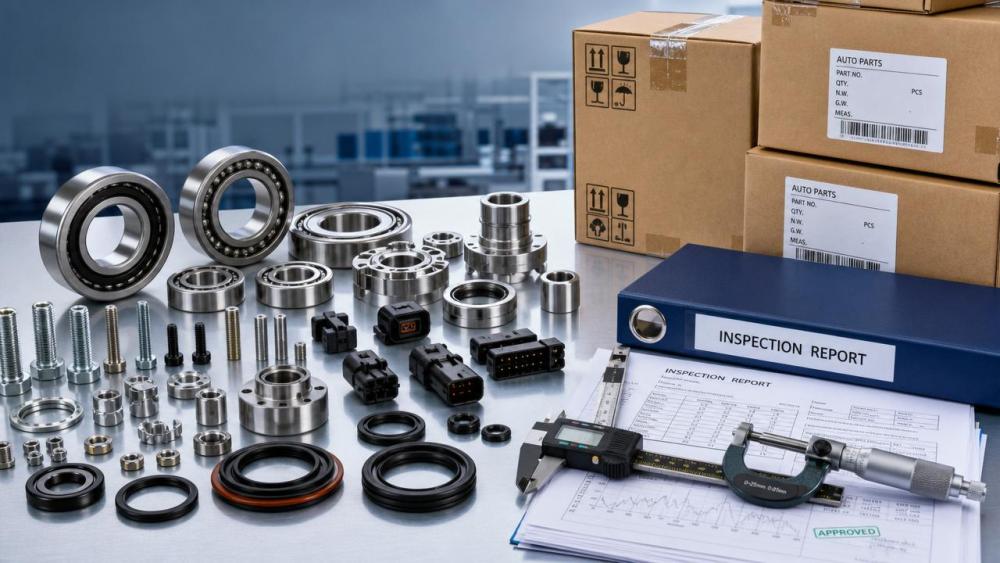
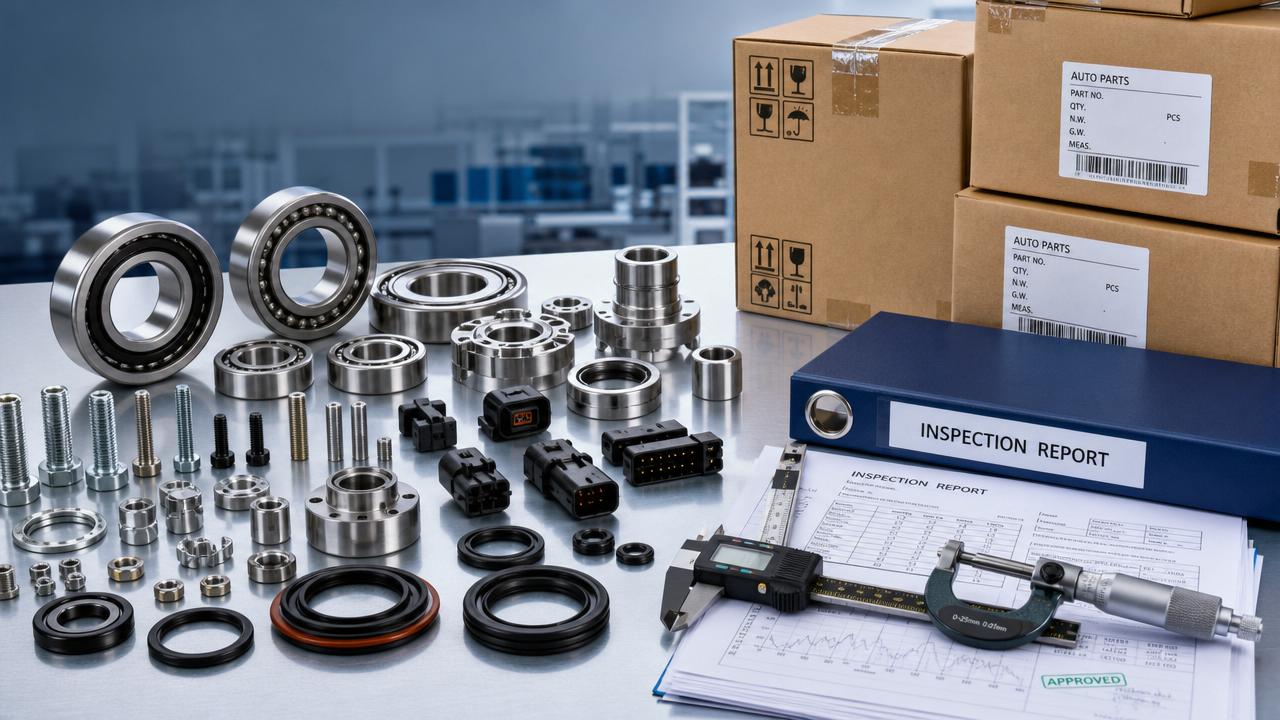
The procurement of industrial components for automotive covers a wide range of items, including fasteners, bearings, castings, sensors, wiring elements, rubber parts, stamped metal components, connectors, and precision-machined assemblies. In a broader industrial context, these parts are sourced through networks that connect manufacturing machinery, industrial equipment, and electrical supply chains. Because automotive production relies on synchronized operations, even a low-cost component can become expensive if it creates downtime, rejects, warranty claims, or delivery delays.
Price is often the most visible metric in supplier comparison, but it is only one part of total procurement value. Unit price may look attractive at the quotation stage, yet hidden costs can emerge through inconsistent tolerances, poor packaging, unstable lead times, weak documentation, or limited process control. For this reason, procurement of industrial components for automotive should be assessed through total cost of ownership rather than invoice price alone.
Quality, meanwhile, is not limited to product performance after installation. In automotive-related supply chains, quality includes material traceability, process capability, testing records, conformity to specifications, stability across batches, and responsiveness to corrective action requests. A supplier that can consistently deliver within specification often provides more long-term value than a lower-priced alternative with unpredictable output.
Current Market Signals Affecting Procurement Decisions
Several trends are reshaping the procurement of industrial components for automotive across global and regional markets. Volatile raw material prices, stricter compliance requirements, nearshoring strategies, and pressure on lead-time reliability are changing how buyers compare offers. Electrical content in vehicles is also rising, which increases the importance of stable sourcing for connectors, control parts, insulation materials, and related industrial supplies.
These signals show why a simple low-price strategy is no longer sufficient. In many cases, procurement of industrial components for automotive now depends on balancing commercial competitiveness with production security, technical consistency, and trade risk control.
Business Value of a Balanced Procurement Approach
A balanced sourcing model creates value well beyond the purchasing department. When procurement of industrial components for automotive is aligned with engineering, quality, logistics, and compliance requirements, the result is greater operational stability. Fewer line stoppages, lower defect rates, and smoother incoming inspection processes all contribute to healthier margins and stronger customer confidence.
This approach also improves forecasting and supplier collaboration. Suppliers that understand quality expectations and cost targets can propose process improvements, material alternatives, or packaging changes that reduce waste without sacrificing performance. Over time, this creates a more efficient supply base and strengthens the overall industrial procurement framework.
- Lower total cost through reduced scrap, rework, and returns
- Improved delivery reliability for production planning
- Better audit readiness and documentation control
- Stronger supplier relationships for long-term sourcing continuity
- Reduced exposure to hidden quality-related costs
In practical terms, procurement of industrial components for automotive should support both short-term budget targets and long-term business resilience. The most effective sourcing decisions often come from comparing supplier performance across commercial, technical, and operational dimensions at the same time.
Typical Component Categories and Evaluation Priorities
Not all components should be evaluated with the same weighting. High-volume standard items may justify stronger price pressure, while safety-relevant, electrical, or precision parts usually require tighter quality screening. A category-based evaluation model helps make procurement of industrial components for automotive more consistent and defensible.
This structured view makes it easier to prioritize supplier audits, negotiate realistic targets, and avoid applying the wrong sourcing logic to critical parts. Effective procurement of industrial components for automotive depends on matching evaluation depth to component risk and business impact.
Practical Methods for Comparing Suppliers Beyond the Quoted Price
A strong supplier comparison process should convert abstract quality claims into measurable indicators. Instead of asking whether one offer is “better,” decision-makers can compare evidence tied to performance history, process maturity, and service capability. This reduces subjectivity in procurement of industrial components for automotive and supports clearer internal alignment.
Recommended evaluation criteria
- Quoted price versus cost breakdown transparency
- Production capacity and lead-time consistency
- Defect history, corrective action speed, and PPAP or equivalent documentation readiness
- Testing capability, inspection method, and traceability system
- Export documentation, packaging standards, and logistics responsiveness
- Financial stability and continuity risk
A weighted scorecard is often useful. For example, low-risk standard parts may be scored with a heavier cost weighting, while technical or compliance-sensitive items may place more weight on quality systems and process control. In this way, procurement of industrial components for automotive becomes a disciplined sourcing exercise rather than a price-only comparison.
Supplier site visits and sample validation also remain important. Drawings and certificates can confirm baseline capability, but actual manufacturing conditions reveal whether a supplier can sustain quality under real production volume. Observing tooling maintenance, in-process inspection, operator training, and warehouse management often provides insights that quotations do not show.
Risk Control and Implementation Recommendations
To improve procurement of industrial components for automotive, organizations should combine sourcing discipline with risk prevention. The objective is not to eliminate cost pressure, but to avoid false savings that create larger downstream losses. A practical implementation roadmap can include the following actions:
- Segment components by risk, technical complexity, and supply impact.
- Define minimum quality requirements before requesting quotations.
- Use total cost models that include inspection, scrap, logistics, and downtime exposure.
- Qualify at least one alternate source for critical items where possible.
- Review supplier performance regularly using delivery, quality, and response metrics.
- Align sourcing decisions with engineering and compliance documentation needs.
Special attention should be given to change management. A lower-cost supplier switch may appear justified on paper, but if the transition introduces tooling variation, approval delays, or inconsistent materials, the total impact can be negative. Controlled onboarding, pilot orders, and first-batch verification are essential steps in procurement of industrial components for automotive.
Next-Step Actions for Smarter Sourcing
The most reliable path forward is to treat price and quality as linked decision factors rather than competing goals. In the current industrial environment, procurement of industrial components for automotive works best when supplier selection is based on full commercial and technical evidence. That means comparing not just what a component costs today, but what it contributes to stability, compliance, and long-term operating performance.
As a practical next step, review active component categories, identify where quality failures create the greatest hidden costs, and update supplier scorecards accordingly. Strengthen the sourcing process with clearer specifications, better cost analysis, and more rigorous verification of supplier capability. A disciplined approach to procurement of industrial components for automotive can reduce risk, improve supply chain resilience, and create more dependable value across manufacturing and industrial operations.



Industry Briefing
Get the top 5 industry headlines delivered to your inbox every morning.