
Deep Groove Ball Bearings Market Trends: Why Precision Components Are Becoming Critical to Global Manufacturing

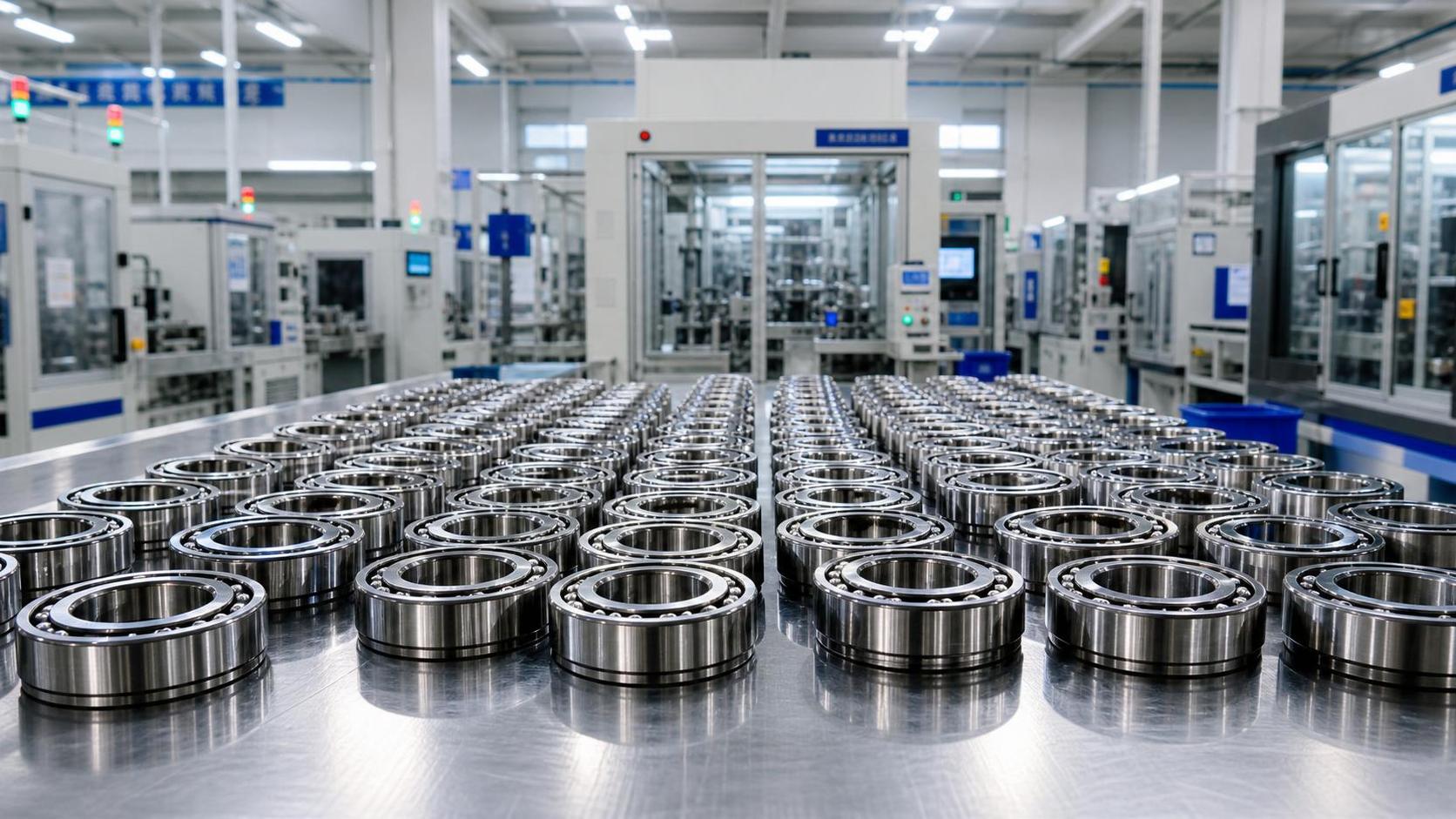
The Global Bearing Market Is Moving Toward Precision and Reliability
The global manufacturing industry is entering a period where small mechanical components are receiving much greater attention from procurement teams, engineers, and equipment manufacturers. As factories become more automated, machines run at higher speeds, and downtime becomes more expensive, the performance of bearings has become directly connected to production efficiency. Among the many types of rolling bearings used across modern industries,deep groove ball bearings remain one of the most widely used and commercially important product categories.
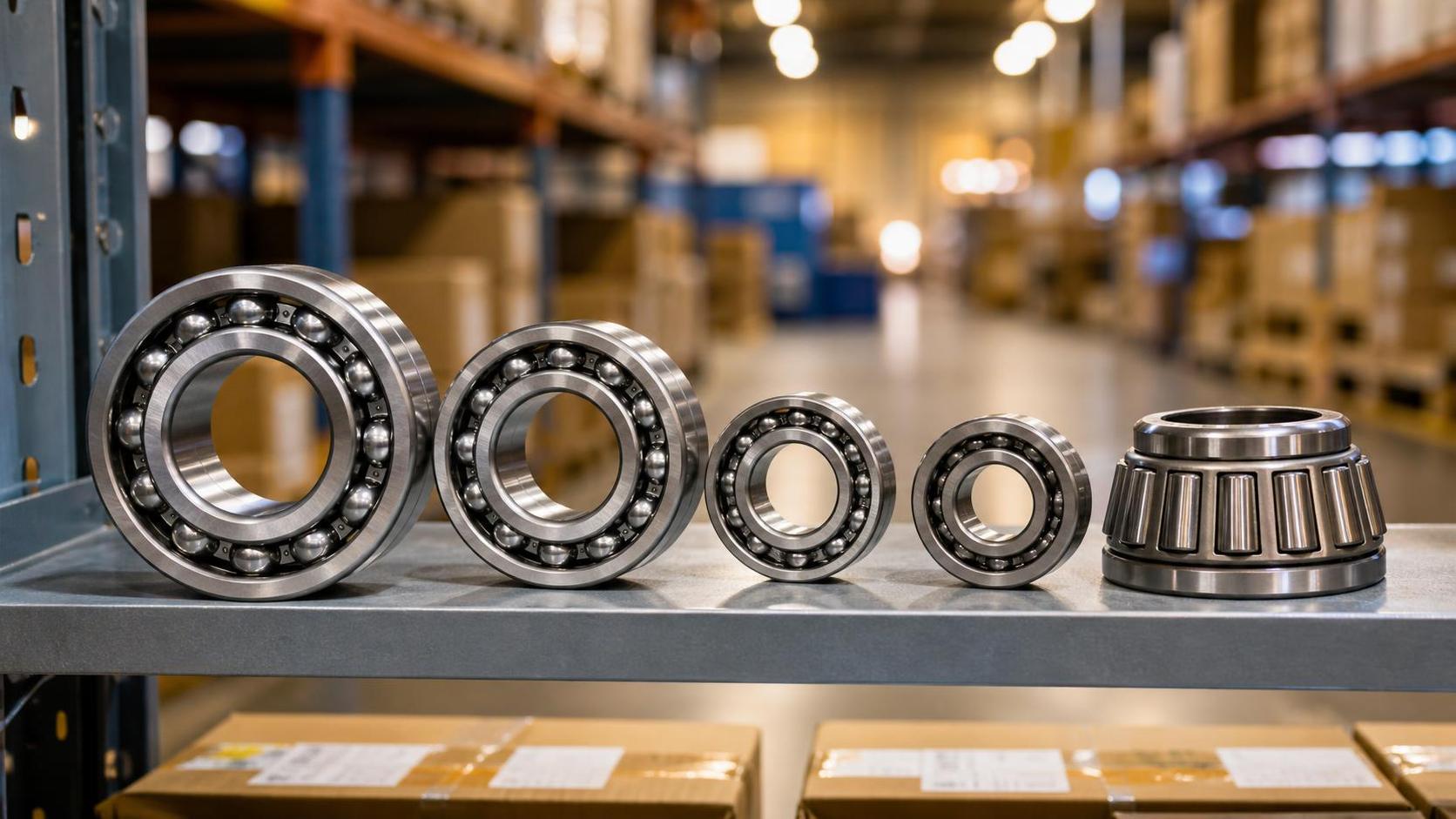
Deep groove ball bearings are valued because of their simple structure, low friction, high-speed capability, stable rotation, and broad application range. They are commonly used in motors, pumps, gearboxes, household appliances, automotive systems, agricultural machinery, medical equipment, mining equipment, machine tools, fans, conveyors, and many other mechanical systems. This wide application base makes them a core product in the global bearing market.
Unlike highly specialized bearings used only in narrow industries, deep groove ball bearings serve both standard and demanding operating environments. Their ability to handle radial loads and certain bidirectional axial loads gives them strong flexibility. For manufacturers, this means one bearing category can support many product lines, reducing sourcing complexity and improving inventory efficiency.
Why Demand for Deep Groove Ball Bearings Is Growing
One major driver of demand is the global expansion of industrial automation. Automated production lines rely on motors, conveyors, linear systems, robotic arms, transmission equipment, and precision machinery. All of these systems require stable rotating components. When bearings perform well, machines run smoothly. When bearings fail, production can stop immediately.
This is why buyers are becoming more selective. They are not only looking for low-cost bearings. They are looking for products with stable quality, accurate dimensions, reliable sealing, low noise, good lubrication, and long service life. In many factories, a small bearing failure can cause large losses through downtime, maintenance labor, delayed delivery, and equipment damage. As a result, bearing quality is increasingly viewed as a strategic purchasing factor.
Electric motors are another important demand source. Deep groove ball bearings are widely used in motors because they support high-speed rotation with relatively low friction. As electric motors are used more widely in industrial equipment, HVAC systems, pumps, fans, home appliances, electric tools, and automation systems, bearing demand continues to grow. The global trend toward electrification also supports long-term bearing consumption.
Manufacturing Upgrades Are Raising Quality Expectations
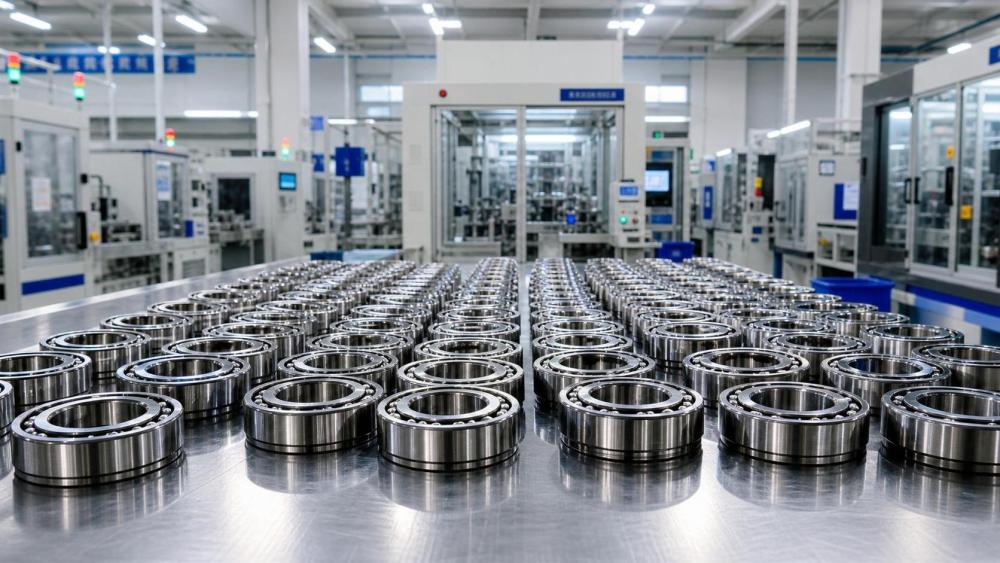
The bearing market is not only growing in volume; it is also becoming more quality-driven. In the past, many buyers focused mainly on model number, size, and price. Today, procurement teams are paying closer attention to tolerance level, material quality, heat treatment, cage structure, lubrication, sealing type, vibration level, noise level, and packaging reliability.
This change is especially visible in export markets. Buyers serving Europe, North America, the Middle East, Southeast Asia, and Latin America often need bearings that can meet consistent quality expectations. They may use bearings in different climates, duty cycles, and machine types. A product that works in a light-duty application may not perform well in a high-speed motor or continuous industrial machine. Therefore, stable manufacturing control is becoming a competitive advantage for bearing suppliers.
Automated grinding lines, strict inspection systems, and quality certifications are also becoming more important in supplier evaluation. Buyers increasingly prefer suppliers that can provide consistent batches rather than only one-time low prices. This trend favors bearing manufacturers and exporters with stronger process control and broader inventory capacity.
Supply Chain Stability Is Becoming a Key Purchasing Factor
The bearing industry is closely linked to global supply chains. Bearings are used in almost every industrial sector, which means demand can come from many different directions at the same time. When machine builders, automotive suppliers, equipment maintenance companies, and distributors all need replenishment, availability becomes critical.
Recent global supply chain disruptions have changed buyer behavior. Many companies now maintain more flexible sourcing strategies. Instead of relying on a single source, they often build relationships with multiple qualified suppliers. They also pay more attention to stock availability, response speed, packaging, export documentation, and shipping reliability.
For deep groove ball bearings, this is particularly important because standard models are frequently purchased in large quantities. Distributors and maintenance companies need stable stock to serve urgent replacement demand. Industrial buyers need predictable supply to support production plans. When suppliers can offer a wide product network and fast response, they gain a stronger position in the market.
Application Diversity Supports Long-Term Market Resilience
One of the biggest strengths of deep groove ball bearings is their application diversity. They are used in both light-duty and industrial-grade equipment. In household appliances, they support smooth rotation and low-noise performance. In motors and fans, they help maintain speed stability. In agricultural machinery, they support rotating parts under dusty and outdoor conditions. In machine tools, they contribute to accuracy and operational stability. In automotive and truck systems, they help reduce friction and support movement in demanding environments.
This broad application base makes market demand more resilient. If one sector slows down, another sector may continue to grow. For example, construction machinery demand may fluctuate with infrastructure investment, while electric motor demand may remain stable due to automation and energy-efficiency upgrades. Agricultural machinery demand may vary by season, while maintenance and replacement demand continues throughout the year.
This diversity is one reason deep groove ball bearings remain a strong product category for international B2B trade. They are easy to understand, widely recognized by model series, and required by many different buyers.
Industrial Maintenance Is Creating Steady Replacement Demand
In addition to new equipment manufacturing, maintenance and replacement demand is a major part of the bearing market. Bearings are wear components. Even high-quality bearings eventually need replacement due to fatigue, contamination, lubrication failure, overload, misalignment, or long operating hours.
Factories, mines, steel mills, cement plants, paper mills, farms, and transportation companies all need replacement bearings to keep equipment running. Maintenance teams often prefer standard bearing models that can be sourced quickly. This creates continuous demand for common deep groove ball bearing series.
The maintenance market also values reliability. A low-quality replacement bearing may solve an immediate problem but create another failure soon after installation. For equipment that operates continuously, buyers often prefer bearings that balance cost, performance, and service life. This creates opportunities for suppliers that can provide stable quality and clear product information.
Price Pressure and Quality Balance Are Reshaping Procurement
Like many industrial components, bearings face price competition. Buyers often compare multiple suppliers, especially for standard models. However, the market is gradually moving away from purely price-based purchasing. The reason is simple: bearings are small components, but their failure cost can be high.
A cheaper bearing may increase total cost if it causes noise, vibration, overheating, premature failure, or equipment downtime. This is why professional buyers increasingly evaluate total value instead of only unit price. They consider service life, consistency, technical support, packaging, delivery time, and supplier reliability.
For suppliers, this means market communication should focus not only on price, but also on performance advantages, quality control, application suitability, and supply capability. In a mature industrial market, buyers need confidence. They want to know that the product they receive will match the specification and perform consistently in real working conditions.
Automation, Robotics, and Precision Equipment Are Opening New Opportunities
The rise of robotics, medical equipment, precision machinery, and automated systems is creating new demand for bearings with better accuracy and lower noise. These applications often require smoother movement and more stable performance than traditional machinery. Bearings used in such systems must support precision, repeatability, and low vibration.
Deep groove ball bearings are not limited to basic applications. With the right material, tolerance, lubrication, and sealing design, they can serve many medium-precision and high-speed systems. This creates opportunities for manufacturers that can offer multiple grades and series for different application needs.
As automation continues to spread into factories, warehouses, laboratories, medical equipment, and smart devices, bearing demand will become more technical. Buyers will increasingly ask whether a bearing is suitable for speed, load, temperature, environment, lubrication method, and expected service life. This makes product knowledge and supplier communication more important.
Export Buyers Are Looking for Complete Bearing Support
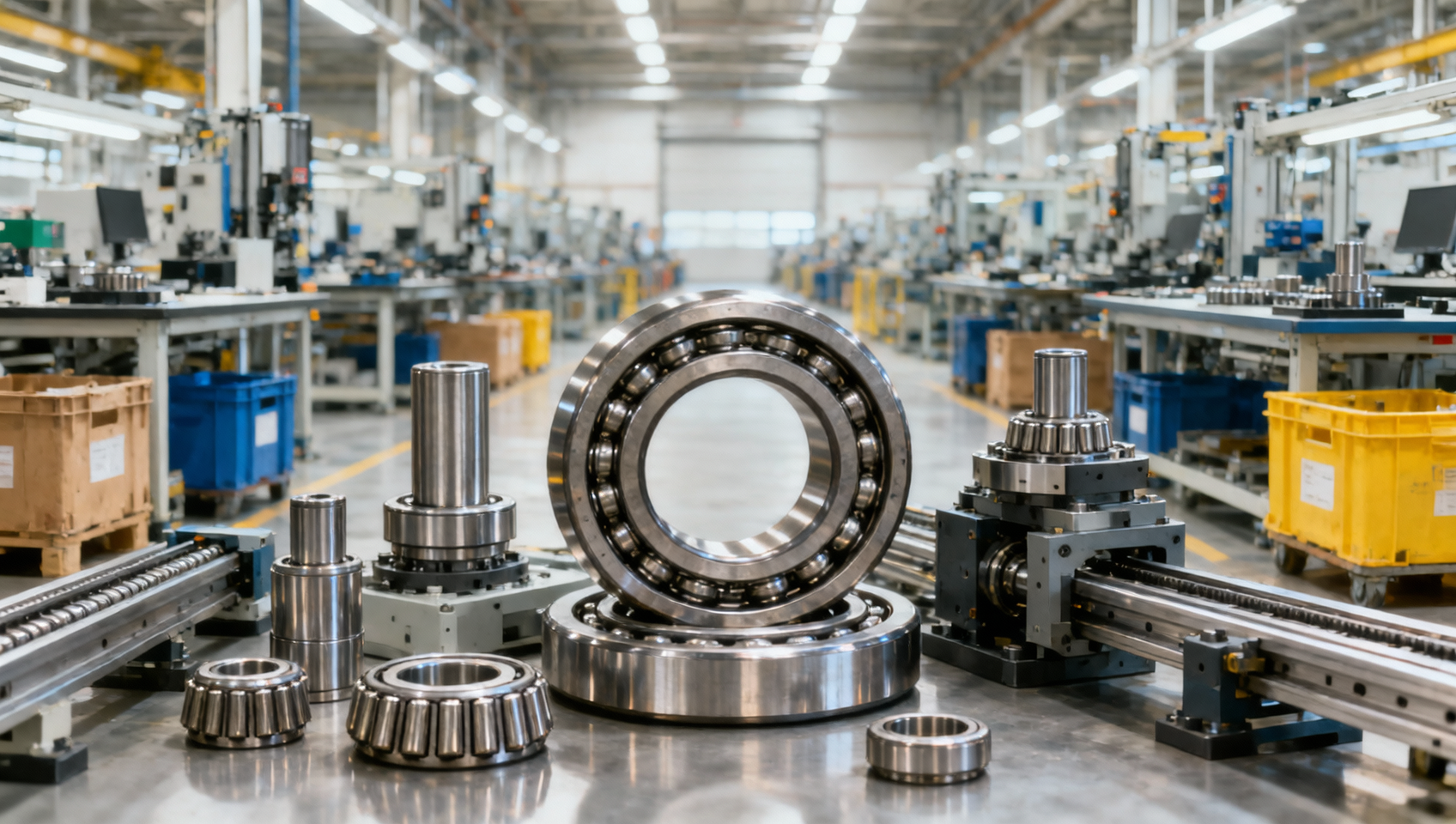
International buyers often need more than a single bearing model. They may purchase deep groove ball bearings together with tapered roller bearings, pillow block bearings, wheel hub bearings, linear guide rail bearings, mast bearings, optical axes, or other mechanical components. A supplier with a broad bearing product network can help buyers reduce sourcing time.
This is especially useful for distributors, repair companies, machinery manufacturers, and industrial spare parts suppliers. Instead of managing many small suppliers, they can consolidate orders with one partner. This improves communication efficiency, reduces shipping complexity, and supports mixed-product purchasing.
The ability to support customized needs is also important. Some buyers require special packaging, specific brands, OEM markings, technical data, or model matching. Others need help identifying replacement models. Suppliers that provide responsive service can build stronger long-term relationships.
Market Outlook for Deep Groove Ball Bearings
The outlook for deep groove ball bearings remains positive because the product is deeply connected to industrial activity, automation, maintenance, and equipment production. Demand will continue to come from motors, appliances, vehicles, agricultural machinery, machine tools, pumps, fans, conveyors, mining equipment, steel mills, medical devices, and robotics.
The strongest growth opportunities are likely to appear in markets where manufacturing modernization is accelerating. As factories upgrade equipment and invest in automation, bearing quality requirements will increase. At the same time, replacement demand from existing machinery will continue to provide stable baseline consumption.
The market will also become more segmented. Basic standard bearings will remain price-sensitive, while higher-performance bearings for motors, automation, and industrial equipment will require better quality control and technical support. Suppliers that can serve both standard inventory demand and application-specific demand will be more competitive.
Conclusion: Bearings Are Small Components With Strategic Industrial Value
Deep groove ball bearings may be small compared with the machines they support, but their importance is growing across global manufacturing. They reduce friction, support rotation, improve efficiency, and help equipment operate reliably. As industries become more automated and downtime becomes more costly, bearing selection is becoming a more strategic decision.
For buyers, the best procurement strategy is to balance price, quality, availability, and supplier reliability. For suppliers, the opportunity lies in offering consistent products, broad model coverage, responsive service, and export-ready support. As global manufacturing continues to demand higher efficiency and more stable supply chains, deep groove ball bearings will remain one of the essential components powering industrial progress.
Industry Briefing
Get the top 5 industry headlines delivered to your inbox every morning.