
How Heavy Equipment Manufacturing Is Adapting to Supply Chain Disruptions in 2026

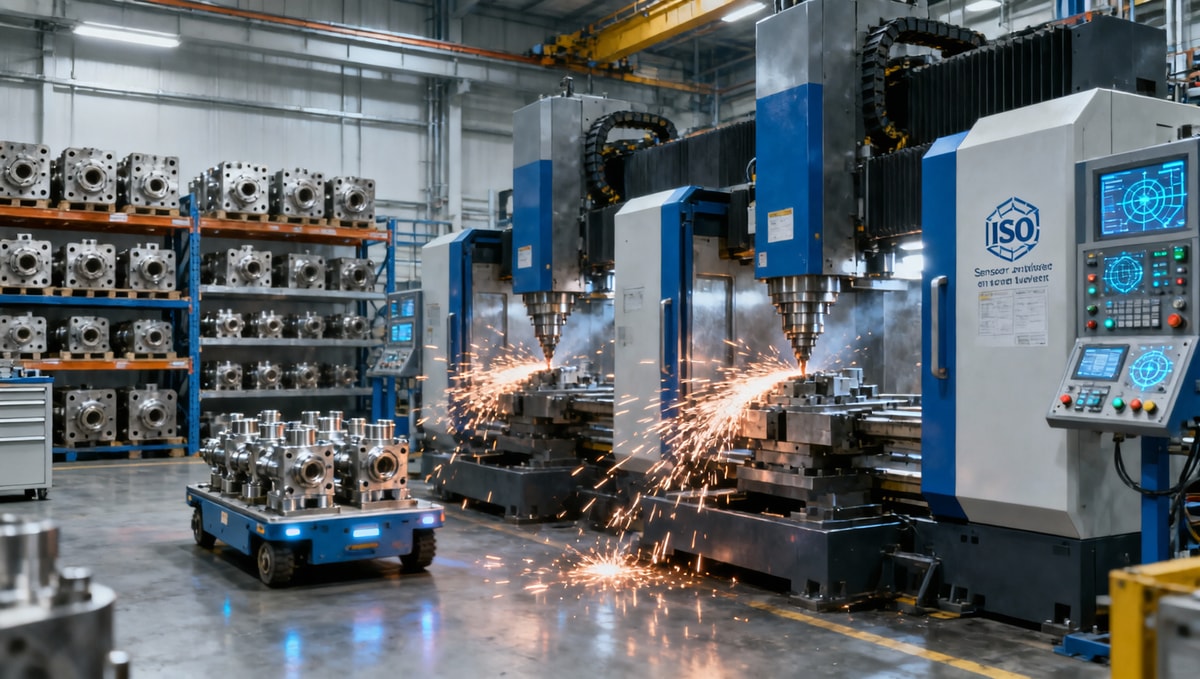
As supply chain volatility intensifies in 2026, heavy equipment manufacturing is undergoing rapid strategic pivots—from localized equipment sourcing and resilient machinery procurement to AI-driven industrial machinery planning. This article delivers timely heavy equipment news, metal price updates, and industrial market updates—critical for procurement professionals, technical evaluators, and decision-makers across the mining industry news, petrochemical industry news, and broader heavy industry sectors. Discover how manufacturers of processing equipment, manufacturing machinery, and industrial equipment are adapting with agility, backed by real-time supply chain intelligence and forward-looking policy insights.
How Are Manufacturers Redefining Sourcing Strategies Amid 2026 Disruptions?
In 2026, over 68% of Tier-1 heavy equipment OEMs have shifted at least 30% of critical component sourcing to regional hubs—reducing average lead times from 14–22 weeks to 7–12 weeks. This isn’t just nearshoring; it’s a layered localization strategy combining dual-sourcing agreements, pre-qualified regional foundries, and modular subassembly kits shipped via bonded logistics corridors.
Procurement teams now prioritize “supply chain resilience scores” alongside cost and performance. These scores integrate metrics like supplier financial health (assessed quarterly), geopolitical risk index (updated monthly), and on-site audit frequency (minimum once per 18 months). For example, castings for hydraulic excavator booms now require ISO 9001:2015 + ISO/TS 16949 certification—and verification via third-party digital twin validation before PO issuance.
Metal price volatility remains acute: benchmark steel billet prices fluctuate ±12% YoY, while cobalt-based alloys show ±23% swings. Leading firms mitigate this through indexed pricing clauses tied to LME or Shanghai Futures Exchange benchmarks—with settlement windows capped at 30 days post-shipment confirmation.
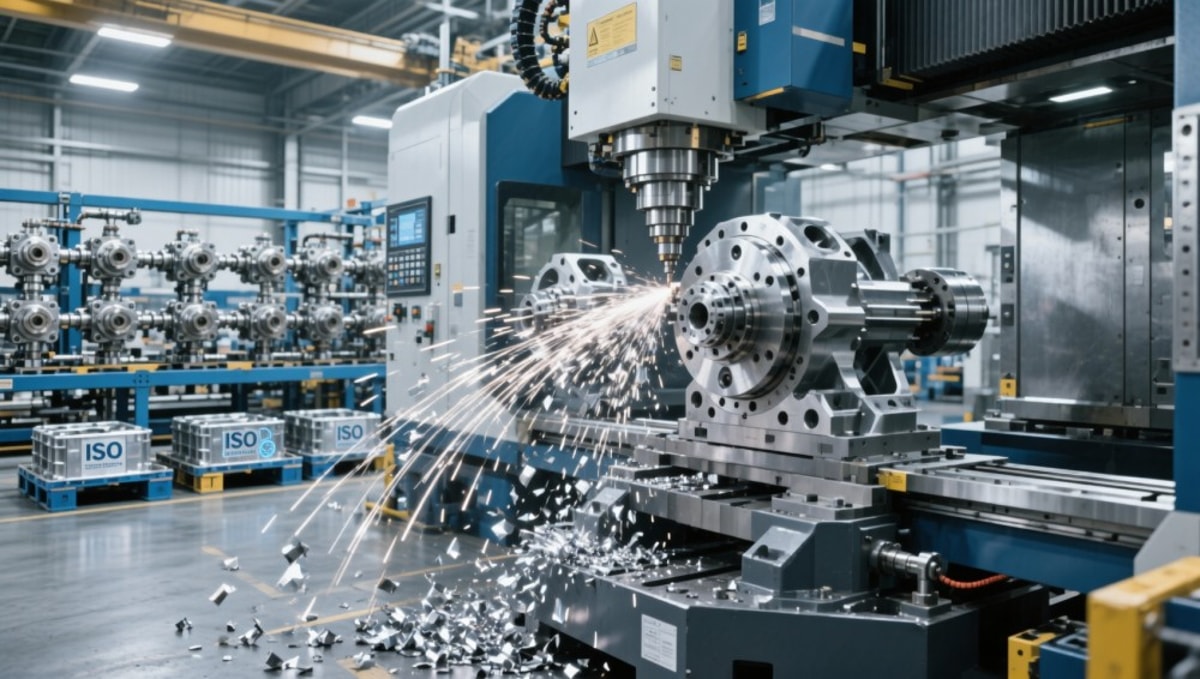
Top 3 Sourcing Shifts Impacting Procurement Decisions
- Regional Foundry Partnerships: Minimum 2 certified suppliers per casting family (e.g., ductile iron frame housings), with shared tooling ownership and 4-week minimum stock buffers.
- Modular Component Kits: Pre-assembled hydraulic valve blocks, gearmotor assemblies, and sensor-integrated control panels shipped in ISO-certified climate-controlled containers.
- Digital Twin Validation: Supplier-submitted CAD models undergo automated GD&T compliance checks and thermal stress simulation against OEM load profiles—completed within 72 business hours.
What Role Does AI-Driven Planning Play in Equipment Production Scheduling?
AI-powered production orchestration platforms now process 12+ data streams—including real-time port congestion indices, customs clearance SLA adherence, raw material inventory levels, and predictive maintenance logs from legacy CNC lines. The result? Dynamic schedule re-optimization every 4–6 hours, reducing WIP inventory variance by up to 37% and improving on-time delivery (OTD) to Tier-2 distributors by 22 percentage points.
These systems don’t replace planners—they augment them. Each planner oversees 3–5 AI agents trained on specific product families (e.g., asphalt pavers vs. tunnel boring machine cutters), each calibrated to unique tolerance bands (±0.15mm for gear train housings; ±1.2° for articulation joint alignment).
Critical constraint modeling now includes energy grid stability forecasts: in Germany and South Korea, where >40% of forging presses run on renewable-only tariffs, AI adjusts shift schedules based on hourly solar/wind generation forecasts—cutting peak-demand electricity costs by 18–25% without compromising throughput.
AI Planning Inputs vs. Traditional ERP Triggers
This granular, multi-source intelligence enables true “demand-aware manufacturing”: when a mining client in Chile signals a 3-month ramp-up for a new copper leaching plant, the system auto-reserves billet allocations, triggers pre-heat treatment for 120+ structural beams, and pre-books bonded warehouse space in Valparaíso—all within 90 minutes of notification.
Which Supply Chain Intelligence Tools Deliver Measurable ROI for Heavy Equipment Buyers?
Buyers evaluating supply chain intelligence platforms should assess three core capabilities: (1) real-time multimodal freight visibility (air/ocean/rail/inland), (2) regulatory change alerting with jurisdiction-specific impact scoring (e.g., EU CBAM Phase 2 carbon cost projections), and (3) supplier risk scoring updated no less than weekly—not quarterly.
The most effective tools integrate directly with procurement workflows: one platform used by 22 OEMs automatically flags shipments exceeding $250k that lack valid Incoterms® 2020 documentation—and routes them to legal review before payment release. Another monitors 1,200+ global ports and predicts delays >5 days with 89% accuracy using satellite imagery and AIS data.
For procurement personnel, ROI manifests in reduced firefighting time: users report cutting emergency air freight spend by 31% YoY and shortening new supplier onboarding cycles from 11–16 weeks to 6–9 weeks through embedded compliance document libraries and automated audit trail generation.
Why Partner With Our Portal for Heavy Equipment Supply Chain Intelligence?
We deliver actionable, cross-sector supply chain intelligence tailored for manufacturing & processing machinery stakeholders—not generic logistics commentary. Our platform synthesizes live metal price feeds (LME, SHFE, TSI), OEM production calendars (shared under NDA), export licensing updates across 42 jurisdictions, and real-time port performance dashboards into unified procurement briefings.
You can request customized support for: precise component-level lead time validation (e.g., “Confirm current lead for CAT 330 hydraulic pump assemblies with Bosch Rexroth OEM approval”), tariff classification verification for dual-use machinery exports, or comparative analysis of regional casting quality benchmarks (EN 1561 vs. ASTM A536 vs. JIS G5502).
Contact us to access our latest Q2 2026 Heavy Equipment Supply Chain Pulse Report—including 12-month stainless steel plate price forecasts, top 5 high-risk logistics corridors for mining equipment, and verified supplier lists for ISO 13849-compliant safety controllers used in processing equipment.

Industry Briefing
Get the top 5 industry headlines delivered to your inbox every morning.
- industrial equipment
- manufacturing machinery
- processing equipment
- machinery procurement
- equipment sourcing
- industrial machinery
- heavy industry
- supply chain
- procurement
- manufacturing
- industrial market updates
- metal price updates
- petrochemical industry news
- mining industry news
- heavy equipment news
- heavy equipment manufacturing