
What is changing in environmental protection equipment demand

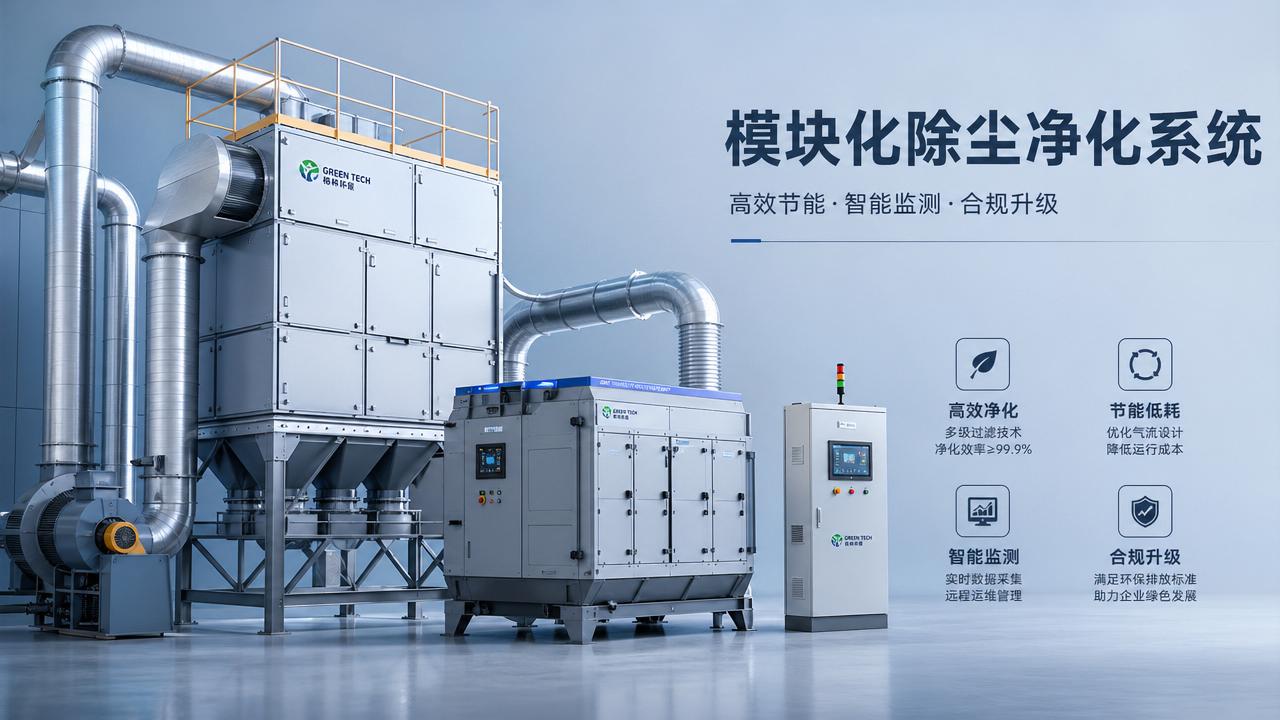
Demand for environmental protection equipment is shifting as dealers, distributors, and agents respond to tighter regulations, smarter manufacturing, and changing buyer priorities. In today’s environmental equipment news for environmental protection, market players are seeing stronger interest in energy-efficient, digitalized, and compliance-focused solutions. Understanding these changes can help channel partners identify profitable product trends, adjust sourcing strategies, and capture new opportunities across industrial and electrical supply chains.
For channel partners serving manufacturing, processing machinery, industrial components, and electrical supply markets, the question is no longer whether demand is growing, but where it is moving and how fast. Buyers are comparing lifecycle cost, emissions performance, automation compatibility, and after-sales support more closely than they did 3 to 5 years ago. That shift is changing stocking decisions, supplier evaluation criteria, and the value of technical service in the sales process.
This article looks at what is changing in environmental protection equipment demand, why those changes matter to distributors, and how to respond with better product mix, smarter procurement, and stronger market positioning. It also highlights practical decision points that can improve turnover, reduce inventory risk, and support more stable margins in a competitive B2B environment.
Why demand is shifting across industrial environmental equipment
The first major driver is regulation. Across many industrial sectors, compliance is becoming more detailed and more frequent, especially in air filtration, wastewater treatment, dust collection, VOC control, and energy monitoring. End users are no longer buying equipment only to solve a visible pollution issue. In many cases, they are investing to meet inspection cycles, maintain production permits, and reduce shutdown risk within the next 6 to 24 months.
The second driver is the modernization of production lines. Factories upgrading motors, control panels, conveyors, compressors, or thermal systems are increasingly pairing those investments with environmental solutions that can communicate with PLCs, sensors, and remote dashboards. That means demand is moving away from standalone units and toward connected systems with alarm functions, data logging, and preventive maintenance signals.
A third factor is purchasing behavior. Industrial buyers are asking more questions about operating cost over 12 to 36 months rather than focusing only on initial price. A dust collector with lower energy consumption, or a wastewater unit with simpler cartridge replacement, may win even if the upfront cost is 8% to 15% higher. This is an important signal in environmental equipment news for environmental protection because it affects how distributors should present value.
Where the strongest product attention is appearing
Demand is rising most clearly in equipment tied to measurable plant performance. These include compact dust extraction systems, industrial air filters, oil mist collectors, fume treatment units, modular wastewater treatment skids, and energy-efficient fans and pumps. Products that can fit retrofit projects within 2 to 6 weeks are often easier for channel partners to sell because they align with maintenance shutdown windows.
Another visible trend is stronger inquiry volume for medium-scale solutions rather than oversized custom systems. Many small and mid-sized manufacturers prefer modular units that can start with one treatment stage and expand to 2 or 3 stages later. This lowers initial investment pressure and allows distributors to offer phased upgrades.
Key demand signals for dealers to monitor
- Shorter inquiry-to-quotation cycles, often within 3 to 7 working days for standard units.
- More requests for power consumption data, filter life estimates, and maintenance intervals.
- Higher interest in digital controls, remote alerts, and integration with existing electrical cabinets.
- Preference for suppliers who can support installation guidance and spare parts planning for 6 to 12 months.
Which product features are gaining priority in buyer decisions
In practical terms, demand is moving from basic compliance hardware toward equipment that combines environmental performance with production efficiency. Buyers want lower energy draw, easier servicing, compact installation footprints, and more predictable consumables replacement. For distributors, this means technical specifications are becoming stronger sales tools than general product claims.
The table below outlines how common buyer priorities are changing across industrial environmental applications. It can help channel partners adjust product selection and sales messaging in current environmental equipment news for environmental protection.
The strongest conclusion is that performance transparency matters more than before. A distributor that can explain airflow range, filtration stage, sludge handling frequency, motor efficiency class, or replacement cycle in specific terms is more likely to secure repeat business than one relying only on brochure-level positioning.
Features that improve conversion and repeat orders
For many products, the most persuasive features are not always the most complex. End users often value a filter replacement interval of 2,000 to 4,000 hours, a control cabinet with clear alarms, or a pump system that reduces energy draw by 10% to 20% under normal load. These details directly affect maintenance planning and plant operating budgets.
Compactness is another priority. In retrofit projects, space is frequently the hidden barrier. Equipment that fits narrow workshops, mezzanine installations, or existing utility zones without major civil work gains a clear advantage. This is especially relevant for distributors serving older factories that are upgrading in stages rather than building greenfield facilities.
Practical selection points for channel partners
- Compare energy use at actual operating load, not only rated conditions.
- Check whether key consumables are available within 7 to 15 days.
- Confirm if the control system supports common industrial signals and basic remote diagnostics.
- Review service access space, because poor maintenance access can increase labor time by 20% or more.
How distributors should adjust sourcing and inventory strategy
As demand changes, inventory strategy should change with it. Stocking only traditional models may create slow-moving inventory, especially where buyers are migrating to more efficient or more intelligent systems. A better approach is to separate environmental equipment into three layers: fast-moving standard units, configurable mid-range solutions, and project-based custom systems.
For many dealers, the best balance is to keep 30% to 40% of inventory in standard components such as filter elements, motors, valves, sensors, and control accessories, while using supplier-backed lead times for larger assemblies. This reduces capital pressure and improves service capability. It also supports cross-selling into electrical equipment and industrial component channels.
Supplier selection is becoming more technical. Beyond price and MOQ, distributors should assess documentation quality, spare parts continuity, packaging stability for export, and responsiveness during pre-sales clarification. In environmental equipment news for environmental protection, these operational details increasingly influence channel loyalty because delayed support can disrupt end-user compliance deadlines.
A workable sourcing framework
The table below shows a practical procurement framework for channel partners managing multiple product categories across industrial and electrical supply chains.
This framework helps distributors protect cash flow while staying responsive to rising demand in energy-efficient and compliance-focused products. It also creates a more stable mix between recurring sales from consumables and higher-value project opportunities.
Common sourcing mistakes to avoid
- Overstocking one large-capacity model while neglecting the mid-range capacities that generate more frequent orders.
- Ignoring spare parts compatibility, which can make service contracts difficult to support after 6 months.
- Choosing suppliers with weak technical files, making quotations and compliance reviews slower.
- Failing to align packaging and export documentation with destination market expectations.
What end users now expect beyond the equipment itself
Environmental protection equipment is increasingly sold as part of a service package rather than as a standalone machine. Buyers want installation guidance, commissioning support, training, spare parts visibility, and troubleshooting pathways. In many markets, the distributor that can deliver a 24 to 48 hour response on technical questions gains a clear competitive edge even when product pricing is not the lowest.
Documentation quality is also becoming a commercial factor. End users often need operating manuals, maintenance schedules, wiring references, and parts lists that support internal audits or external inspections. For equipment linked to emissions control, wastewater handling, or hazardous dust capture, incomplete documentation can delay acceptance and weaken buyer confidence.
Training is another growing need. A system with advanced controls may underperform if operators do not understand alarm logic, filter loading trends, or calibration steps. Distributors should be ready to offer basic onboarding in 3 formats: on-site explanation, digital manuals, and remote support. This increases equipment uptime and improves the chance of repeat orders for upgrades or consumables.
Service capabilities that support sales growth
In current environmental equipment news for environmental protection, service strength is often the difference between a one-time sale and a long-term account. Buyers evaluating industrial supply partners increasingly score them on speed, clarity, and continuity. A structured service offer does not need to be complex, but it should be visible and measurable.
Core service elements to build into the sales model
- Pre-sales application check covering airflow, load, liquid composition, voltage, and installation space.
- Commissioning checklist with 5 to 8 key validation points such as pressure, vibration, current, and alarm status.
- Preventive maintenance schedule with monthly, quarterly, and annual tasks.
- Spare parts recommendation for the first 6 to 12 months of operation.
- Clear escalation path for urgent failures or process deviations.
These service layers make technical products easier to sell through dealer and agent networks. They also reduce the risk of product misapplication, which is one of the main causes of disputes in industrial equipment transactions.
FAQ and market guidance for the next buying cycle
As market demand evolves, dealers and distributors are asking more focused questions about product fit, lead times, margin protection, and risk management. The answers below reflect common concerns seen in environmental equipment news for environmental protection and can help channel partners plan the next 2 to 4 quarters more effectively.
How should a distributor choose between standard and smart environmental equipment?
The decision depends on end-user maturity and application risk. For basic workshop filtration or non-critical treatment tasks, standard equipment can still be suitable. But where maintenance labor is limited, inspection frequency is rising, or multiple shifts are running, smart features such as pressure alarms, runtime logging, and remote alerts add real value. In many cases, the price premium is easier to justify when downtime costs are visible.
What delivery cycle should channel partners prepare for?
For common consumables and standard modules, 7 to 20 days is a workable planning range. For configured systems that require drawings, electrical review, or test reports, 4 to 8 weeks is more realistic. If the application includes export packing, voltage customization, or special corrosion requirements, extra time should be built into the schedule at the quotation stage.
Which indicators matter most during procurement?
Focus on 4 areas: environmental performance, operating cost, serviceability, and supplier responsiveness. For example, check whether energy use is documented, whether wear parts are standardized, whether maintenance access is practical, and whether technical questions are answered within 24 to 72 hours. These factors often affect long-term profitability more than nominal unit price.
What is the biggest mistake in this market right now?
One common mistake is treating environmental equipment as an isolated category. In reality, it intersects with motors, controls, sensors, pipe systems, pumps, and industrial automation. Distributors who connect these categories can build stronger solution bundles, increase average order value, and meet buyer expectations more effectively.
Demand for environmental protection equipment is becoming more selective, more technical, and more service-driven. For dealers, distributors, and agents, the strongest opportunities are in products that combine compliance support, energy efficiency, digital visibility, and practical maintenance advantages. A disciplined mix of smart sourcing, application knowledge, and after-sales readiness will make it easier to convert demand into repeat business.
If you are looking to refine your product portfolio, compare supply options, or identify the right environmental equipment strategy for industrial and electrical markets, contact us today to get tailored market insights, discuss product details, and explore more solutions suited to your channel and customer base.

Industry Briefing
Get the top 5 industry headlines delivered to your inbox every morning.