
Mining operations in 2026: what environmental updates could delay exports?

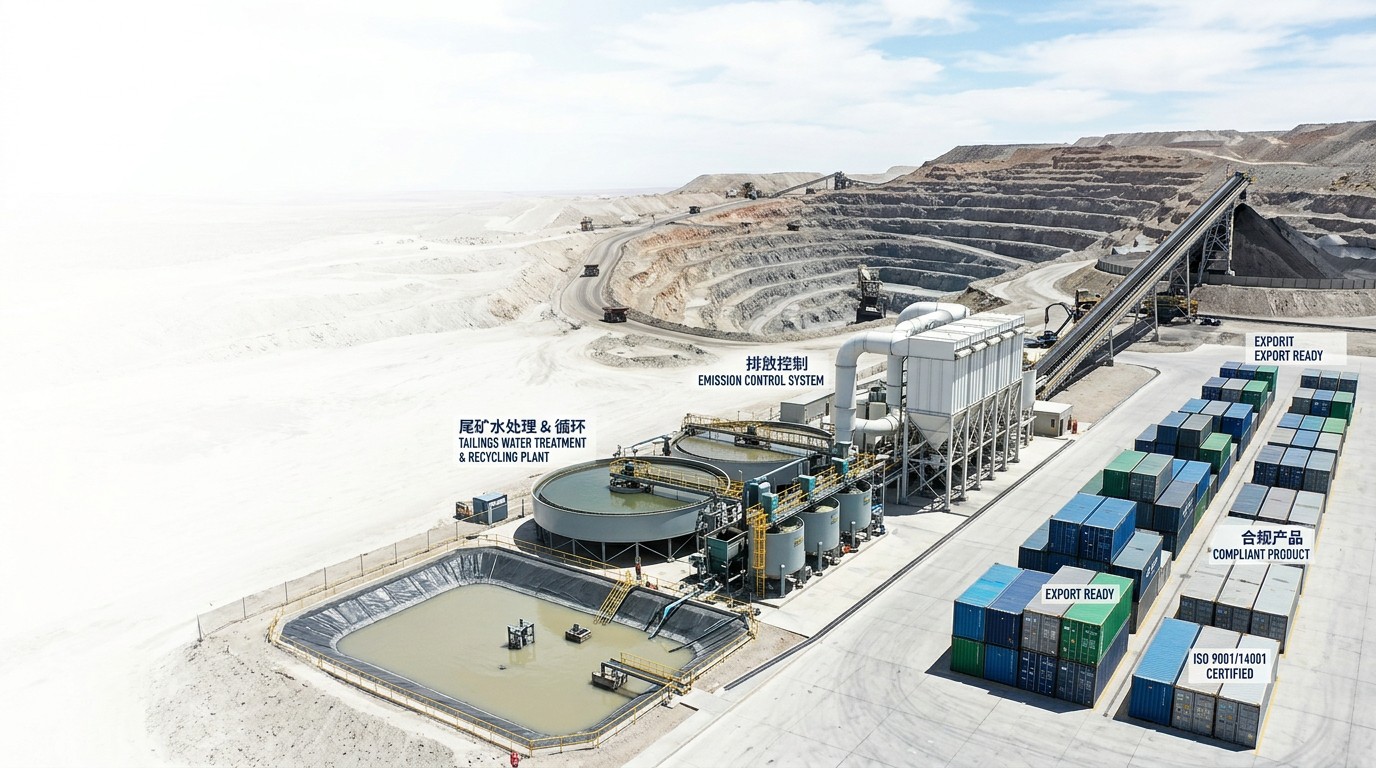
In 2026, mining companies and exporters face growing pressure from industrial environmental news, policy interpretation, and export trade developments that could delay shipments and raise compliance costs. From emission control and carbon reduction rules to wastewater treatment upgrades and green technology adoption, this market analysis highlights the key environmental updates shaping the mining sector, helping manufacturers, suppliers, buyers, and decision-makers prepare for export risks.
The core question behind this topic is practical: which environmental updates are most likely to interrupt mining exports in 2026, and how should companies prepare before cargo is held, rejected, or made more expensive? For most readers—especially procurement teams, operators, exporters, and business decision-makers—the concern is not environmental policy in the abstract. It is whether new rules will slow customs clearance, trigger plant shutdowns, increase documentation requirements, or make certain markets harder to serve profitably.
The short answer is that export delays in 2026 are most likely to come from five pressure points: tighter emissions enforcement, stricter water and tailings controls, carbon-related reporting requirements, expanded due diligence expectations across supply chains, and slower approvals where mining sites or processing plants need environmental upgrades. Companies that treat these as compliance, procurement, and logistics issues—not only sustainability issues—will be in a stronger position.
Which environmental updates are most likely to delay mining exports in 2026?
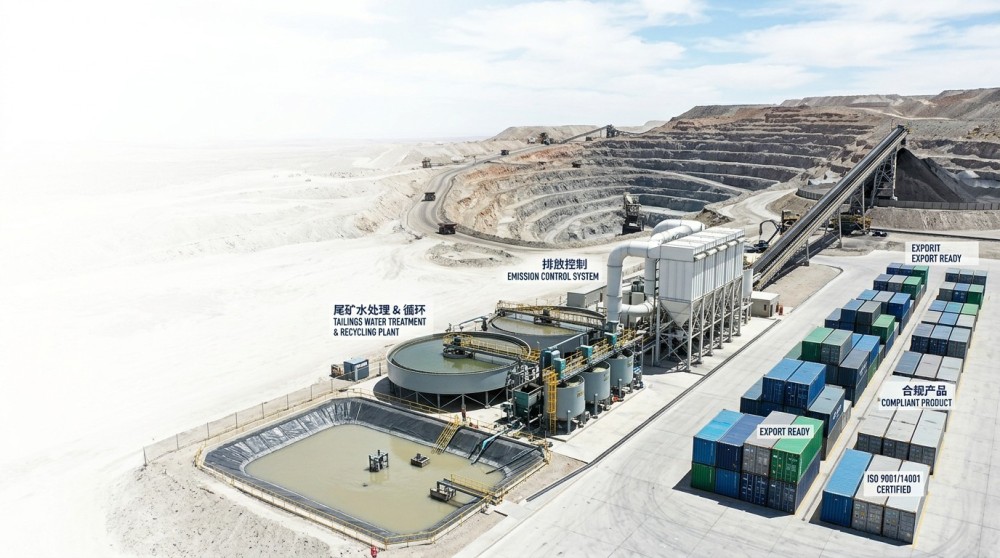
For mining operations, export disruption usually starts upstream, long before a shipment reaches port. In 2026, the environmental updates most likely to create delay risk include:
- Stricter air emissions standards for dust, sulfur oxides, nitrogen oxides, and particulate matter in mining and ore processing facilities.
- More aggressive wastewater and tailings oversight, especially for operations near sensitive water resources.
- Carbon disclosure and product footprint requirements from destination markets, large industrial buyers, and financial institutions.
- Environmental permit reviews or renewals taking longer due to tighter enforcement and more detailed documentation demands.
- Supply chain traceability rules that increasingly connect environmental compliance with sourcing decisions and import approvals.
- Energy transition-related operating requirements, including pressure to reduce diesel dependence, improve energy efficiency, or adopt cleaner processing technologies.
Not every mine will face all of these risks equally. The highest exposure is usually found in export-oriented operations that supply metals, concentrates, processed minerals, and industrial raw materials into markets with stricter buyer compliance systems or more active customs screening.
Why can environmental updates slow exports even when demand remains strong?
Many companies assume export delays happen mainly because of shipping congestion, trade controls, or weak demand. In reality, environmental compliance can interrupt exports at several business-critical points:
- Production delays: a plant may be forced to reduce output or suspend operations if emission, water discharge, or waste handling systems do not meet updated requirements.
- Permit delays: expansion, renewal, or modification approvals may take longer, limiting throughput or preventing new capacity from coming online.
- Buyer-side caution: overseas customers may postpone orders until a supplier can provide updated environmental certifications, audit records, or carbon-related data.
- Port and customs friction: where environmental documentation is linked to origin traceability, hazardous content declarations, or product classification, incomplete records can slow release.
- Financing and insurance pressure: lenders and insurers may tighten underwriting standards for higher-risk sites, creating indirect operational bottlenecks.
In other words, export delay in 2026 is not just a port issue. It is often the final result of unresolved compliance gaps across operations, documentation, and customer requirements.
What will operators, procurement teams, and decision-makers care about most?
Different readers will approach this topic from different angles, but their priorities are closely connected.
- Information researchers want to know which policy trends are real, which are emerging, and which could materially affect trade flows.
- Operators and site managers want to understand what upgrades may be required in emission control, water treatment, dust management, and waste systems.
- Procurement teams and buyers want to know whether suppliers can maintain stable delivery and whether compliance risk should affect sourcing decisions.
- Business leaders want to judge cost impact, timing risk, investment priority, and market access consequences.
The common concern across all groups is this: how to identify environmental risks early enough to avoid shipment delays, margin erosion, and reputational exposure.
Which environmental compliance areas deserve the most attention in mining exports?
In practice, some environmental topics matter far more than others for export continuity in 2026.
1. Air emissions and dust control
Mining and mineral processing operations face increasing scrutiny over fugitive dust, stack emissions, and diesel-related pollutants. This matters especially for crushing, grinding, smelting, drying, and bulk material handling. If regulators tighten inspection frequency or emission thresholds, facilities with outdated filtration, enclosure, or monitoring systems may see production restrictions.
2. Water management and wastewater discharge
Water stress, contamination concerns, and tighter discharge standards are making wastewater compliance a major operational issue. Mines that rely on older treatment systems or have limited water recycling capacity may face both higher costs and slower permit approvals.
3. Tailings and waste governance
Tailings storage and waste rock management remain high-risk areas from both regulatory and investor perspectives. Even if no immediate export ban exists, concerns around environmental safety can trigger inspections, community opposition, permit delays, and buyer caution.
4. Carbon reporting and decarbonization pressure
Even where formal carbon border measures do not directly apply to all mining exports, customers increasingly ask for emissions data, energy sourcing information, and decarbonization plans. Suppliers without credible reporting systems may lose preference in tenders or face longer qualification cycles.
5. Hazardous substances and processing chemicals
For certain minerals and processed outputs, environmental and chemical compliance requirements may expand around storage, transport, labeling, and residual content. This can be especially relevant when exporting into highly regulated manufacturing supply chains.
How can mining companies judge whether a 2026 environmental update is a serious export risk?
Not every regulatory change deserves the same response. A practical way to assess risk is to ask five business-focused questions:
- Does the update affect current operating permits or only future projects?
- Will compliance require equipment upgrades, process changes, or only better reporting?
- Are destination customers already requesting this information in contracts or audits?
- Could failure to comply reduce output, suspend shipments, or increase border scrutiny?
- How long would remediation take if the company is found non-compliant?
If the answer to several of these is yes, the issue is no longer a background policy development—it is an export operations risk.
What should suppliers and exporters do now to reduce delay risk?
The most effective response is early preparation across operations, compliance, and commercial teams. Companies should prioritize the following actions:
- Review permit status and renewal timelines for mines, processing plants, discharge systems, and waste facilities.
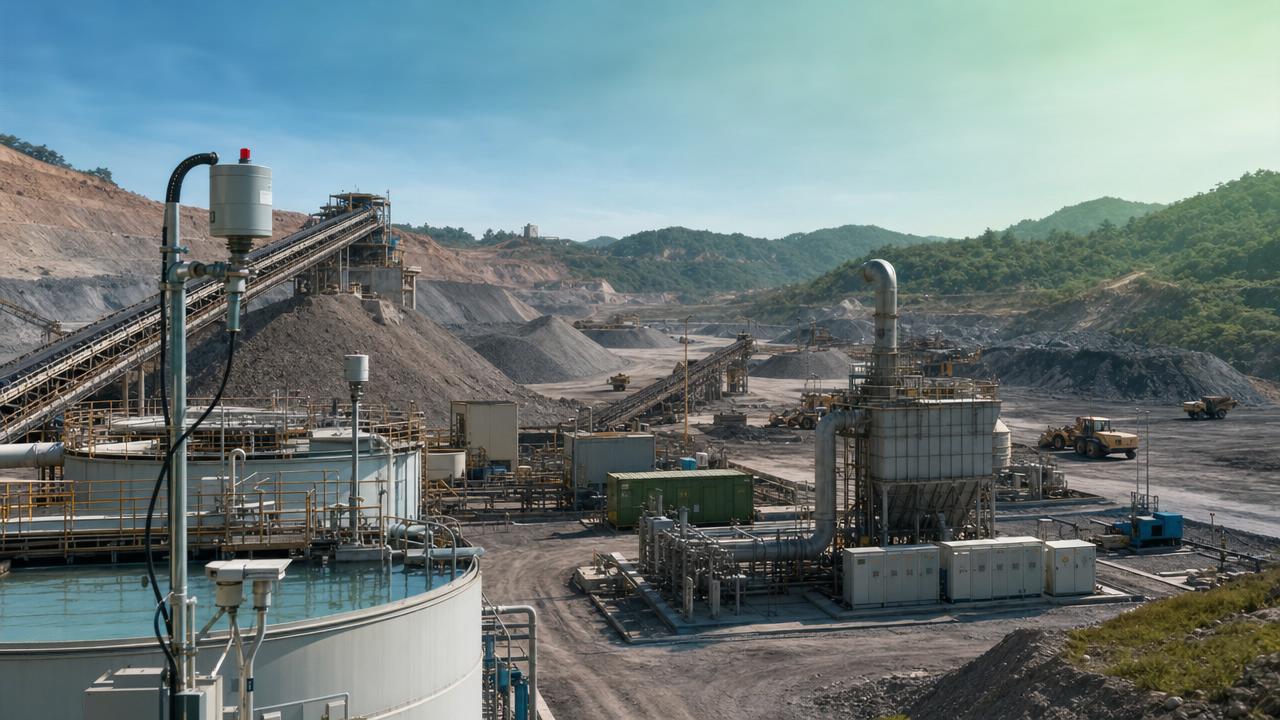
- Audit environmental control equipment such as dust suppression systems, filters, scrubbers, water treatment units, and monitoring instruments.
- Map customer-facing compliance requirements, including carbon data, environmental declarations, and traceability documents.
- Build internal coordination between EHS, operations, export, sales, and procurement teams so documentation gaps do not emerge at shipment stage.
- Evaluate exposure by market, because export destinations differ widely in environmental scrutiny and buyer expectations.
- Prepare backup sourcing or logistics plans where environmental enforcement could temporarily limit production.
For equipment suppliers and industrial service providers serving the mining sector, this also creates opportunity. Demand may increase for filtration systems, wastewater treatment equipment, monitoring solutions, electrification technologies, energy-efficient machinery, and environmental data services.
What does this mean for buyers and procurement teams sourcing from mining suppliers?
Procurement teams should not wait for disruption to appear in delivery schedules. In 2026, supplier evaluation will increasingly include environmental operating resilience. Buyers can reduce risk by asking:
- Are key suppliers facing permit renewals or environmental upgrade deadlines?
- Do they have recent audit records or compliance disclosures?
- Have they invested in emission, water, and waste management systems recently?
- Can they provide reliable data for sustainability reporting or customer due diligence?
- Do they have contingency plans if local environmental enforcement tightens suddenly?
This approach helps buyers protect continuity, not just reputation. A low-cost supplier can become expensive very quickly if environmental non-compliance causes shipment delay, urgent re-sourcing, or contract failure.
Market outlook: will environmental policy become a bigger trade factor for mining in 2026?
Yes. The broader direction is clear: environmental compliance is becoming more connected to trade performance, supplier qualification, and industrial competitiveness. Even where rules differ by country, three trends are consistent:
- Enforcement is becoming more operationally relevant, not just symbolic.
- Customers want more verifiable environmental data, especially in industrial and manufacturing supply chains.
- Technology upgrades are shifting from optional to strategic for exporters that want stable long-term access to international markets.
That means mining companies should watch environmental updates not only as legal obligations, but as signals affecting export timing, cost structure, customer retention, and competitive positioning.
In summary, the environmental updates most likely to delay mining exports in 2026 are those tied to emissions control, water and tailings management, carbon-related reporting, and supply chain transparency. For exporters, the main risk is not a single global rule, but the combined effect of tighter enforcement, more documentation, and higher buyer expectations. Companies that assess compliance gaps early, invest in practical upgrades, and align environmental management with export planning will be far better placed to avoid delays, protect margins, and maintain market access.

Industry Briefing
Get the top 5 industry headlines delivered to your inbox every morning.