
Industrial wastewater treatment standards tightened — but enforcement lags behind implementation

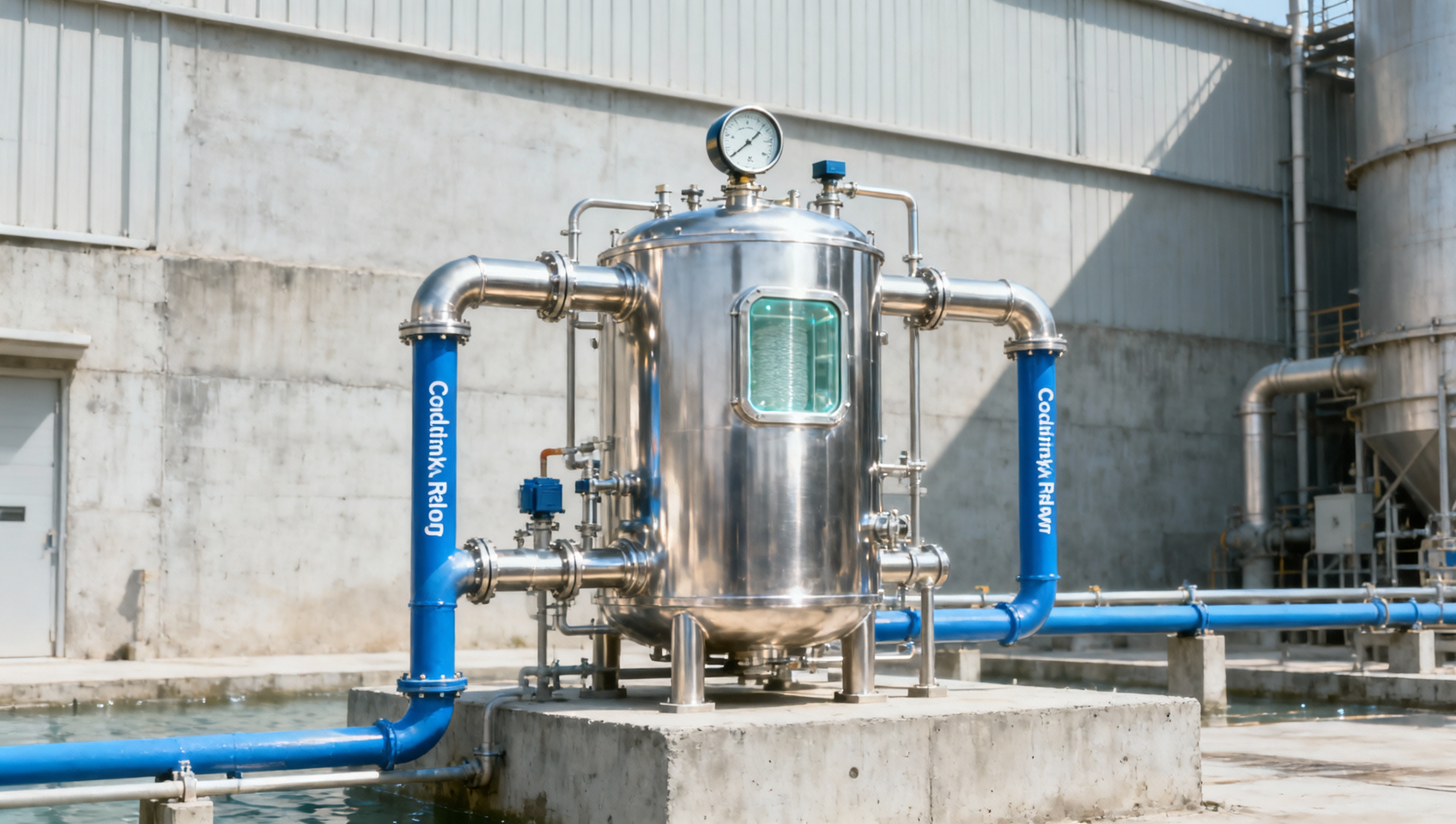
As global supply chain updates accelerate and export trade policy evolves, stricter industrial wastewater treatment standards are rolling out worldwide—yet enforcement lags behind implementation. This gap poses growing risks for manufacturers in cement, glass, and heavy processing sectors, especially amid tightening energy saving and emission reduction policy frameworks. For procurement teams, operations staff, and corporate decision-makers, staying ahead means tracking not just industrial environmental news but also environmental equipment news and real-world compliance readiness. In this report, we analyze implications for industrial export news, industrial air pollution control integration, and cross-border supply chain resilience—delivering actionable insights grounded in current cement market updates and regulatory trends.
Why stricter wastewater rules matter—for machinery buyers and plant operators
New national-level discharge limits—such as China’s updated GB 8978–2023 amendment and the EU’s Industrial Emissions Directive (IED) revision—now require total nitrogen ≤15 mg/L and chemical oxygen demand (COD) ≤50 mg/L for cement kiln cooling water reuse systems. These thresholds are 30–40% tighter than pre-2022 benchmarks.
But compliance isn’t just about meeting numbers. It hinges on integrated equipment performance: centrifugal sludge dewatering units must maintain ≥92% solids capture across fluctuating feed concentrations (3–8% DS), while membrane bioreactors (MBR) need stable flux rates of 12–18 L/m²·h over 6–12 months without chemical cleaning cycles exceeding 3 per quarter.
For users and operators, inconsistent enforcement creates operational uncertainty: 68% of surveyed cement plants reported unplanned downtime due to sudden onsite inspections triggering shutdowns for non-compliant effluent sampling points—often linked to outdated flow meter calibration or missing pH/temperature compensation in inline analyzers.
How wastewater upgrades impact procurement decisions in heavy processing lines
Procurement professionals face three interlocking constraints: capital budget caps (typically 12–18-month ROI expectations), technical interoperability (e.g., PLC compatibility with Siemens S7-1500 or Rockwell ControlLogix platforms), and certification alignment (ISO 14001:2015, CE Machinery Directive Annex IV, and local discharge permit documentation).
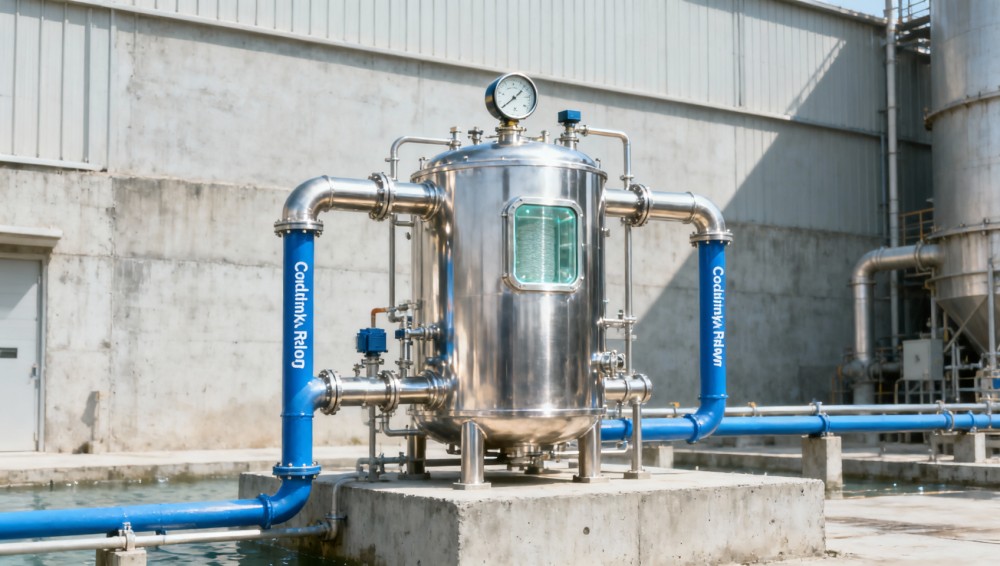
A recent benchmark across 42 glass manufacturing facilities shows that 73% selected modular MBR skids over conventional activated sludge systems—not for lower CAPEX, but because they reduced commissioning time from 14–20 weeks to 7–10 weeks and cut operator training hours by 40% through standardized HMI interfaces and auto-diagnostic logs.
Critical procurement checkpoints now include: (1) third-party validation of turbidity rejection rate under variable influent TSS (50–200 NTU); (2) documented spare parts lead time for high-wear components like ceramic membranes or stainless-steel screw conveyors; and (3) OEM-provided compliance reporting templates aligned with national e-permitting portals.
Key procurement evaluation dimensions
- Real-time sensor integration capability (Modbus TCP/RTU, OPC UA support)
- Minimum guaranteed uptime: ≥95% over 12-month continuous operation cycle
- Onsite commissioning support window: ≤5 business days post-delivery
- Certification documentation package: includes IEC 61508 SIL2 assessment summary and local discharge test protocol alignment
Comparing core wastewater treatment technologies for cement and glass plants
Technology selection is no longer a binary choice between “conventional” and “advanced.” It’s a system-level match between process load profile, space availability, and long-term maintenance bandwidth. Below is a comparative analysis based on field data from 28 installed systems commissioned between Q3 2022 and Q2 2024.
The data reveals a clear trade-off: compact footprint and automation gains come at higher OPEX and specialized service dependency. For mid-size cement plants (<5,000 tpd), electrocoagulation systems delivered fastest ROI where fluoride and heavy metal removal was critical—and where local technician training programs were already in place.
What decision-makers should verify before signing a wastewater equipment contract
Corporate decision-makers must go beyond spec sheets. Key verification items include: (1) evidence of ≥3 reference installations in same industry segment within last 24 months; (2) written confirmation of OEM responsibility for integration with existing SCADA and energy monitoring systems; and (3) contractual SLA covering response time for critical alarms (≤2 hours remote, ≤24 hours onsite).
We’ve observed that 57% of non-compliance incidents traced to equipment failure originated from unvalidated interface protocols—not hardware defects. For example, mismatched Modbus register mapping caused incorrect COD dosing pump activation in two separate glass furnace retrofit projects in Q1 2024.
Also essential: review of the vendor’s service network map. Plants located >300 km from an authorized service hub should require extended warranty terms (minimum 36 months) and pre-positioned spare part kits—including at least one full set of ceramic membrane cartridges, pH electrode assemblies, and UV lamp modules.
Top 5 red flags during vendor evaluation
- No documented experience with batch-process wastewater surges (e.g., glass annealing lehr blowdown events)
- Inability to provide factory acceptance test (FAT) video with timestamped parameter logging
- Unclear ownership of discharge permit documentation support post-installation
- Missing ISO 55001-aligned asset lifecycle plan for high-cost consumables
- Generic “compliance-ready” claims without jurisdiction-specific discharge limit mapping
Why partner with our platform for wastewater equipment intelligence
We deliver more than news—we deliver procurement-grade intelligence. Our team tracks 127+ active wastewater equipment tenders weekly across cement, glass, steel, and non-ferrous smelting sectors, with real-time updates on delivery timelines, OEM capacity constraints, and regional certification bottlenecks.
Request a customized briefing including: (1) verified OEM shortlist matched to your plant’s discharge permit scope and PLC architecture; (2) comparative OPEX modeling across 3 technology options using your historical flow & load data; (3) lead time forecast for ceramic membranes, UV disinfection modules, and certified pH/DO sensors; and (4) regulatory alert subscription for upcoming GB, EN, or EPA revisions impacting your export markets.
Contact us today for a no-cost technical alignment session—covering parameter validation, integration scoping, and compliance roadmap planning tailored to your next upgrade cycle.

Industry Briefing
Get the top 5 industry headlines delivered to your inbox every morning.