
Which export trade updates actually affect sourcing decisions

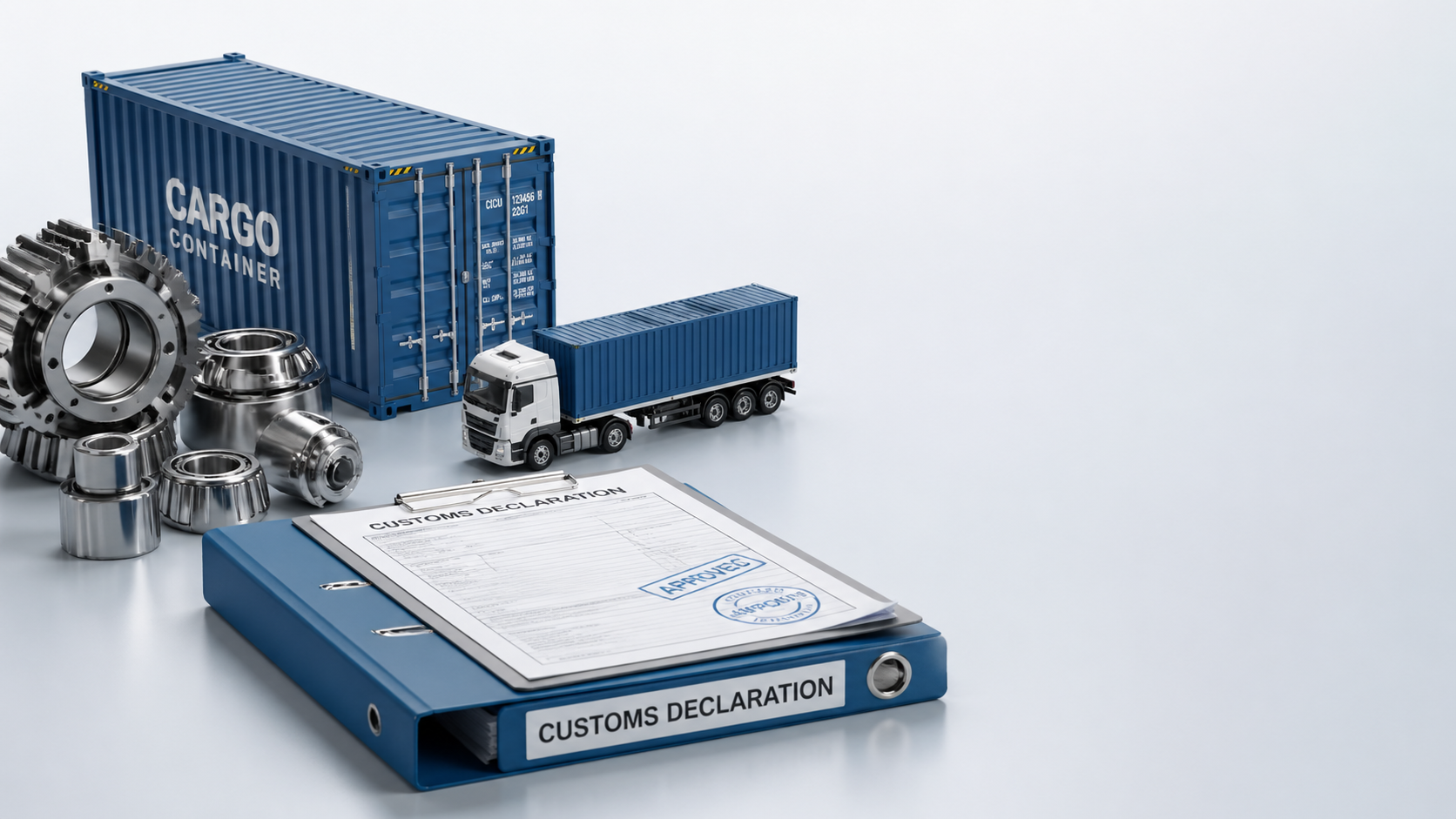
Not every policy shift or logistics headline should change your buying plan. In practice, only a small group of export trade developments have a direct impact on sourcing decisions: tariff changes that alter landed cost, customs rule updates that affect clearance, logistics disruptions that extend lead times, supplier-side compliance risks, and environmental or regulatory news that can interrupt production or market access. For buyers, operators, and business decision-makers, the key is not to react to every headline, but to identify which updates materially affect cost, delivery reliability, compliance, and supplier selection.
Which export trade updates actually deserve attention from sourcing teams?
If you are sourcing manufacturing equipment, industrial components, or electrical supplies, the most important question is simple: Will this update change total cost, delivery risk, supplier availability, or compliance exposure? If the answer is no, it is probably background noise rather than a sourcing trigger.
The export trade developments that usually matter most include:
- Tariff and duty adjustments that change landed cost or supplier competitiveness
- Customs documentation and origin rule changes that affect clearance speed and eligibility
- Shipping disruptions and freight volatility that directly influence lead time and inventory planning
- Export controls, sanctions, or restricted product rules that may block shipments or raise compliance risk
- Industrial environmental news that can lead to factory shutdowns, production limits, or certification pressure
- Energy, raw material, and labor cost shifts that feed into supplier quotations and price stability
- Supplier country risk including political, currency, infrastructure, and port-related uncertainty
By contrast, general trade rhetoric, vague policy announcements, and non-specific market optimism often have little immediate value unless they lead to a measurable operational change.
How do tariffs and customs rules change sourcing decisions in real terms?
For procurement professionals and managers, tariff updates matter because they can quickly reshape supplier economics. A supplier with the best unit price may no longer be the most competitive once new duties, anti-dumping measures, or origin-based rules are applied.
What buyers should assess:
- Landed cost impact: not just product price, but duty, brokerage, port charges, inland transport, and compliance costs
- Country-of-origin exposure: whether the product still qualifies for preferential treatment under trade agreements
- HS code risk: whether reclassification could increase duty or trigger additional review
- Documentation burden: certificates, declarations, testing records, and labeling requirements
A minor tariff increase may not require a supplier change if margins are strong and lead times are stable. But a customs rule update that creates repeated clearance delays can be more damaging than a visible duty increase. For many industrial buyers, reliability beats a small price advantage.
When should logistics headlines actually change your procurement plan?
Freight news is everywhere, but not every logistics event should trigger immediate action. The developments that matter are the ones that affect confirmed transit times, route stability, shipment frequency, or working inventory.
Useful logistics signals include:
- Persistent port congestion rather than short-term disruption
- Carrier capacity reductions on key export routes
- Container imbalance that delays loading schedules
- Rising insurance or security costs on specific lanes
- Customs backlog in major import or export hubs
For operators and planners, the real issue is whether the disruption exceeds your buffer. If your supplier lead time is 30 days and transport variability suddenly adds 15 to 20 days, that update matters. If it adds two days but your safety stock covers three weeks, it may not justify a sourcing shift.
In practical terms, logistics updates should lead to decisions such as:
- bringing forward purchase orders
- splitting shipments across routes
- adding regional backup suppliers
- revising minimum stock thresholds
- renegotiating delivery terms with suppliers
Why supplier-side compliance and industrial environmental news matter more than many buyers expect
For industrial sourcing, one overlooked risk is the effect of environmental enforcement, safety inspections, emissions limits, and energy-use restrictions on upstream manufacturers. These issues can directly reduce output, delay orders, or create sudden non-compliance risks for overseas buyers.
This is where industrial environmental news becomes relevant. It is not only about sustainability positioning. It can affect real sourcing outcomes in several ways:
- Factory operating restrictions: local environmental controls may limit production days or output volumes
- Certification pressure: buyers may need suppliers to meet updated environmental or safety standards
- Material substitution: restricted substances rules can change component specifications
- Export eligibility: some end markets require environmental declarations or traceability evidence
For procurement and management teams, this means supplier evaluation should include more than price and quality. A lower-cost supplier with poor environmental compliance or weak documentation can become a higher-cost supplier once delays, failed audits, or rejected shipments occur.
What are the clearest warning signs that a supplier may become a sourcing risk?
Not all risk comes from major policy changes. Often, the strongest warning signs appear in supplier behavior and operational data before a disruption becomes visible in headlines.
Key risk indicators include:
- frequent quotation revisions tied to unstable input costs
- longer response times on delivery commitments
- inconsistent export documentation
- repeated changes in subcontractors or material sources
- difficulty providing compliance records or test reports
- reduced transparency on capacity and production schedules
When several of these signals appear alongside export trade uncertainty, buyers should reassess sourcing concentration. A practical response may include dual sourcing, pilot orders with alternative suppliers, or contract terms linked to delivery and compliance performance.
How should buyers separate market noise from sourcing-relevant intelligence?
For information researchers and decision-makers, the best approach is to use a simple filter. An export trade update is sourcing-relevant if it affects at least one of the following:
- Total landed cost
- Lead time reliability
- Supplier continuity
- Import/export compliance
- Product specification or certification
If a headline does not change one of these five areas, it usually does not require immediate sourcing action.
This framework helps different reader groups in different ways:
- Information researchers can prioritize which export trade developments deserve deeper monitoring
- Operators can link trade news to shipment scheduling and inventory planning
- Purchasing teams can compare suppliers using cost-risk rather than price only
- Business leaders can decide when diversification or strategic supplier shifts are worth the investment
What should companies do when a trade update is confirmed to matter?
Once a development clearly affects sourcing, response speed matters. The goal is not panic switching, but controlled adjustment.
A practical action sequence looks like this:
- Quantify impact: estimate cost, lead time, compliance, and supply continuity effects
- Check supplier exposure: confirm location, production dependency, and documentation readiness
- Review alternatives: compare backup suppliers, alternate origins, or substitute specifications
- Adjust contracts or forecasts: revise order timing, Incoterms, price validity, and safety stock assumptions
- Monitor for persistence: confirm whether the issue is temporary or structural
For many industrial categories, the best sourcing decision is not always changing supplier immediately. Sometimes the smarter move is to keep the supplier but alter order cycles, shipment mode, or buffer inventory while monitoring the situation closely.
Conclusion
The export trade updates that actually affect sourcing decisions are the ones that change cost, delivery reliability, supplier risk, and compliance requirements. Tariffs, customs rules, logistics disruptions, export controls, and industrial environmental news all deserve close attention when they create measurable operational impact. Everything else should be treated carefully, but not overvalued.
For buyers, operators, and business leaders in manufacturing and industrial supply chains, the most effective approach is to filter every update through a practical sourcing lens: Does this affect landed cost, lead time, supplier continuity, regulatory compliance, or product acceptance? If yes, act. If not, monitor without overreacting. That discipline leads to better supplier choices, lower risk, and more resilient procurement decisions.

Industry Briefing
Get the top 5 industry headlines delivered to your inbox every morning.