
Stainless Steel Plate Basics: What Industrial Buyers Should Understand Before Comparing Grades, Finishes, and Supplier Offers

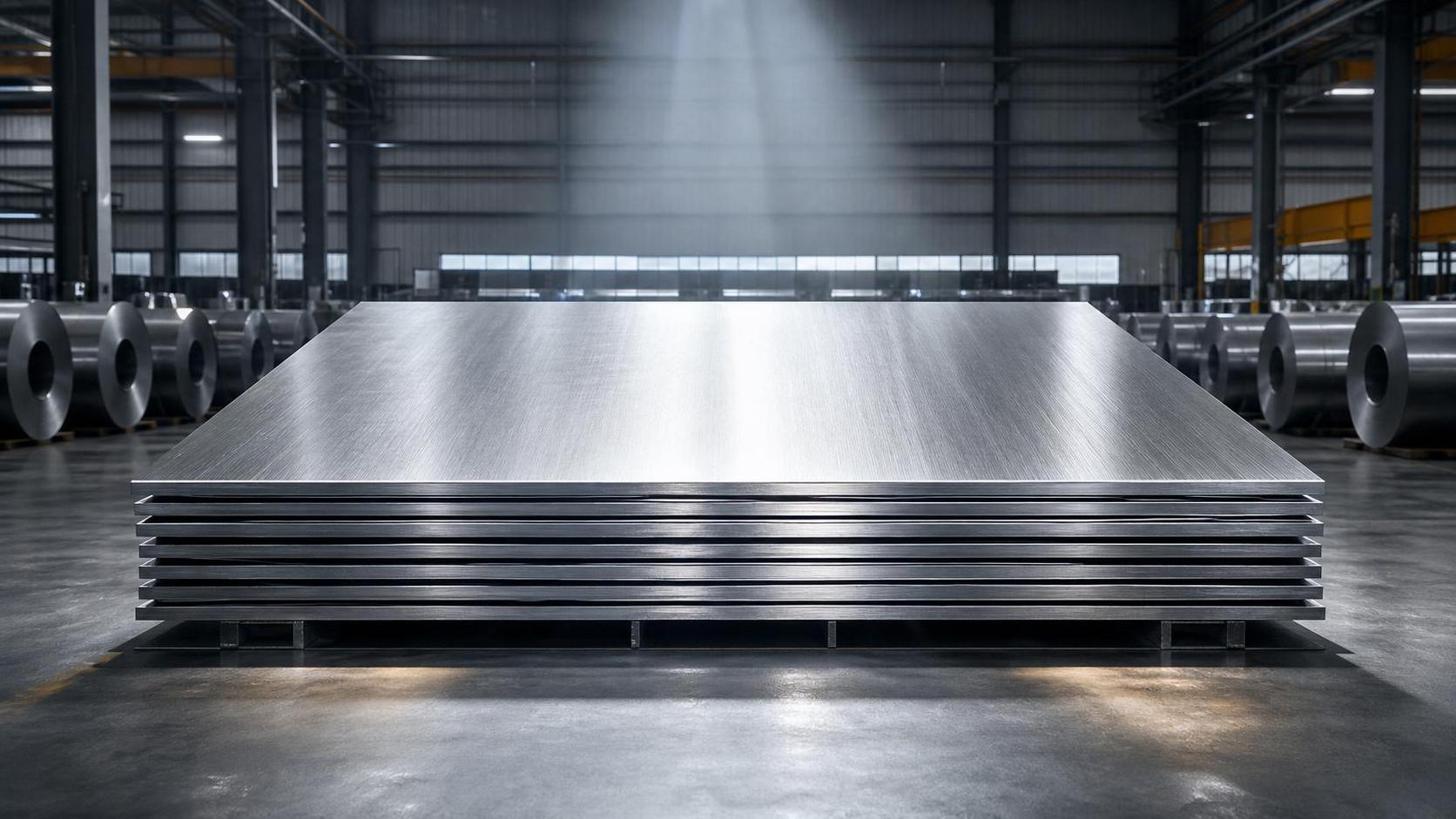
Stainless plate is often described in simple terms: corrosion-resistant steel supplied in flat form for fabrication, equipment, construction, and industrial use. In real purchasing work, however, Stainless Steel Plate decisions involve grade selection, thickness tolerance, surface finish, edge condition, inspection documents, cutting plans, and the environment where the material will be used.
This basic knowledge guide is written for buyers, distributors, fabrication teams, engineering departments, and project procurement staff who need a clearer foundation before comparing quotations. Stainless plate can serve many markets, including food equipment, chemical processing, building decoration, kitchen equipment, tanks, machinery, elevator panels, transport parts, and general industrial structures. Because those applications are different, the right material is not always the most expensive grade or the lowest-priced offer. A good decision begins with understanding what stainless plate is expected to do, how it will be processed, and what evidence the buyer needs from the supplier.
What Makes Stainless Plate Different from Ordinary Carbon Steel Plate?
The most important difference is corrosion behavior. Stainless steels contain alloying elements that help form a protective surface film. This film can reduce corrosion in many environments, especially compared with ordinary carbon steel. The exact level of protection depends on the grade, surface condition, temperature, chemicals, chlorides, cleaning method, and exposure time. Stainless steel should not be treated as a material that can resist every environment automatically. It is better understood as a family of materials with different performance levels.
Carbon steel plate is widely used for structural strength and cost efficiency, but it normally needs paint, coating, galvanizing, or other protection where corrosion is a concern. Stainless plate may reduce the need for some surface protection in suitable environments, while also providing a cleaner appearance and better long-term surface stability. This is why it is common in visible panels, hygienic equipment, process vessels, and components exposed to moisture or cleaning chemicals. Still, buyers must match the grade to the actual environment. A decorative indoor panel and a coastal outdoor component do not face the same corrosion challenge.
Another difference is fabrication behavior. Stainless steel can work-harden during processing and may require suitable tools, cutting settings, forming methods, and welding procedures. If a buyer only focuses on material price and ignores processing requirements, workshop costs can rise. Good sourcing connects material choice with downstream fabrication.
Common Grade Families and Buyer Logic
Stainless plate grades are often grouped by metallurgical family and market use. Austenitic stainless steels, such as 304 and 316 series materials, are widely used because they offer useful corrosion resistance and formability for many applications. Ferritic grades, such as some 400 series materials, may be selected for specific cost, magnetic, or thermal behavior. Martensitic grades are used where hardness and wear-related performance matter. Duplex stainless steels may be chosen when higher strength and certain corrosion resistance needs are involved.
For many general buyers, grade selection starts with the application. If the product will be used indoors in a clean, dry environment, the grade requirement may be different from a component exposed to salt, acid, high humidity, or frequent cleaning. If the plate will be welded, the buyer should consider weldability and whether a low-carbon version is needed. If the plate will be deeply formed, the forming behavior matters. If the plate will be polished, surface quality and defect control become more important.
Grade names can look familiar, but buyers should not rely on name recognition alone. A quotation should state the standard, grade, thickness, finish, size, tolerance, and document package. If a supplier proposes an equivalent grade, the buyer should review chemical composition, mechanical properties, and customer requirements before approval. Equivalent does not mean interchangeable in every process or market.
Thickness, Size, and Tolerance Basics
Plate thickness influences strength, weight, forming behavior, welding preparation, and cost. A buyer should specify nominal thickness and acceptable tolerance, not only a general description. Thickness tolerance affects fabrication fit-up and weight calculation. In some projects, a small difference may be acceptable; in others, it can affect performance or assembly. Width and length should also match cutting plans, handling equipment, and transport limits.
When stainless plate will be cut into smaller parts, buyers should think about nesting efficiency and edge trimming. A slightly different sheet or plate size may reduce waste depending on the final part pattern. Service centers and fabrication shops often care about flatness, surface protection, and edge condition because these factors affect machine setup and output quality. If the plate will be laser cut, plasma cut, waterjet cut, saw cut, or machined, the buyer should communicate this to the supplier.
Coil-derived sheets and plate products can have different supply characteristics. Buyers should ask whether the material is supplied as cut sheet, hot rolled plate, cold rolled sheet, or another form where relevant. The distinction can affect surface finish, thickness range, flatness, and downstream processing. Clear dimensional requirements prevent misunderstandings that may not be visible until the material arrives.
Surface Finish and Appearance Control
Surface finish is a major purchasing point for stainless plate. Industrial users may accept a basic hot rolled or cold rolled finish when appearance is not the main concern, while decorative, appliance, elevator, kitchen, or architectural applications may need stricter visual standards. Common finish terms include No.1, 2B, BA, No.4, hairline, mirror, and brushed finishes. The exact expectations should be defined by the buyer and confirmed by the supplier.
Photos can help during communication, but they should not replace a written finish requirement. Lighting, camera angle, and screen display can change how a surface appears. For repeat orders, retaining a reference sample may help control expectations. Buyers should also clarify whether protective film is required, which side needs protection, and whether the film is suitable for the expected storage time and processing route.
Surface defects can create different levels of concern depending on end use. A minor mark may be acceptable for a hidden industrial part but unacceptable for a visible panel. Scratches, dents, stains, oil marks, poor polishing, and uneven appearance should be discussed before shipment when possible. If the buyer's customer has strict visual requirements, the supplier should know this before production or order confirmation.
Fabrication: Cutting, Bending, Welding, and Polishing
Stainless plate often moves through several processing steps before it becomes a final product. Cutting method affects edge quality, heat-affected areas, and later finishing work. Bending requires suitable tooling and bend radius. Welding requires the right procedure, filler choice, shielding, cleaning, and post-weld treatment. Polishing requires surface consistency and careful handling to avoid visible defects. These fabrication realities should influence purchasing decisions.
If the plate will be welded, buyers should confirm whether the selected grade and thickness are suitable for the welding method. Some applications may require low-carbon grades or special attention to corrosion resistance near the weld area. If the plate will be formed, elongation and work-hardening behavior matter. If the plate will be polished, surface defects that were minor before processing can become more visible after finishing. The more demanding the final product, the more important it is to share processing details early.
Procurement teams should not treat fabrication as a separate problem handled after purchase. The supplier may be able to recommend a more suitable grade, finish, or packing method when the processing route is known. This can reduce scrap, rework, and delays in the workshop.
Documentation and Traceability for Stainless Plate Orders
Documentation gives buyers confidence that the delivered material matches the order. Common documents may include mill test certificate, quality certificate, packing list, commercial invoice, inspection photos, loading photos, labels, and heat or batch traceability. The certificate should align with the purchase order in grade, standard, size, quantity, and material identification. If the buyer plans to resell the material or use it in a project, document consistency becomes especially important.
Traceability is not only useful for large projects. Distributors and fabricators also benefit when each plate or bundle can be linked to a certificate and shipment record. If a customer asks a question later, the buyer can respond quickly. If a quality concern appears, traceability helps isolate the issue instead of questioning the entire shipment. Clear labeling and consistent documents reduce warehouse confusion.
Buyers should define document requirements before order confirmation. Waiting until after shipment to request special documents can lead to delays or incomplete records. For export orders, the buyer should also confirm shipping marks, packing details, certificate language, and any customer-specific paperwork needed at destination.
Common Misunderstandings Buyers Should Avoid
One common misunderstanding is that all stainless plate is equally corrosion resistant. In reality, grades vary significantly. Another misunderstanding is that stainless steel does not require careful storage. Poor storage can still lead to surface contamination, scratches, water stains, or handling damage. A third misunderstanding is that surface finish is only an appearance issue. In hygienic, decorative, or cleaning-sensitive applications, finish can affect function and customer acceptance.
Buyers should also avoid assuming that a lower price represents the same value. A cheaper offer may have different thickness tolerance, finish, grade source, packing, document package, or delivery condition. Conversely, a higher offer should still be reviewed carefully to confirm what extra value is included. The best purchasing decision is not simply high or low price; it is the offer that matches technical need, schedule, documentation, and risk level.
Another risk is over-specification. Some buyers choose a premium grade for every application because it feels safer. This can create unnecessary cost. The better approach is to match grade and finish to the real environment. Stainless plate sourcing becomes more efficient when buyers define the application clearly and then select material accordingly.
Basic Buyer Checklist
- Define the end use, exposure environment, fabrication route, and visible surface requirements.
- Confirm grade, standard, thickness, width, length, tolerance, finish, and quantity in writing.
- State whether equivalent grades are allowed and who must approve them.
- Clarify cutting, bending, welding, polishing, or machining requirements before placing the order.
- Request the document package needed for customs, resale, quality records, or project acceptance.
- Confirm packing, surface protection, labeling, bundle weight, and loading photos where order risk is significant.
- Review supplier communication quality, not only price.
- Keep records of accepted samples or previous shipments for repeat-order consistency.
FAQ
Is stainless plate completely rust-proof?
No. Stainless steel can resist corrosion in many environments, but it is not immune to all corrosion. Grade, surface condition, chemicals, chlorides, temperature, cleaning method, and storage conditions all affect performance.
Which stainless grade should a buyer choose?
The correct grade depends on the environment, fabrication process, mechanical requirement, surface expectation, and customer specification. Buyers should avoid choosing only by habit or price and should confirm suitability for the actual application.
Why does surface finish matter?
Surface finish affects appearance, cleanability, polishing result, and customer acceptance. Decorative and hygienic applications usually require more careful finish control than hidden industrial parts.
What documents should be requested?
Common documents include mill test certificate, quality certificate, packing list, invoice, labels, inspection photos, and loading photos. Project orders may require additional traceability or customer-specific documents.
How can buyers compare suppliers more fairly?
Buyers should compare offers using the same grade, finish, dimensions, tolerance, packing, document, and delivery requirements. If the scope is different, the price comparison may be misleading.
Editorial Review Note
This article is buyer-facing basic knowledge guidance for stainless steel plate sourcing. It avoids fabricated prices, unsupported statistics, invented project cases, false certifications, and guaranteed performance claims.


Industry Briefing
Get the top 5 industry headlines delivered to your inbox every morning.