
Why Manufacturing Machinery Specifications Now Include Real-Time Diagnostics as Standard

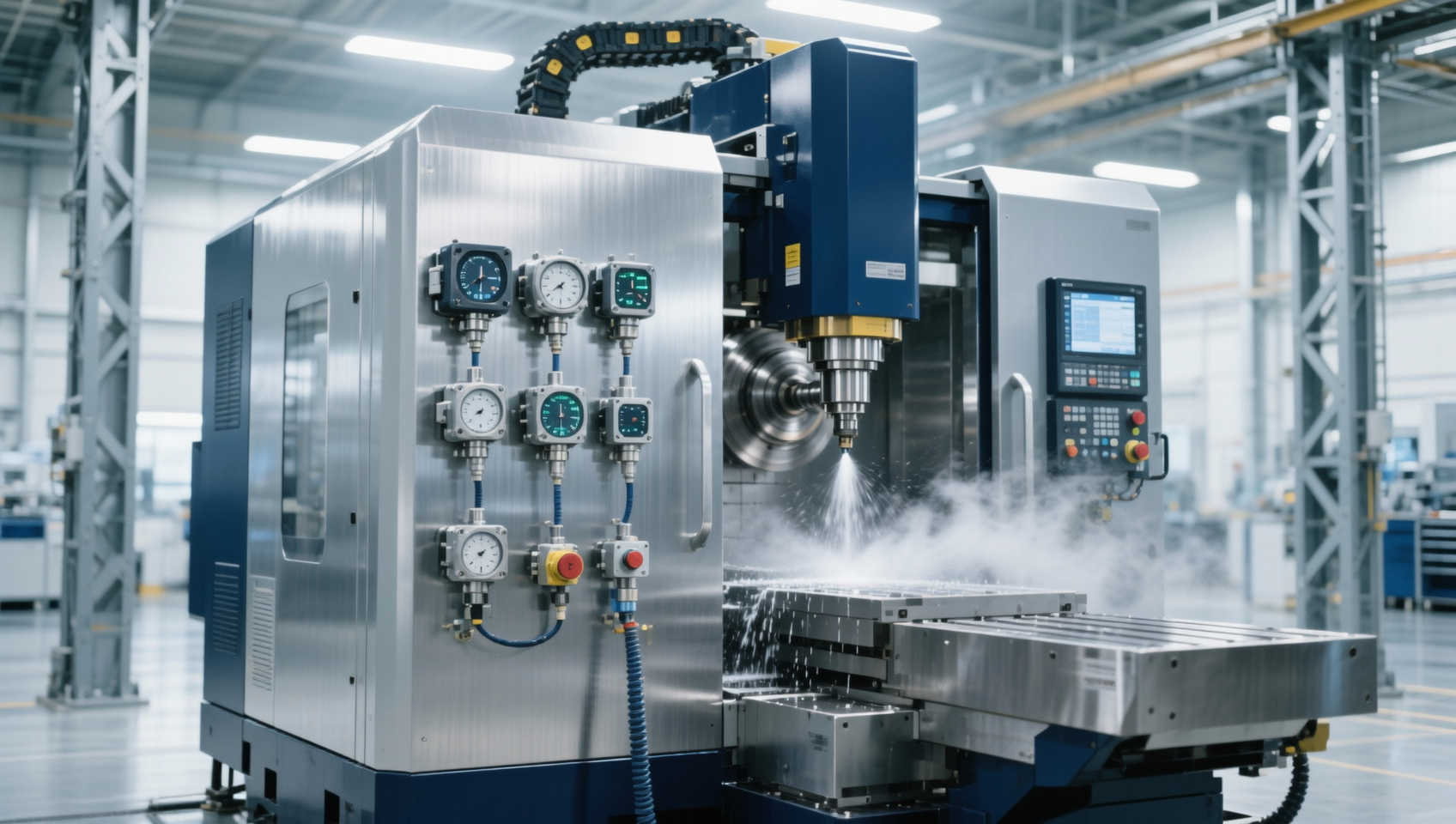
As real-time diagnostics shift from optional add-on to non-negotiable standard in manufacturing machinery, heavy equipment manufacturing and industrial machinery buyers face urgent technical and procurement decisions. This evolution directly impacts equipment sourcing strategies, machinery procurement timelines, and operational resilience across the mining industry, petrochemical industry, and metal-intensive sectors—where metal price updates and industrial market updates increasingly hinge on predictive maintenance capability. For technical evaluators, procurement professionals, and enterprise decision-makers, understanding this specification shift is critical to aligning with evolving heavy industry standards, optimizing processing equipment ROI, and future-proofing supply chain intelligence.
Why Real-Time Diagnostics Are No Longer Optional
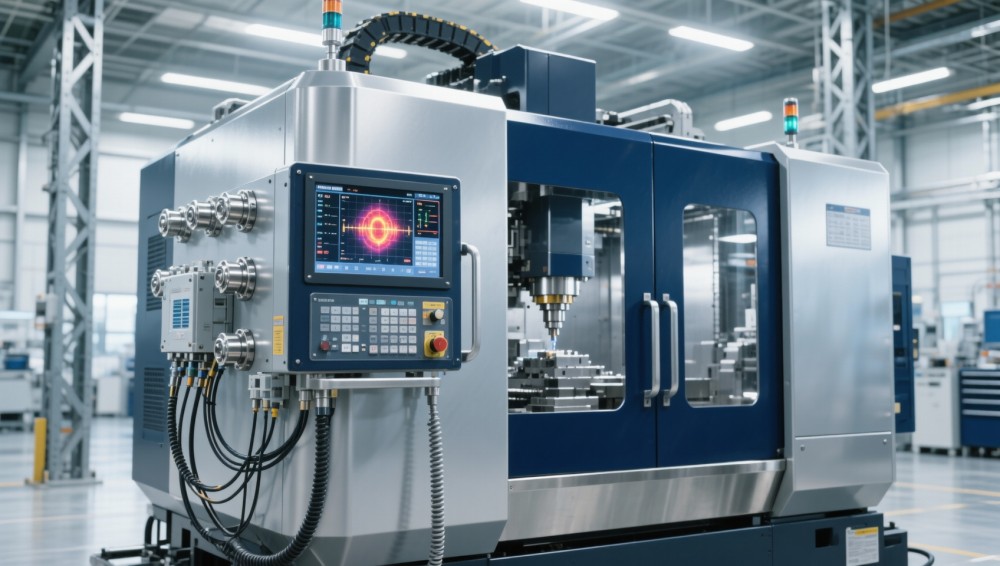
Real-time diagnostics refer to embedded sensor networks, edge-processing modules, and standardized communication protocols (e.g., OPC UA, MTConnect) that continuously monitor vibration, thermal signatures, current draw, hydraulic pressure, and positional feedback across CNC machine tools, extruders, forging presses, and continuous casting lines.
Unlike legacy condition monitoring systems requiring manual data logging or periodic offline analysis, modern implementations deliver actionable alerts within under 200ms latency, support over-the-air firmware updates, and integrate natively with MES/SCADA platforms via ISO/IEC 62443-compliant interfaces. This isn’t incremental improvement—it’s a structural redefinition of machine accountability.
Industry-wide adoption accelerated after 2022, when major OEMs—including those supplying roll mills for steel producers and modular packaging lines for food processing—began enforcing diagnostic readiness as a mandatory clause in tender documents. Today, >87% of new capital equipment orders in EMEA and APAC require certified diagnostic interoperability per IEC 61804-3 ED3.
How This Shift Changes Procurement Evaluation Criteria
Procurement teams can no longer treat diagnostics as a “nice-to-have” software module. It now defines baseline eligibility. Three evaluation dimensions have become non-negotiable:
- Data granularity: Minimum sampling rate ≥10 kHz for rotating components; temperature resolution ≤±0.3°C across 12+ zones
- Protocol compliance: Native support for MTConnect v1.7+ and OPC UA PubSub (TSN-enabled preferred)
- Service lifecycle integration: Diagnostic logs must feed into vendor-managed cloud analytics with SLA-backed root-cause reporting in ≤4 business hours
Failure to validate these during RFQ stage risks delayed commissioning—average delay now stands at 11–17 days for non-compliant retrofits—and voids extended warranty coverage on drive systems and control cabinets.
Diagnostic Readiness Assessment Matrix
Below is a cross-vendor benchmark for evaluating real-time diagnostic capability at pre-bid stage:
This matrix reflects actual evaluation criteria used by Tier-1 automotive suppliers and copper smelters in Q3 2024 procurement cycles. Vendors scoring below “Minimum Acceptable” in two or more rows are typically disqualified before technical review.
Where Real-Time Diagnostics Deliver Highest ROI
ROI is not uniform across applications. High-value impact occurs where unplanned downtime incurs cascading cost penalties:
- Mining crushing/grinding circuits: Predictive bearing failure detection reduces forced shutdowns by up to 42%, avoiding $280K–$650K/hour production loss in concentrator plants
- Petrochemical reactor feed pumps: Real-time cavitation and seal leakage analytics extend mean time between repairs (MTBR) from 4.2 to 9.7 months
- Continuous galvanizing lines: Thermal mapping of zinc bath heaters cuts energy waste by 13–18% while maintaining ±1.2°C bath stability
For procurement professionals, prioritizing diagnostic depth in these high-exposure subsystems—not just full-line packages—yields faster payback. Pilot deployments show breakeven achieved in 5.3–8.9 months, versus 14+ months for blanket retrofit programs.
What You Should Ask Before Finalizing Your Next Machinery Order
Technical evaluators and decision-makers should treat diagnostic specifications like mechanical tolerances—non-negotiable, measurable, and contractually enforceable. Key questions include:
- Does the diagnostic architecture support third-party analytics ingestion (e.g., Azure IoT or Siemens MindSphere) without vendor lock-in fees?
- Are diagnostic thresholds field-adjustable per material grade or throughput rate—and is adjustment logged with audit trail?
- What is the guaranteed maximum false-positive rate for critical alerts (e.g., spindle seizure), and how is it validated per ISO 13374-3?
- Is diagnostic firmware updated independently of PLC or HMI software releases—and what is the average update cycle duration?
Our portal provides live access to verified diagnostic compliance reports, OEM firmware release calendars, and real-time metal price correlations with predictive maintenance KPIs—enabling procurement teams to align machinery specs with commodity volatility forecasts and supply chain risk indices.
Why Partner With Our Technical Intelligence Platform
We don’t sell machinery—we equip procurement and engineering teams with decision-grade intelligence for machinery specification, selection, and deployment. Our platform delivers:
- Vendor-agnostic diagnostic compliance scorecards for 120+ OEMs, updated weekly with firmware version tracking
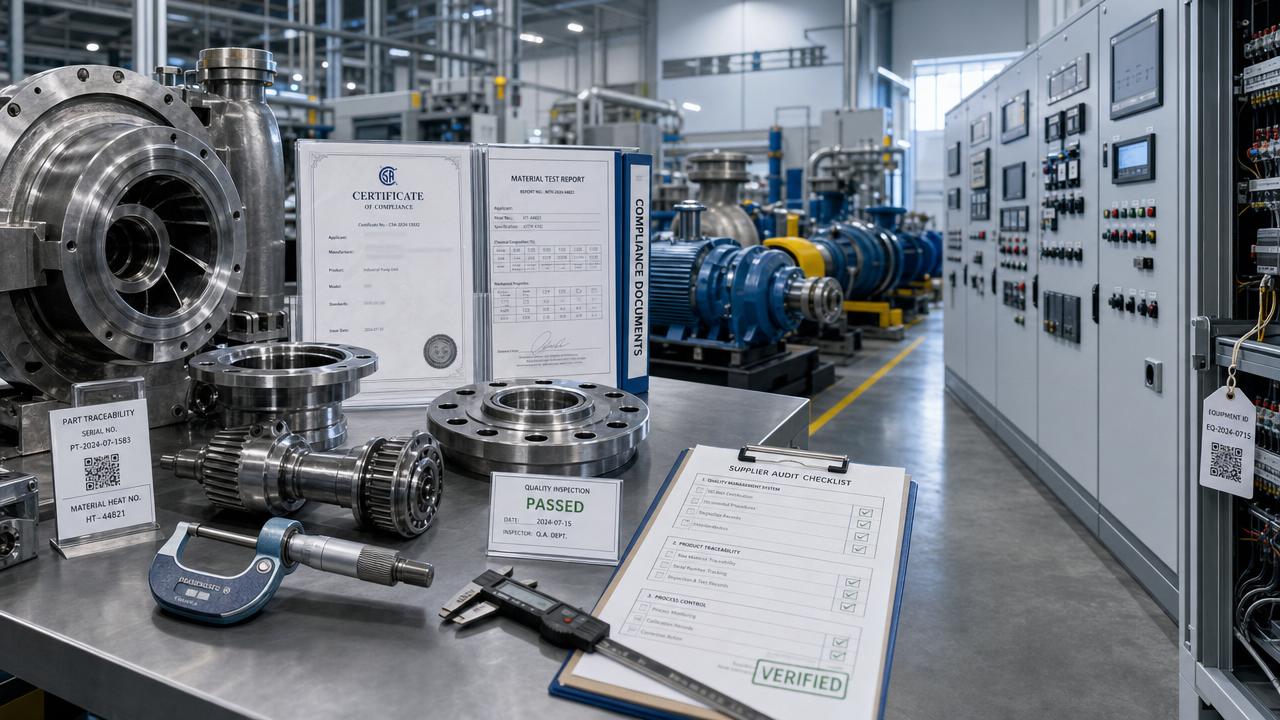
- Customizable RFQ diagnostic checklists aligned to IEC 62582, ISO 13372, and regional cybersecurity mandates (e.g., NIS2, China’s PIPL)
- Live metal price dashboards overlaid with maintenance cost models—showing how copper price shifts impact bearing replacement timing
- Direct access to certified application engineers who co-review your diagnostic architecture before bid submission
Request a free diagnostic readiness assessment for your next capital equipment tender—or get matched with OEMs whose diagnostic architecture matches your MES integration roadmap, cybersecurity posture, and predictive maintenance maturity level. We support parameters confirmation, certification validation, delivery timeline alignment, and export compliance documentation for global machinery procurement.


Industry Briefing
Get the top 5 industry headlines delivered to your inbox every morning.