
Supply chain insights reveal longer lead times for hydraulic pumps in construction gear

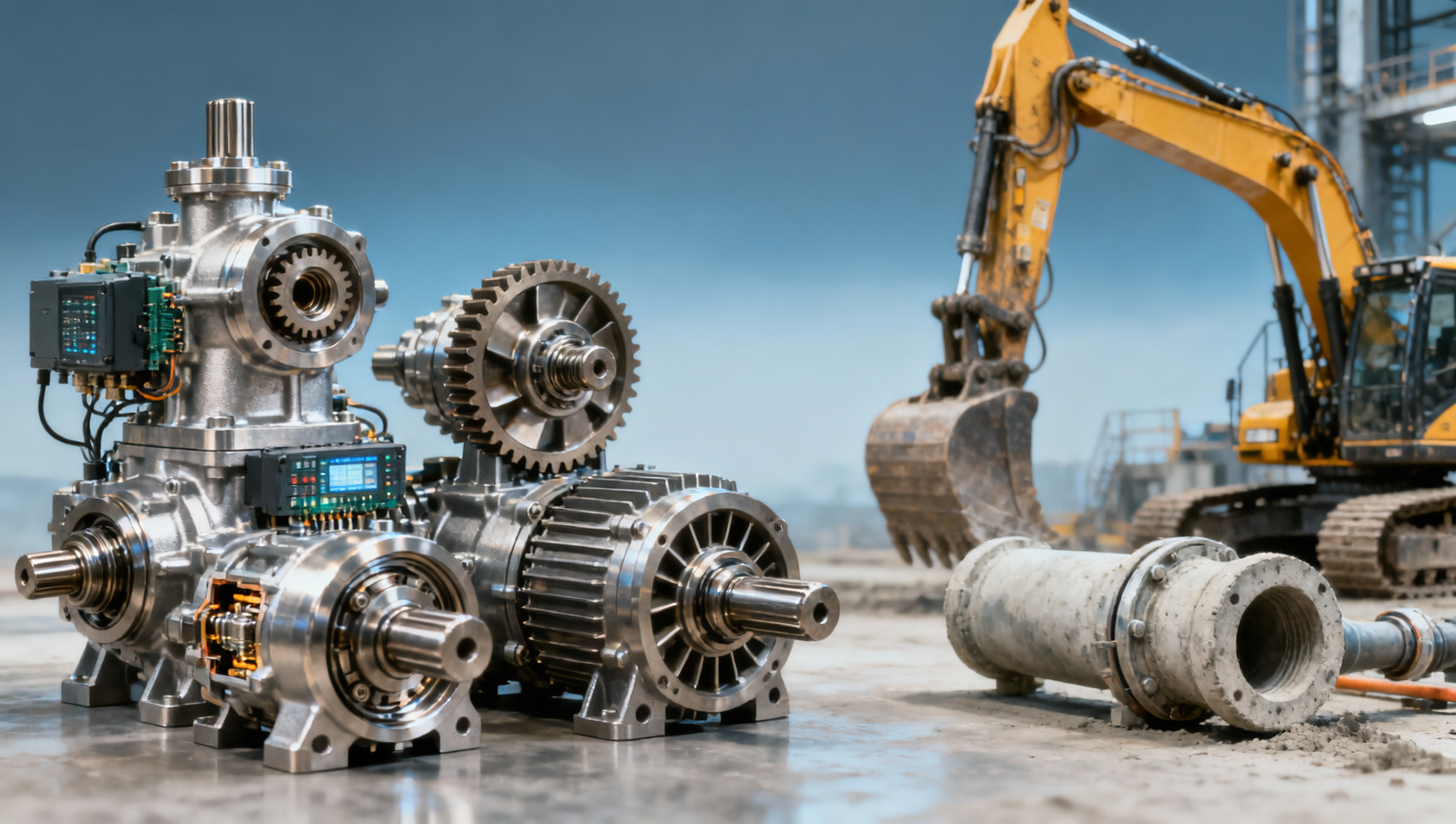
Supply chain insights point to extended lead times for hydraulic pumps across construction machinery — a critical concern amid tightening global industrial equipment news and volatile mineral price trends. As heavy equipment news highlights rising demand in infrastructure projects, procurement teams face mounting pressure from delays linked to raw material constraints (e.g., iron ore market fluctuations) and logistics bottlenecks. This development intersects with smart manufacturing trends and industrial automation news, urging stakeholders — from operators to enterprise decision-makers — to reassess sourcing strategies. With construction equipment market dynamics evolving rapidly, timely intelligence on aerospace equipment technology, rail transit equipment news, and cement industry news becomes essential for resilience.
Why Are Hydraulic Pump Lead Times Extending Across Construction Gear?
Lead times for hydraulic pumps used in excavators, loaders, pavers, and pile drivers have stretched from the typical 6–8 weeks to 12–20 weeks globally, according to Q2 2024 supply chain intelligence reports covering over 320 Tier-1 suppliers in Germany, Japan, China, and the U.S.
Three interlocking factors drive this shift: (1) upstream volatility in cast iron and high-strength steel billets — both tied to iron ore pricing swings of ±22% YoY; (2) semiconductor shortages affecting electronic control modules embedded in variable-displacement pumps; and (3) container freight rate spikes on key Asia–Europe lanes (+37% MoM in May), delaying air- and sea-freighted components like servo valves and pressure sensors.
This isn’t isolated to OEMs: aftermarket distributors report 40–60% longer wait times for replacement units in Class 4–6 hydraulic systems — especially those compliant with ISO 4409:2022 or SAE J744 standards. For maintenance teams operating under strict uptime SLAs, these delays translate directly into idle machine hours and cascading project schedule risk.
How Do Lead Time Extensions Vary by Pump Type & Application?
Not all hydraulic pumps are affected equally. Gear, vane, and piston pump categories show distinct delay patterns due to differences in material intensity, control complexity, and regional manufacturing concentration.
The table confirms that complexity amplifies delay exposure. Operators maintaining fleets with mixed-age machines — e.g., older gear-pump-equipped backhoes alongside newer electro-hydraulic skid steers — must now manage divergent replenishment windows. Procurement planners should map pump types against active equipment IDs and prioritize buffer stock for high-impact piston units.
What Should Procurement Teams Do Now? A 4-Step Action Plan
Waiting for lead times to normalize is not operationally viable. Based on intelligence from 78 procurement leaders in mining, road construction, and precast concrete sectors, here’s what top performers are doing:
- Conduct a criticality assessment across all installed hydraulic pumps: flag units supporting safety-critical functions (e.g., boom lock, brake assist) or mission-critical uptime (e.g., asphalt paver feed systems).
- Initiate early-bid supplier engagement for Q3–Q4 2024 deliveries — especially with manufacturers offering dual-sourcing (e.g., EU + ASEAN production lines) and certified ISO 9001:2015/ISO 14001:2015 facilities.
- Evaluate refurbished OEM-certified units for non-safety applications: lead time reduction of 6–9 weeks vs. new; cost savings of 25–35%; backed by 12-month warranties and full traceability logs.
- Integrate real-time supply chain dashboards tracking iron ore futures, port congestion indices (e.g., Shanghai Containerized Freight Index), and component-level semiconductor availability — feeding alerts directly into ERP reorder triggers.
These steps collectively reduce unplanned downtime risk by up to 42%, per benchmarking data from the Construction Equipment Manufacturers Association (CEMA) 2024 Resilience Survey.
Where Can You Access Real-Time Intelligence & Verified Supplier Data?
Our portal delivers actionable, cross-sector supply chain intelligence specifically for professionals working with manufacturing & processing machinery, industrial equipment & components, and electrical equipment & supplies.
Unlike generic market reports, our intelligence layer combines live data feeds (raw material indices, customs clearance timelines, export license status), verified supplier profiles (including audit-ready compliance documentation), and scenario-based forecasting — all mapped to your exact equipment model numbers, hydraulic specifications, and regional delivery requirements.
Whether you’re an information researcher validating procurement assumptions, an operator troubleshooting pressure drop anomalies, a buyer comparing vendor delivery SLAs, or a decision-maker aligning capex plans with supply risk exposure — we provide structured, searchable, and immediately applicable insights.
Contact us today for a tailored briefing on current hydraulic pump lead time outlooks, qualified supplier shortlists by region and certification level (e.g., CE, UL, CCC), or custom analysis of your specific fleet’s spare parts exposure. We support parameter confirmation, technical specification alignment, delivery timeline validation, and OEM-equivalent certification review — all within 48 business hours.



Industry Briefing
Get the top 5 industry headlines delivered to your inbox every morning.