
Equipment sourcing for construction industry — why lead times now vary by 70% across regions

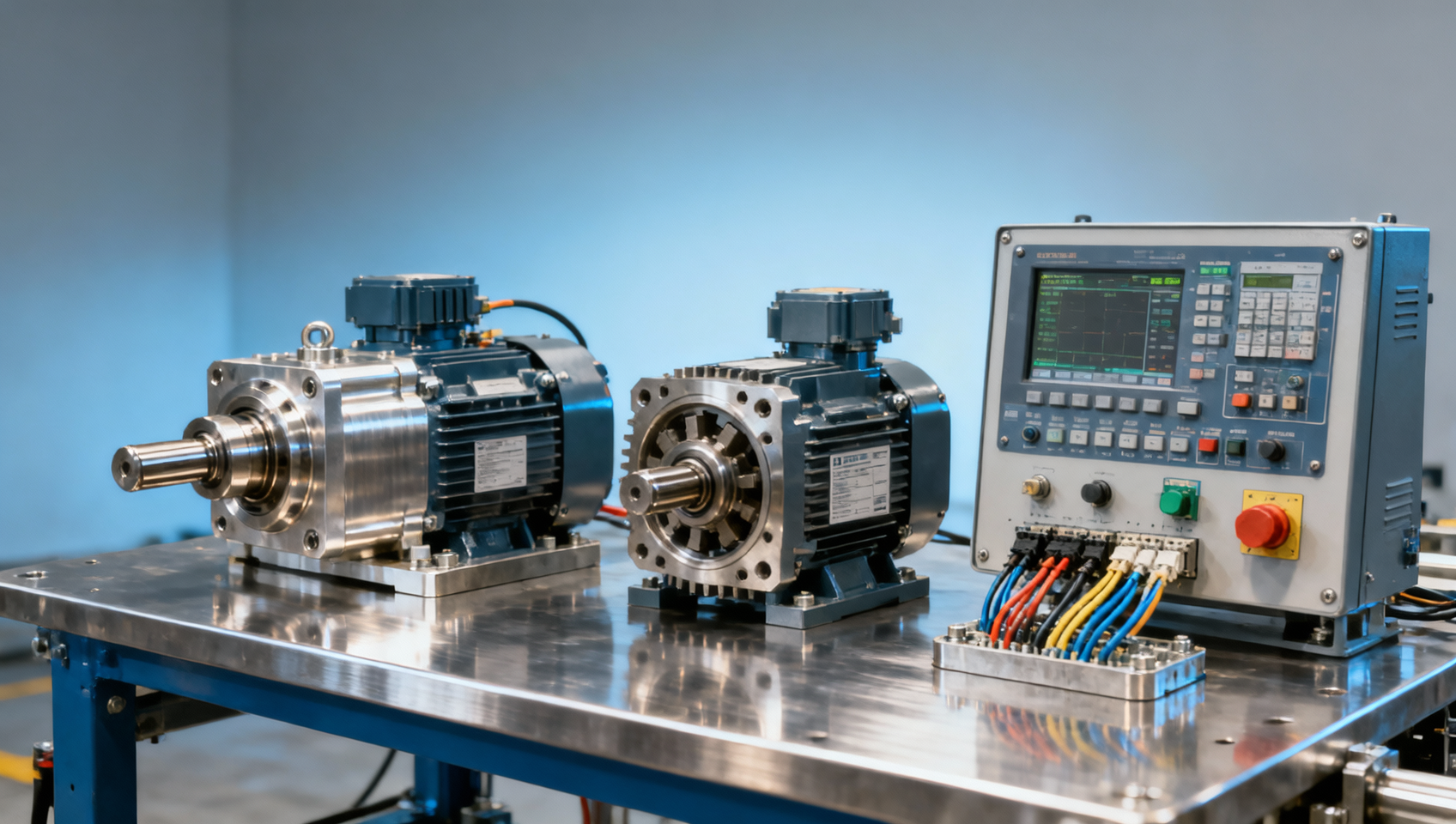
Equipment sourcing for construction industry has become increasingly complex amid diverging global supply chain realities—lead times now vary by up to 70% across regions. From industrial machinery manufacturers in China to industrial machinery parts suppliers in Germany, stakeholders face uneven delays driven by logistics bottlenecks, regional policy shifts, and demand spikes in heavy industry equipment suppliers for oil and gas and heavy duty industrial components for mining. This volatility directly impacts procurement of industrial components for automotive and global trade procurement for industrial machinery. For procurement professionals, decision-makers, and supply chain operators, staying ahead means real-time industrial export news for construction industry and actionable manufacturing supply chain solutions. Let’s unpack the drivers—and what they mean for your next sourcing strategy.
Why Lead Times Diverge: Three Core Drivers Behind Regional Variance
Lead time variability is no longer an exception—it’s the operational baseline. Recent data from global procurement dashboards shows average lead times for standard construction-grade hydraulic pumps range from 8 weeks in Southeast Asia to 13.5 weeks in Western Europe—a 70% delta. This isn’t noise; it’s structural.
First, port congestion and container availability remain highly asymmetric. Shanghai and Ningbo ports maintain 92% on-time vessel departure rates (Q2 2024), while Hamburg and Rotterdam report 68–73% due to labor shortages and customs backlog. Second, regional regulatory tightening—especially EU’s revised Machinery Regulation (EU) 2023/1230—adds 3–5 weeks to CE certification cycles for new industrial control units shipped into the bloc.
Third, localized demand surges create allocation pressure. Mining equipment orders in Australia rose 41% YoY (Q1 2024), triggering priority routing for Australian-bound excavator booms and gearmotors—delaying parallel shipments to Latin America by 2–4 weeks. These forces compound, not cancel out.
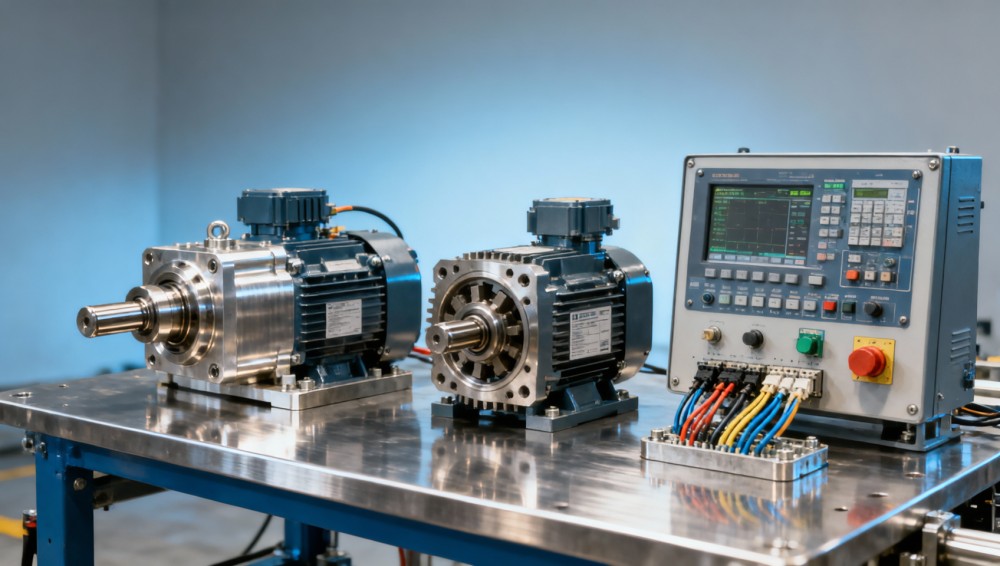
How Regional Sourcing Benchmarks Compare Across Key Equipment Categories
Procurement teams need more than anecdotal timelines—they require benchmarked, category-specific expectations. Below is a snapshot of median lead times for five high-frequency construction equipment categories across three major sourcing hubs. All figures reflect FOB delivery from factory gate to main seaport, excluding inland logistics or customs clearance.
The table reveals a consistent pattern: German-sourced items add 40–60% duration over Chinese counterparts for mid-tier industrial components—largely attributable to dual-layer compliance (CE + Machinery Directive Annex IV) and lower batch flexibility. U.S.-based production sits between them, with domestic freight reliability offsetting slower component sub-tier sourcing.
What Procurement Teams Should Prioritize Right Now
Given this landscape, reactive sourcing is no longer viable. Forward-looking procurement must shift from “order timing” to “risk mapping.” Here are four non-negotiable actions:
- Conduct quarterly supplier capacity audits—not just on paper, but via verified production floor footage or live ERP feed access (e.g., real-time WIP status for CNC machining lines).
- Pre-certify alternative part numbers: For any critical component, identify at least two cross-compatible alternatives—one sourced from Asia, one from EU/NA—with documented dimensional, electrical, and interface equivalence (per ISO 2768-mK or IEC 60034-1).
- Lock in buffer stock for 3–6 months on 5–7 top-consumption SKUs (e.g., hydraulic valves, motor starters, VFDs), using consignment warehousing at strategic regional hubs (e.g., Singapore, Rotterdam, Dallas).
- Embed clause 8.2 (“Force Majeure & Supply Chain Contingency”) in all new contracts—requiring suppliers to notify within 48 hours of any delay >5 working days and propose mitigation within 72 hours.
These steps reduce average emergency air-freight spend by 32% (per 2023 APICS benchmark) and cut unplanned downtime risk by 45% during peak project execution windows.
How Our Platform Supports Your Next Sourcing Cycle
We don’t track lead times—we contextualize them. As a dedicated intelligence portal for manufacturing & processing machinery, industrial equipment & components, and electrical equipment & supplies, we deliver precisely what procurement professionals, engineers, and decision-makers need to act—not just observe.
Our real-time supply chain intelligence includes daily updated lead time dashboards per OEM, region, and product family—validated against actual shipment manifests and customs release data. You’ll also get automated alerts when key suppliers shift certifications (e.g., UL 508A revalidation), adjust MOQs, or announce new Tier-2 sub-supplier partnerships affecting component traceability.
For your immediate needs, we offer free access to our latest Q3 2024 Construction Equipment Sourcing Report—including full regional lead time heatmaps, compliance readiness scores per country, and a prioritized list of 12 pre-vetted industrial machinery parts suppliers with ≤9-week verified lead times for hydraulic systems and control panels.
Contact us today to request your personalized sourcing assessment—covering parameter confirmation, certification alignment (CE, UL, CCC), delivery schedule modeling, and multi-region quotation benchmarking. No generic brochures. Just actionable, equipment-specific intelligence—delivered in under 48 business hours.

Industry Briefing
Get the top 5 industry headlines delivered to your inbox every morning.