
Chemical Industry Waste Risks You Should Watch

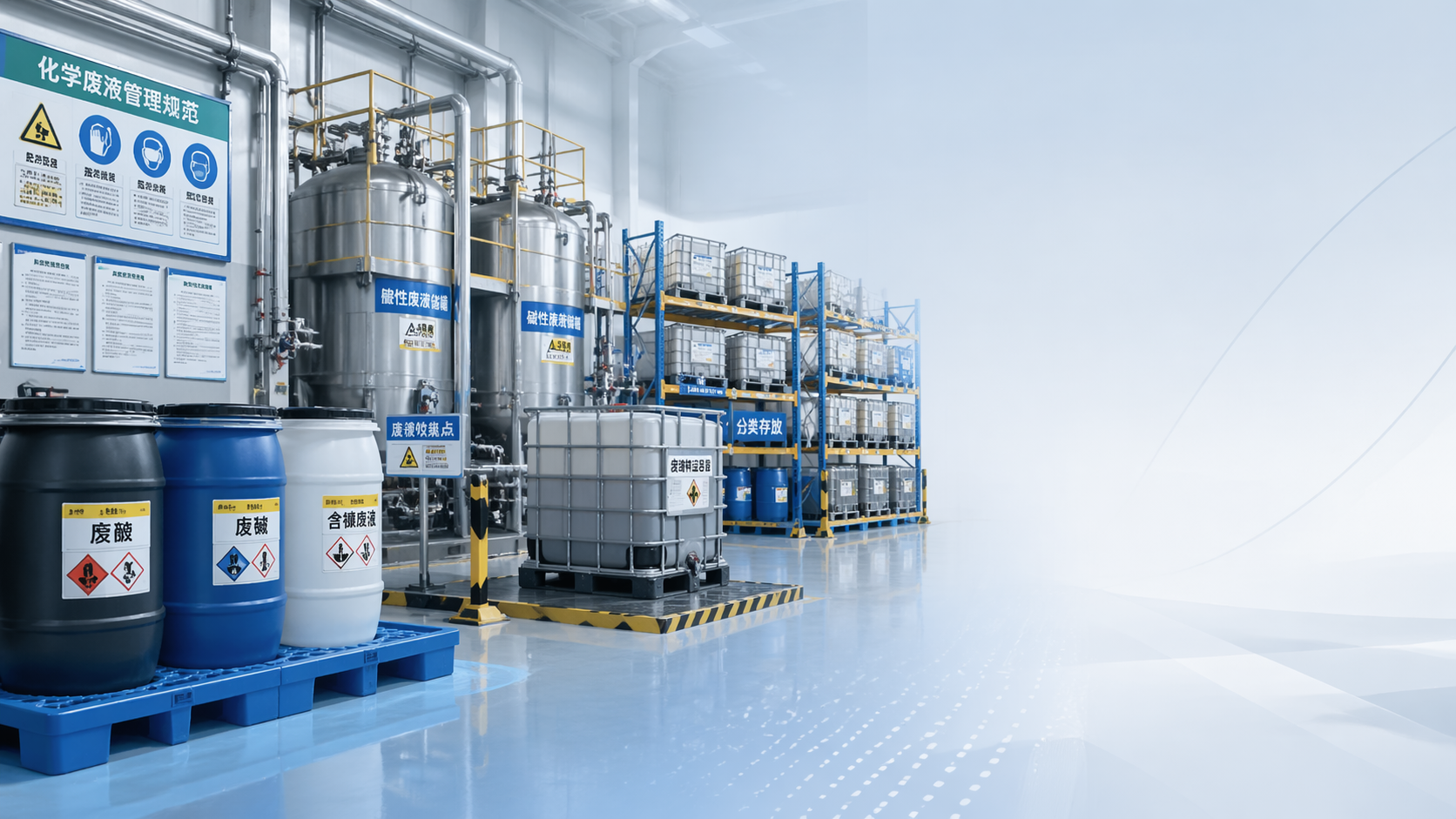
Chemical industry waste risks are rising alongside tighter compliance demands, making industrial environmental news for waste management and industrial environmental news for chemical industry essential for decision-makers. This article tracks key hazards, disposal challenges, and control trends while linking them to latest export trade policy and global supply chain updates for industrial machinery exporters to help buyers, operators, and executives respond proactively.
For manufacturers, equipment users, sourcing teams, and senior managers, chemical waste is no longer a narrow EHS issue. It now affects plant uptime, export documentation, supplier qualification, insurance costs, and the long-term reliability of production networks. A delayed waste pickup by 48 hours, a mislabeled drum, or an incompatible storage area can quickly trigger production interruption, compliance exposure, or shipment delays across multiple industrial sectors.
In machinery, components, and electrical equipment supply chains, the problem is especially practical. Surface treatment sludge, spent solvents, contaminated packaging, acids, alkalis, oils, and reactive by-products often move through shared logistics systems and contract disposal channels. Buyers increasingly ask not only what a supplier produces, but also how waste is segregated, stored, traced, and removed within 7–30 day operating cycles.
Where Chemical Waste Risks Start in Industrial Operations
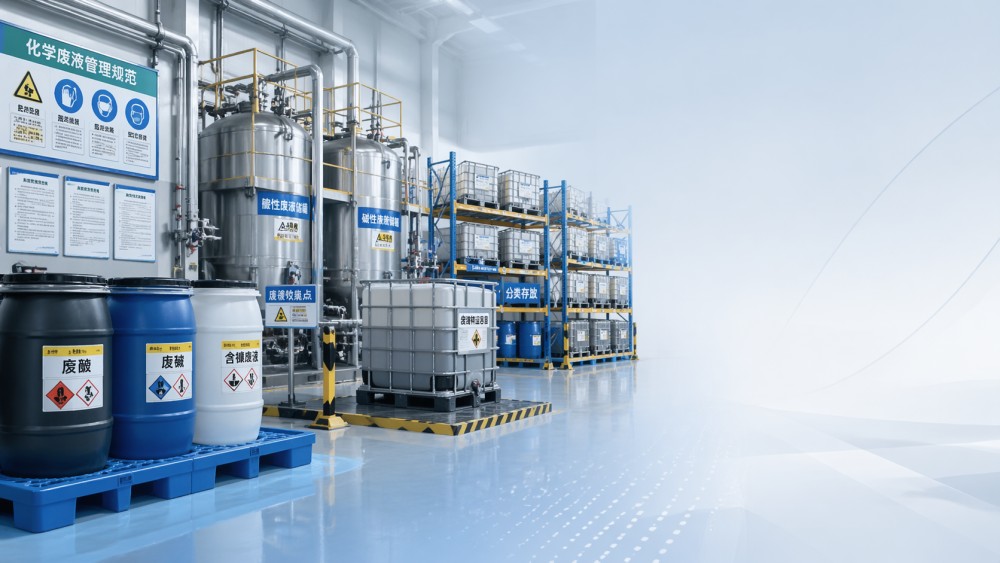
Chemical waste risk usually begins upstream, long before final disposal. In industrial production, common risk points appear during raw material unloading, mixing, surface finishing, cleaning, maintenance, and packaging. Even facilities that do not define themselves as “chemical plants” may generate hazardous streams through degreasing, electroplating support, resin use, coating lines, battery-related processes, or wastewater treatment steps.
Operators should pay close attention to cross-contamination. A waste solvent drum mixed with oxidizers, acidic rinse water stored near cyanide-bearing residues, or oily absorbents placed in ordinary waste bins can create fire, gas release, or regulatory violations. In many facilities, the most serious incidents come not from volume, but from incompatible storage over a period of 24–72 hours.
Procurement teams also need to understand process-linked waste generation. A lower-cost chemical input can increase disposal cost by 15%–30% if it shortens bath life, raises sludge volume, or requires special transport classification. This is why total cost of ownership should include treatment, storage, secondary containment, and documentation, not only purchase price.
For decision-makers, another hidden source of risk is fragmented responsibility. Production, maintenance, warehouse, and EHS teams may each control one part of the waste chain, but no one owns the full process from generation to off-site transfer. Without a single accountability structure, errors in labeling, container condition, and manifest matching tend to increase after staff rotation or peak output periods.
High-risk waste categories seen across mixed industrial sites
Across machinery and electrical equipment supply chains, the most watched categories typically include flammable liquids, corrosive residues, toxic sludge, contaminated rags and filters, heavy-metal-bearing wastewater solids, and expired chemical inventory. These streams require different storage times, packaging formats, and transport controls. A site handling 6–10 categories usually needs stricter segregation than one handling only 2–3 streams.
Typical root causes
- Inadequate labeling, especially when drums are relabeled manually during shift changes.
- Mixed storage of incompatible materials within less than 3 meters of separation or without physical barriers.
- Waste accumulation beyond normal pickup intervals, often stretching from 7 days to 21 days during logistics disruption.
- Supplier changes that alter chemical composition but do not update waste handling instructions.
- Low visibility between production planning and disposal contractor scheduling.
The table below maps common waste sources to operational concerns that matter to users and buyers managing industrial equipment environments.
The key takeaway is that waste risk follows process design. Sites that review chemical inputs, maintenance practices, and storage discipline every quarter usually detect problems earlier than sites that review only after an incident or regulatory inspection.
Why Disposal and Storage Fail Under Real Supply Chain Conditions
Even when companies understand hazard categories, disposal systems often fail because operating conditions change faster than procedures. Export surges, container shortages, weather disruption, or contractor capacity limits can stretch a normal 7-day waste removal rhythm to 14 or even 28 days. When temporary storage areas are not designed for this extension, compliance and safety pressure builds quickly.
This matters to industrial machinery exporters because chemical waste management affects outbound reliability. If a plant cannot clear waste from production lines, preventive maintenance may be delayed, floor space may be blocked, and inspection findings may hold back customer audits. A single disposal bottleneck can reduce effective production efficiency by 5%–12% in tightly scheduled operations.
Another disposal challenge is documentation inconsistency across regions and service providers. Waste manifests, safety labels, container counts, and transport declarations must align. Problems often appear when one service contractor uses one coding format and the receiving treatment facility uses another. This creates mismatch risk during handover, especially for mixed loads from multi-process factories.
For procurement managers, this means supplier audits should include disposal resilience, not just certificate collection. Ask how many licensed channels the supplier uses, what backup plan applies if the primary contractor misses pickup, and how long waste can be stored safely on site. A practical answer should mention storage duration, container types, and escalation timelines within 24 hours, 72 hours, and 7 days.
Storage control points that reduce incident probability
- Use separate zones for flammable, corrosive, and reactive waste rather than mixed “temporary” holding space.
- Check container integrity at least once per shift in high-volume areas and at least once every 24 hours in low-volume areas.
- Maintain secondary containment sized for common spill scenarios, especially for drums and IBCs awaiting pickup.
- Set quantity triggers that prompt disposal booking before the storage area reaches 80% of planned capacity.
- Match labeling, internal logs, and shipping documents at every transfer point to avoid downstream rejection.
The table below shows a practical way to evaluate disposal readiness under common industrial operating pressures.
These controls are not only environmental safeguards. They also protect production continuity, supplier credibility, and buyer confidence in cross-border industrial business.
How Export Policy and Global Logistics Change Waste Risk Exposure
Chemical waste risk is increasingly shaped by trade policy and logistics volatility. When export rules tighten on hazardous materials, chemical ingredients, batteries, coatings, or treatment residues, manufacturers often adjust formulations, sourcing origins, and warehouse practices. Each adjustment can change waste classification, packaging needs, and disposal frequency without changing the finished product category seen by end buyers.
For companies shipping machinery, components, and electrical equipment, there is also an indirect effect. Customs scrutiny on product declarations and embedded chemical content can push factories to hold more auxiliary chemicals on site as a buffer stock. If inventory coverage rises from 2 weeks to 5 weeks, expired or off-spec material risk also increases, creating more waste that must be handled under tighter documentation control.
Global supply chain updates matter because waste contractors face the same pressures as manufacturers: fuel cost swings, route changes, driver shortages, port congestion, and treatment capacity constraints. Disposal lead time that used to be 3–5 working days can stretch to 10–15 working days in some periods. Plants that do not model this variability may underestimate storage and compliance exposure.
Decision-makers should therefore read industrial environmental news together with export trade policy updates. The question is not only whether a product can be shipped, but whether the supporting chemical management system remains stable under new trade conditions. A resilient factory tracks policy changes, supplier substitutions, waste output per production batch, and logistics service reliability as one linked dashboard.
Three policy-linked scenarios worth monitoring
- Restricted input chemicals lead to reformulation, which changes waste pH, flash point, or sludge composition.
- Longer inbound lead times increase on-site storage of raw materials, creating more expired stock and container aging risk.
- Cross-border compliance checks delay outbound shipments, which can push plants to run compressed schedules and generate waste peaks in shorter cycles.
What buyers should ask suppliers
When evaluating industrial suppliers, buyers should ask at least 4 practical questions: Has recent trade policy changed your chemical inputs? What is your average hazardous waste removal cycle? Do you have backup disposal channels? How do you prevent waste storage disruption from affecting production lead time? Clear answers help distinguish compliant operators from suppliers reacting only after pressure appears.
This approach is especially useful for long-cycle sourcing programs lasting 6–12 months, where environmental disruptions can affect not only one shipment but annual framework agreements and after-sales service continuity.
Control Measures That Work for Operators, Buyers, and Plant Managers
Effective control starts with simplification. Instead of building a complex system that only specialists understand, many industrial sites improve results by standardizing 5 basic controls: waste identification, segregation, storage inspection, transfer documentation, and contractor coordination. These controls are manageable across mixed operations such as machining, coating, assembly, electrical testing, and equipment maintenance.
Operators need clear visual rules. Containers should state waste type, hazard category, generation date, source process, and fill status. If a drum reaches 90% of safe fill level, it should move to dispatch staging rather than remain on the line. Simple visual management often prevents the routine errors that become reportable incidents.
Plant managers should also connect waste control with maintenance planning. Poorly maintained pumps, valves, washers, and dosing systems frequently increase leaks, off-spec batches, and washout volumes. In many sites, quarterly maintenance on chemical handling equipment reduces emergency waste generation more effectively than adding more storage containers.
For procurement leaders, supplier development is part of control. If upstream material vendors change packaging, concentration, or shelf-life conditions, the downstream waste profile may change as well. Contract reviews every 6–12 months should therefore include waste implications, not only price and delivery clauses.
A practical implementation framework
- Step 1: Map all waste points by process area and classify them into 3–6 main streams.
- Step 2: Set storage limits, pickup triggers, and inspection frequency for each stream.
- Step 3: Train operators with short task-based instructions, ideally in 20–30 minute modules.
- Step 4: Audit contractor response time, manifest accuracy, and emergency support availability.
- Step 5: Review monthly trends in waste volume per unit of output to catch deterioration early.
The following table can be used as a compact decision tool when selecting or auditing waste-control capability in industrial operations.
The strongest waste programs are not necessarily the most expensive. They are the ones that align process discipline, equipment maintenance, supplier coordination, and logistics planning into a single operating routine.
Common Questions Before Sourcing, Auditing, or Upgrading Waste Management
How often should industrial sites review chemical waste procedures?
A practical baseline is every 6 months, with additional reviews after process changes, new chemical introductions, contractor replacement, or export-related compliance updates. High-mix factories or sites with more than 5 hazardous waste categories may benefit from quarterly reviews.
Which indicators should procurement teams include in supplier audits?
Focus on 4 indicators: average pickup cycle, storage capacity buffer, document accuracy, and waste segregation method. It is also useful to ask whether the supplier has experienced any disposal disruption in the last 12 months and what corrective measures were taken.
Can waste management affect equipment reliability and delivery schedules?
Yes. Overflowing waste areas can restrict maintenance access, create shutdown risk, and reduce available floor space for material flow. In export-oriented factories, this can delay assembly, packaging, inspection, or loading by several days, especially when production lines run on tight weekly shipping windows.
What is the most common mistake in mixed industrial facilities?
The most common mistake is treating all chemical waste as one disposal problem instead of multiple process-specific risks. A mixed site may need different controls for solvent residues, corrosive liquids, sludge, and contaminated packaging. A one-size-fits-all storage method usually increases both cost and incident exposure.
Chemical industry waste risks deserve close attention because they sit at the intersection of safety, compliance, production stability, and trade continuity. For industrial operators, buyers, and executives, the smartest response is to connect waste control with process design, supplier assessment, disposal resilience, and export planning rather than treating it as a separate administrative task.
If your business needs clearer market intelligence, supplier evaluation support, or more actionable insight on industrial environmental news, export policy shifts, and supply chain risk across manufacturing machinery, industrial components, and electrical equipment sectors, now is a good time to move from monitoring to action. Contact us to discuss your sourcing questions, get a tailored content-based research perspective, or learn more solutions for stronger operational decision-making.

Industry Briefing
Get the top 5 industry headlines delivered to your inbox every morning.
- industrial equipment
- supply chain
- chemical industry
- industrial equipment
- manufacturing machinery
- industrial components
- industrial machinery
- supply chain
- procurement
- manufacturing
- industrial environmental news
- export trade policy
- global supply chain updates
- global supply chain updates for industrial machinery exporters
- industrial environmental news for chemical industry
- industrial environmental news for waste management
- export trade policy updates
- latest export trade policy