
Warehouse Equipment Supply Chain Updates That Help Avoid Delays
Staying ahead of global supply chain updates for warehouse equipment is essential for operators who need reliable tools, parts, and delivery schedules to keep work moving. This article highlights the latest supply trends, sourcing risks, and market signals that can help reduce downtime, avoid unexpected delays, and support smarter equipment planning in a fast-changing industrial environment.
What global supply chain updates for warehouse equipment really mean
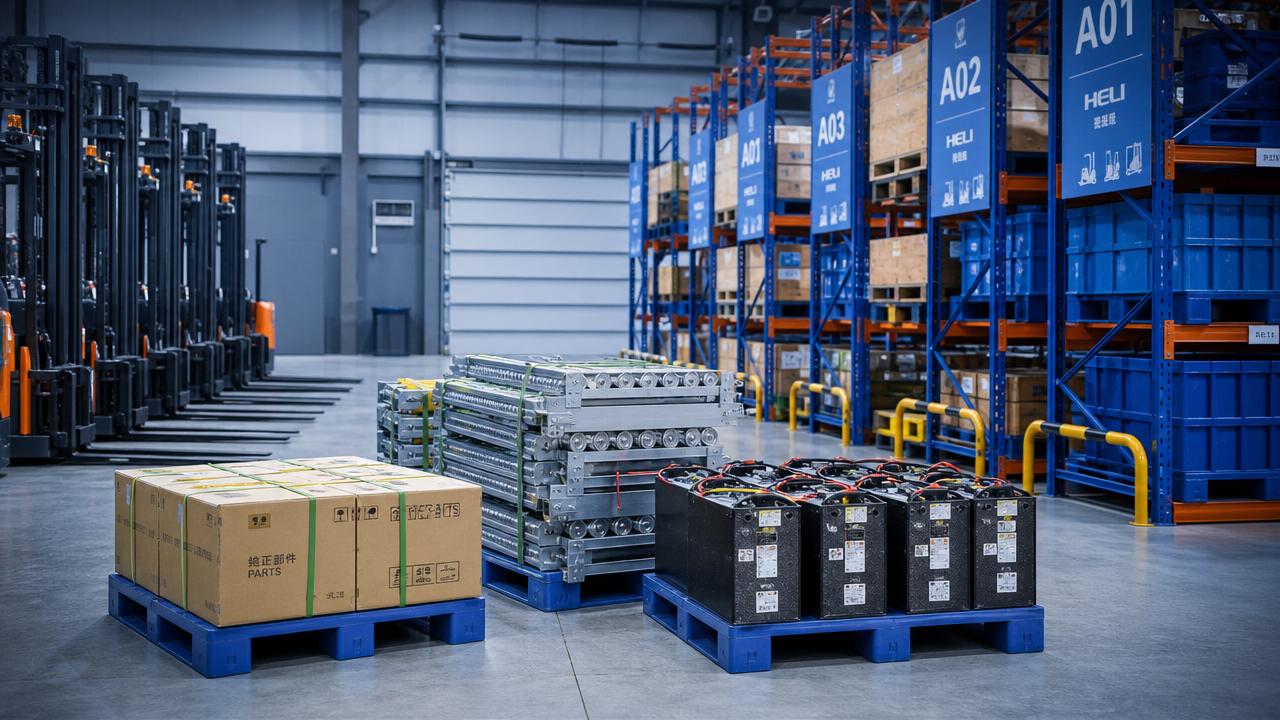
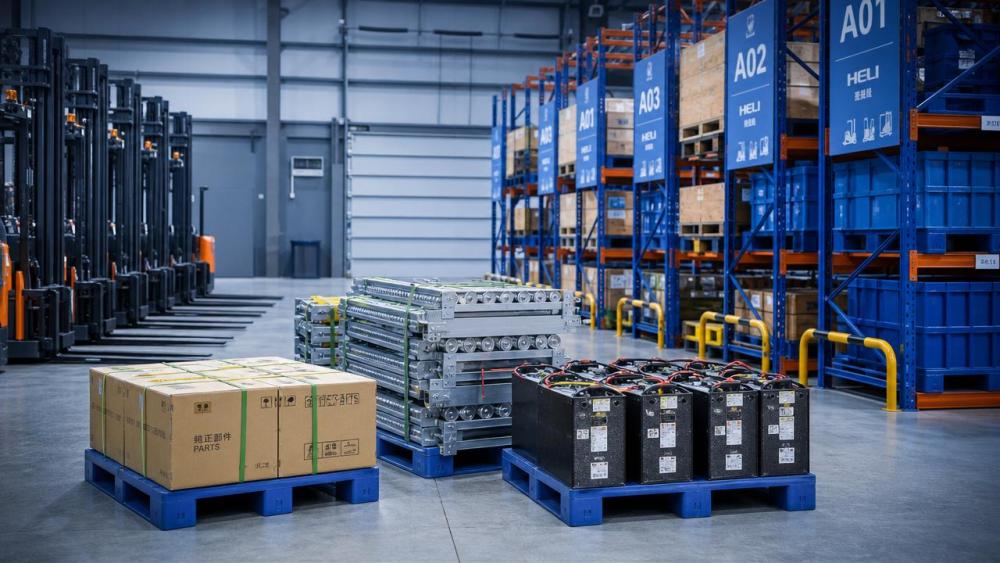
For operators, global supply chain updates for warehouse equipment are more than headlines about shipping lanes or factory output. They are practical signals that affect whether forklifts, racking parts, conveyor components, batteries, tires, sensors, motors, and safety accessories arrive on time. In a warehouse environment, even a small delay in one part can create a chain reaction: idle equipment, slower loading, missed dispatch windows, and higher labor pressure.
The phrase usually covers changes in manufacturing lead times, raw material availability, freight capacity, port congestion, customs procedures, policy shifts, and supplier stability. It also includes price movements for steel, electronics, rubber, and power components that are widely used in industrial equipment. For people using or operating warehouse systems every day, these updates matter because they shape maintenance timing, spare-parts planning, and equipment readiness.
In today’s industrial market, supply conditions can change quickly. A new export rule, labor disruption, semiconductor shortage, or container imbalance may not seem directly connected to a loading dock, yet it can delay scanner modules, control boards, hydraulic seals, or charging systems. That is why following global supply chain updates for warehouse equipment has become part of operational awareness rather than a task only for procurement teams.
Why the industry is paying closer attention now
Warehousing has become more time-sensitive as manufacturers, distributors, and exporters work with tighter delivery windows. At the same time, many warehouse assets depend on internationally sourced components. Electric lift trucks may rely on imported batteries and controllers, conveyor systems may need precision motors and sensors from specialized suppliers, and storage systems may depend on steel processing schedules. This makes the sector highly sensitive to global supply shifts.
Several market forces explain the stronger focus. First, equipment fleets are aging in many facilities, which increases dependence on replacement parts. Second, automation adoption is growing, and automated systems often require more specific components than standard manual tools. Third, transport volatility remains a concern in many trade routes, especially where ocean freight, inland trucking, and customs clearance all influence final delivery time. Fourth, policy interpretation now matters more, because tariffs, compliance requirements, and energy regulations can alter sourcing options.
From an operations perspective, the goal is not to predict every disruption. It is to understand the signals early enough to adjust maintenance plans, reorder critical items, and avoid being forced into emergency substitutions. Reliable global supply chain updates for warehouse equipment can help operators prepare for these shifts before they become visible on the warehouse floor.
Key areas where supply chain changes affect warehouse operations
Not every category of warehouse equipment is affected in the same way. Some items face higher exposure to raw material volatility, while others are more vulnerable to electronics shortages or freight disruptions. The overview below shows where operators should pay closer attention.
This type of visibility helps translate broad market news into practical action. Instead of treating all delays as random, operators can identify which systems are most exposed and where buffer planning is justified.
Current market signals worth monitoring
When reviewing global supply chain updates for warehouse equipment, operators should focus on a few recurring signals. One is lead-time extension from original equipment manufacturers and component suppliers. If standard replenishment for batteries or control modules moves from two weeks to eight weeks, maintenance routines may need to change immediately.
Another signal is uneven freight performance across regions. Even when production is stable, inland transport shortages, port delays, or customs checks can slow final delivery. For warehouses that rely on imported spare parts, this often creates uncertainty not at the order stage, but at the final handoff stage when replacement is most urgent.
Price volatility is also important. Rising steel costs may affect racking projects, while electronics and battery material costs can change the economics of electric handling equipment. Operators do not always control budgets, but awareness helps them report risk earlier and support realistic planning. Finally, supplier communication quality is a major signal. Suppliers that provide timely updates on production, shipment status, and alternatives are generally easier to work with during unstable periods.
Operational value for users and equipment operators
For the target audience on the warehouse floor, following global supply chain updates for warehouse equipment creates value in several direct ways. The first is better uptime. If operators know that certain wear parts are under supply pressure, they can report unusual performance earlier, prevent avoidable damage, and support condition-based maintenance.
The second value is safer operation. Delayed replacement of tires, brakes, mast components, warning lights, or charging cables can raise safety risks. Timely supply intelligence allows teams to prioritize inspections and avoid pushing equipment beyond acceptable limits. The third value is more stable scheduling. Warehouses often depend on smooth coordination between receiving, storage, picking, and shipping. Equipment disruptions affect all these stages.
There is also a communication benefit. Operators who understand supply conditions can provide more useful feedback to supervisors, maintenance personnel, and planners. Instead of simply reporting that a unit is down, they can flag whether a part is hard to source, whether a substitute is acceptable, or whether the issue may affect similar units in the fleet.
Typical warehouse scenarios influenced by supply chain updates
The effects of supply chain changes appear differently across facility types. A high-volume distribution center may be most sensitive to conveyor sensors and sortation parts. A manufacturing warehouse may focus more on lift trucks, racking adjustments, and dock reliability. Export-oriented facilities often face additional timing pressure because shipping schedules cannot easily be recovered once missed.
These examples show why one-size-fits-all planning is rarely effective. Useful global supply chain updates for warehouse equipment should be matched to the actual operating profile of each site.
Practical ways to reduce delay risk
Operators may not select suppliers directly, but they play an important role in reducing delay risk. Start with equipment condition visibility. Daily checks, accurate fault reporting, and early escalation help maintenance teams order parts before breakdown becomes critical. A small warning today can prevent a major delay next month.
It also helps to identify critical consumables and non-interchangeable parts. Some items are easy to replace locally, while others depend on specific manufacturers or certifications. Where possible, sites should maintain a list of high-risk items such as charger parts, control boards, hydraulic seals, mast rollers, or conveyor sensors. This improves planning when global supply chain updates for warehouse equipment indicate longer replenishment times.
Another practical step is to support standardization. Facilities with too many equipment models often face more complex spare-parts sourcing. Standardizing batteries, tires, connectors, or common service parts can make the operation more resilient. Finally, operators should pay attention to substitute use. Not every alternative part performs the same way, and poor substitutions can create safety, compatibility, or warranty issues.
What to evaluate when reading industry updates and supplier notices
Not all updates are equally useful. The most valuable information is specific, timely, and connected to actual equipment categories. When reviewing industry news, market analysis, price trends, export trade developments, or company notices, look for details such as affected product lines, expected duration, alternative sourcing routes, and whether the issue is regional or global.
It is also important to distinguish between short-term noise and structural change. A one-week delay due to weather is different from a multi-quarter shortage driven by factory capacity or regulation changes. The second type usually requires more serious planning. In addition, evaluate whether a supplier is offering transparent shipment tracking, realistic delivery estimates, and technical support for alternatives. For warehouse operators, this information is often more useful than broad market commentary alone.
FAQ on global supply chain updates for warehouse equipment
How often should operators review supply updates?
For critical equipment, a monthly review is a reasonable baseline, with more frequent checks during known disruption periods or before peak shipping seasons.
Which items usually deserve priority attention?
Priority often goes to batteries, electronic controls, hydraulic parts, tires, dock components, safety devices, and automation-related sensors because shortages in these areas can stop work quickly.
Can supply chain updates help even if purchasing is handled by another team?
Yes. Operators can use global supply chain updates for warehouse equipment to improve reporting, support preventive maintenance, and alert managers when a minor issue could become a longer outage due to delayed parts.
A practical direction for smarter equipment planning
Warehouse performance depends on equipment that is available, safe, and supported by dependable supply channels. In that context, global supply chain updates for warehouse equipment are not just market information; they are operational tools. They help users understand what may affect lead times, which categories carry higher risk, and where early action can prevent avoidable delays.
For operators and site teams, the most effective approach is simple: stay informed, report issues early, track critical parts, and connect day-to-day equipment behavior with broader market signals. By combining supply chain awareness with practical maintenance and communication habits, warehouses can protect uptime, reduce disruption, and make more confident decisions in a changing industrial environment.

Industry Briefing
Get the top 5 industry headlines delivered to your inbox every morning.