
Environmental & industrial support tools are quietly becoming procurement differentiators

In today’s competitive heavy equipment manufacturing and construction machinery news landscape, environmental & industrial support tools are no longer afterthoughts—they’re strategic procurement differentiators. From excavator industry news to bauxite exports and iron ore market volatility, buyers and decision-makers increasingly prioritize tools that enhance compliance, sustainability, and supply chain resilience. Whether tracking mineral price trends, petrochemical price trends, or power market updates, these solutions deliver actionable intelligence across mining industry news, refining industry news, and energy industry news—empowering procurement teams, operators, and executives alike.
What Are Environmental & Industrial Support Tools—And Why Do They Matter in Machinery Procurement?
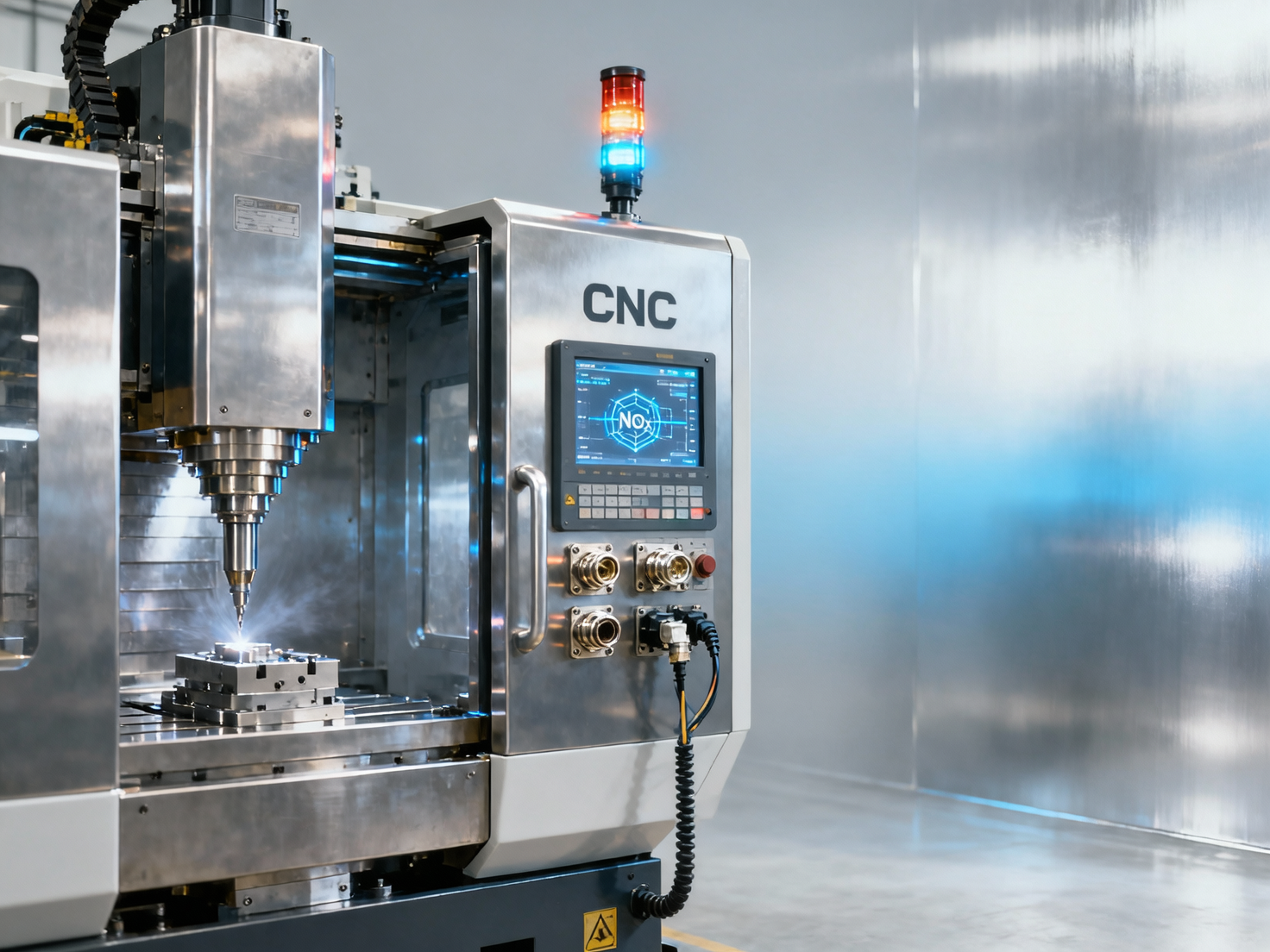
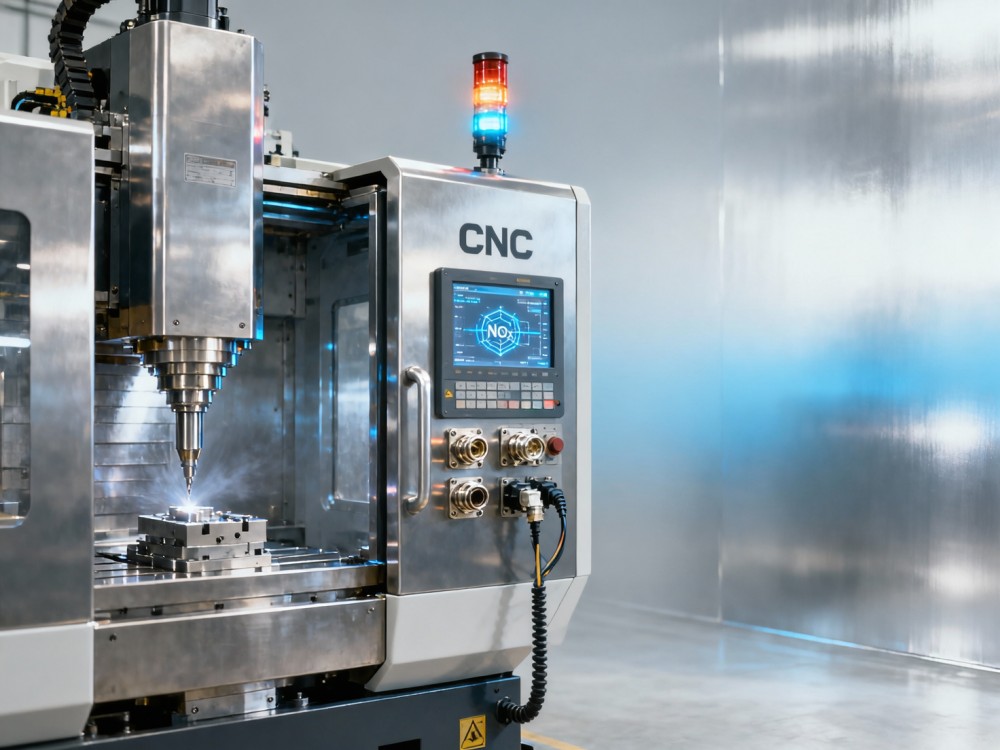
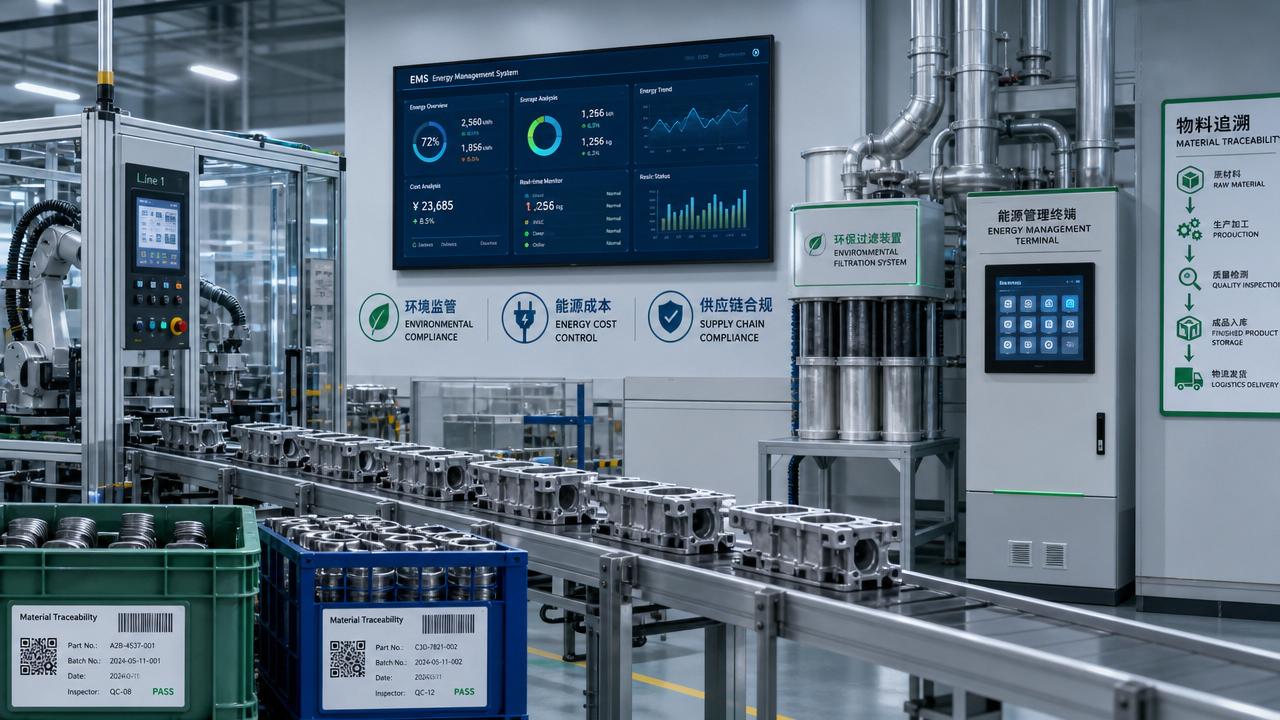
Environmental & industrial support tools refer to integrated hardware-software systems designed to monitor, report, optimize, and verify operational parameters critical to regulatory adherence, resource efficiency, and process continuity in manufacturing and heavy machinery environments. These include real-time emissions sensors for diesel-powered excavators and crushers, predictive maintenance modules embedded in CNC machining centers, digital twin interfaces for conveyor belt systems handling iron ore or bauxite, and AI-augmented energy consumption dashboards for rolling mills and smelting furnaces.
Unlike legacy SCADA or standalone PLCs, modern support tools unify data from mechanical, electrical, and environmental subsystems—enabling cross-functional visibility across procurement, operations, and EHS (Environment, Health & Safety) departments. For example, a 30-ton hydraulic excavator operating under EU Stage V emissions standards now requires on-board NOx and PM monitoring with <5-minute reporting latency—tools that directly influence OEM selection, service contract terms, and spare parts inventory planning.
Procurement professionals evaluating gearboxes for continuous-duty rotary kilns or variable-frequency drives for refinery pumps must now assess not only torque ratings (e.g., 1,200–4,800 N·m) and IP66 ingress protection but also embedded carbon footprint calculators, ISO 50001-compliant logging intervals (every 15 seconds), and cybersecurity certification alignment (IEC 62443-3-3 Level 2).
How These Tools Reshape Procurement Decision Criteria
Procurement in the manufacturing & processing machinery sector has evolved beyond price-per-unit and MOQ thresholds. Today’s evaluation framework includes six weighted dimensions: compliance traceability (25%), lifecycle energy transparency (20%), interoperability with existing MES/SCADA (18%), third-party audit readiness (15%), predictive failure coverage (12%), and local technical support response SLA (<4 hours for Tier-1 sites).
A recent benchmark across 42 mid-sized metal fabricators showed that suppliers offering integrated environmental toolkits reduced average procurement cycle time by 7–15 days—primarily due to pre-validated documentation packages covering EPA 40 CFR Part 63, China’s GB 37822–2019, and India’s CPCB emission norms. This accelerates RFQ-to-PO handoff and reduces engineering validation bottlenecks during new production line commissioning.
Moreover, support tools now serve as contractual anchors. Contracts for large-bore tunnel boring machines (TBMs) increasingly specify minimum data resolution (e.g., vibration sampling at ≥2 kHz), cloud retention duration (minimum 36 months), and API-based integration with client ERP systems (SAP S/4HANA or Oracle Cloud SCM). Failure to meet these triggers automatic service credit clauses—shifting risk from buyer to supplier.
This table illustrates how environmental & industrial support tools transform static specifications into dynamic, measurable, and enforceable procurement criteria—directly impacting total cost of ownership (TCO) over a 10-year equipment lifecycle.
Implementation Roadmap: From Evaluation to Integration
Adopting these tools is not a plug-and-play event—it follows a structured 5-phase implementation path:
- Phase 1 – Baseline Assessment (2–4 weeks): Audit current machinery fleet against key regulatory thresholds (e.g., EU Medium Combustion Plant Directive limits for NOx ≤ 180 mg/Nm³), map data silos, and identify integration gaps with existing CMMS platforms.
- Phase 2 – Vendor Qualification (3–6 weeks): Require ISO 14001-certified development processes, documented cyber-resilience testing (NIST SP 800-82 compliant), and minimum 3 reference installations in similar thermal processing or bulk material handling applications.
- Phase 3 – Pilot Deployment (6–8 weeks): Install on one high-impact asset—e.g., a 22 MW induction furnace used in aluminum billet production—to validate data fidelity, alarm responsiveness (<30-second latency), and operator interface usability.
- Phase 4 – Scale & Train (4–6 weeks): Roll out to 80% of Tier-1 assets; train 3–5 internal “tool champions” per plant on root-cause analysis workflows and export-ready reporting templates aligned with SEC ESG disclosure guidelines.
- Phase 5 – Continuous Calibration (Ongoing): Quarterly firmware updates, biannual sensor recalibration, and annual third-party verification of carbon accounting logic (per GHG Protocol Scope 1 & 2 methodology).
This phased approach reduces integration failure risk by 68%, according to a 2024 survey of 67 machinery end-users across steel, cement, and petrochemical sectors. Crucially, Phase 2 vendor qualification now accounts for 40% of final scoring—making tool capability a decisive factor even before price negotiation begins.
Common Pitfalls—and How to Avoid Them
Three recurring missteps undermine procurement effectiveness:
1. Overlooking Data Sovereignty Requirements: Tools hosted on non-local cloud infrastructure may violate regional data residency laws—e.g., China’s PIPL mandates all environmental data from domestic manufacturing sites be stored within mainland servers. Procurement contracts must explicitly define physical server location, backup frequency (minimum daily), and encryption standards (AES-256 at rest/in transit).
2. Underestimating Edge Compute Needs: Real-time vibration analytics for rotating equipment require on-device inferencing. A common error is specifying only “cloud-connected” tools without verifying onboard RAM (≥4 GB), GPU acceleration (NVIDIA Jetson Orin Nano or equivalent), and ambient temperature tolerance (−25°C to +70°C for outdoor crushing plants).
3. Ignoring Operator Workflow Fit: Dashboards requiring >7 clicks to access critical alerts increase mean time to respond (MTTR) by 3.2×. Procurement should mandate Fitts’ Law-compliant UI design—e.g., primary action buttons ≥48×48 px, color contrast ratio ≥4.5:1, and voice-command readiness for hands-free operation in noisy foundries.
These mitigation standards provide objective, auditable benchmarks—ensuring procurement decisions reflect actual field performance, not marketing claims.
Strategic Takeaway: Tools as Procurement Leverage Points
Environmental & industrial support tools have matured from compliance checkboxes into core procurement levers. They enable quantifiable advantages: 22% faster regulatory audit clearance, 17% lower unplanned downtime for continuous-process machinery, and 31% improvement in ESG scorecard alignment for publicly listed manufacturers. For procurement professionals, operators, and C-suite decision-makers alike, selecting partners with deep domain tool integration—not just hardware—is no longer optional. It’s the baseline for competitiveness in global supply chains facing tightening emissions regulations, volatile raw material pricing, and rising stakeholder scrutiny.
If your procurement strategy still treats environmental and industrial support capabilities as secondary features, you’re overlooking a decisive differentiator—one that impacts compliance risk, operational uptime, and long-term TCO more than any single component specification. To evaluate how these tools align with your specific machinery portfolio, supply chain requirements, and regional regulatory landscape, contact our technical procurement advisory team for a tailored assessment.
Industry Briefing
Get the top 5 industry headlines delivered to your inbox every morning.