
Air pollution control equipment news for plant managers

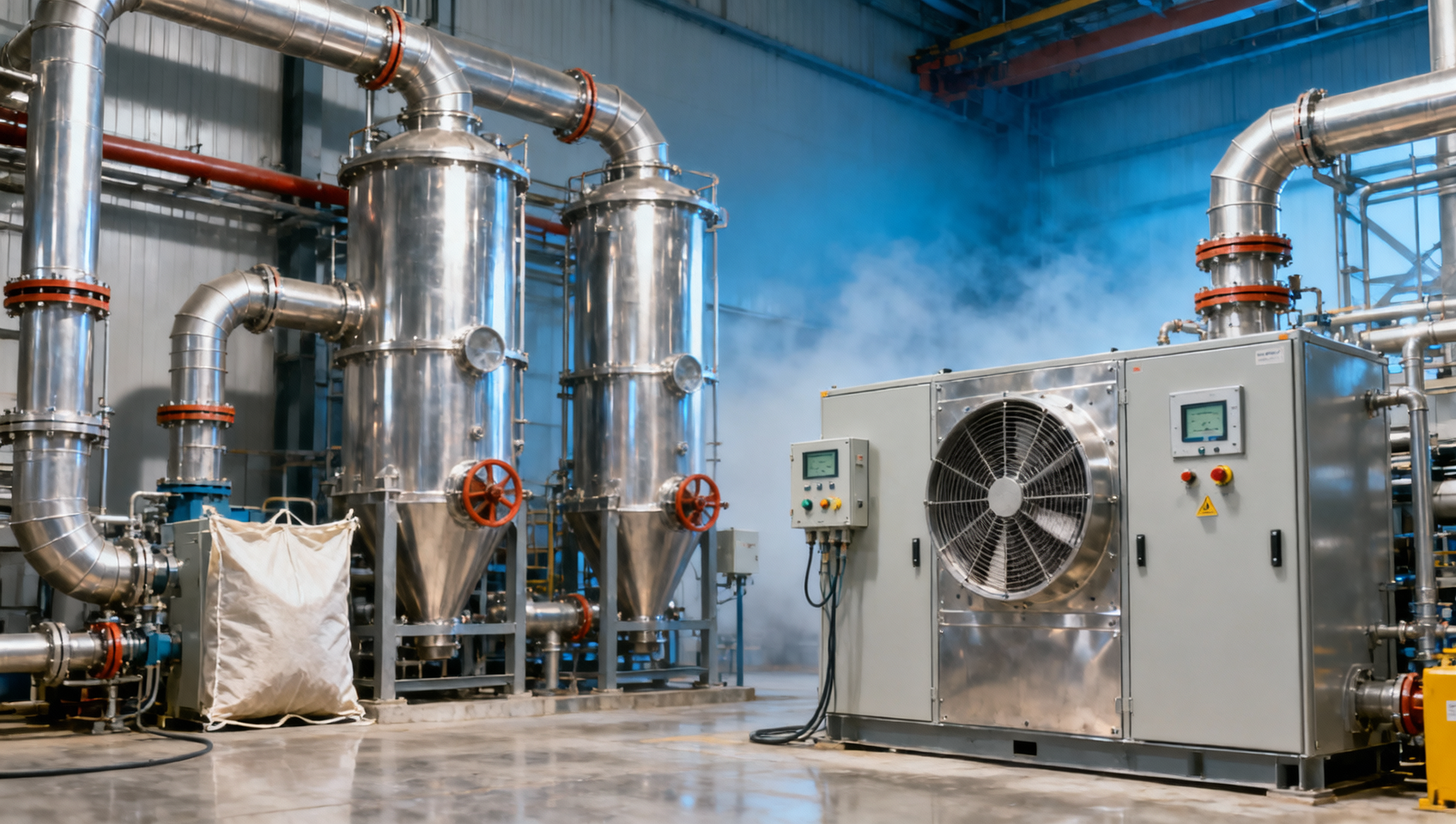
Plant managers need timely insights to balance compliance, uptime, and operating costs. This roundup of environmental equipment news for air pollution control highlights practical developments in filtration, emissions monitoring, and process optimization, while connecting them with environmental equipment news for energy efficiency and industrial applications. It offers clear, decision-ready updates for operators, buyers, and business leaders tracking the latest environmental equipment news.
What air pollution control equipment news matters most on the plant floor?
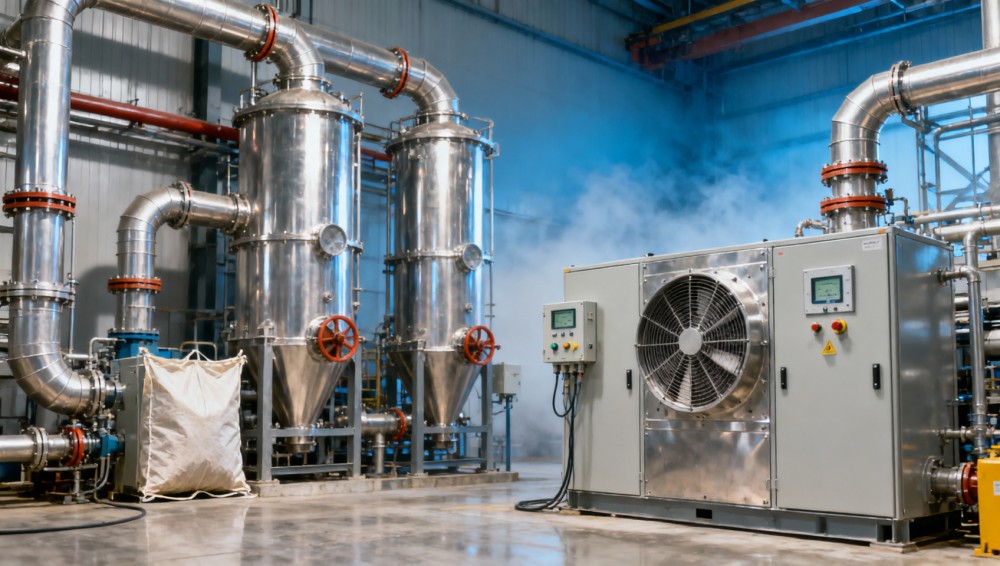
For plant managers, air pollution control equipment news is not just about new products. It is about whether a baghouse upgrade can reduce downtime, whether a scrubber retrofit can support a permit review, and whether continuous emissions monitoring can improve reporting accuracy over the next 3–12 months. In manufacturing, processing, and industrial equipment environments, news becomes useful only when it connects to production risk, maintenance workload, and procurement timing.
The most relevant environmental equipment news usually falls into 4 practical buckets: filtration efficiency, emissions visibility, energy use, and compliance response. Operators focus on pressure drop, cleaning intervals, and spare parts availability. Procurement teams compare lead times that often range from 4–10 weeks for standard components and longer for customized systems. Decision makers want to know whether a capital project can align with shutdown windows of 2–7 days or require a broader phased installation.
This is why industrial news portals serving machinery, electrical equipment, and industrial components have a clear advantage. They can connect technology updates with market analysis, price trends, export trade developments, and supply chain intelligence. For a plant manager, that combination is more useful than isolated product announcements because it helps explain why fan motors, filter media, analyzers, valves, and control panels may face different sourcing risks across regions and quarters.
In recent environmental equipment news, the strongest signals often come from modular retrofits, sensor integration, and energy-focused control logic. Instead of replacing an entire line, many plants now evaluate staged improvements: first monitoring, then airflow balancing, then collector optimization. This phased approach suits facilities that must protect throughput, manage budget cycles, and maintain compliance without major production disruption.
Why this topic is broader than dust collection alone
Air pollution control equipment news increasingly overlaps with energy efficiency and process stability. A collector with poor airflow control does not only affect particulate capture; it can increase fan load, shorten filter life, and raise maintenance frequency. A monitoring system that detects drift earlier can support both environmental reporting and troubleshooting in thermal processing, coating, welding, material handling, and chemical transfer operations.
That is especially important across mixed industrial portfolios. One site may operate metal fabrication cells, another may run powder handling, while a third focuses on electrical component assembly with soldering and coating processes. The underlying technologies differ, but the decision framework is similar: understand the emission profile, confirm the duty cycle, compare retrofit complexity, and align vendor support with plant operating realities.
Key signals plant teams should track weekly
- Changes in filter media, sensor, fan, or control component availability that may affect maintenance planning over the next 30–90 days.
- Policy interpretation updates tied to emissions reporting, workplace exposure management, or local permitting expectations.
- Technology news about lower-pressure-drop filtration, variable speed control, and integrated monitoring that can improve both capture and energy performance.
- Price trend movements in steel housings, electrical cabinets, instrumentation, and imported spare parts that influence total project cost.
Which technology shifts are shaping environmental equipment news for industrial plants?
Current air pollution control equipment news points to a practical shift from isolated hardware toward connected system performance. Plants are no longer evaluating collectors, scrubbers, oxidizers, and monitors as separate assets only. They are looking at how capture hoods, ducting, fans, motors, PLC logic, and emissions measurement work together under variable loads. This matters in facilities where production can swing by 20%–40% between shifts, product types, or seasonal orders.
Filtration remains a central theme. In dust-heavy applications, managers are watching developments in media durability, pulse cleaning control, and differential pressure tracking. In gas and vapor control, there is growing interest in packed scrubber optimization, activated carbon change-out management, and thermal oxidation control strategies. The technical question is not simply which device is newer, but which configuration fits temperature range, particle size, chemistry, and maintenance capability.
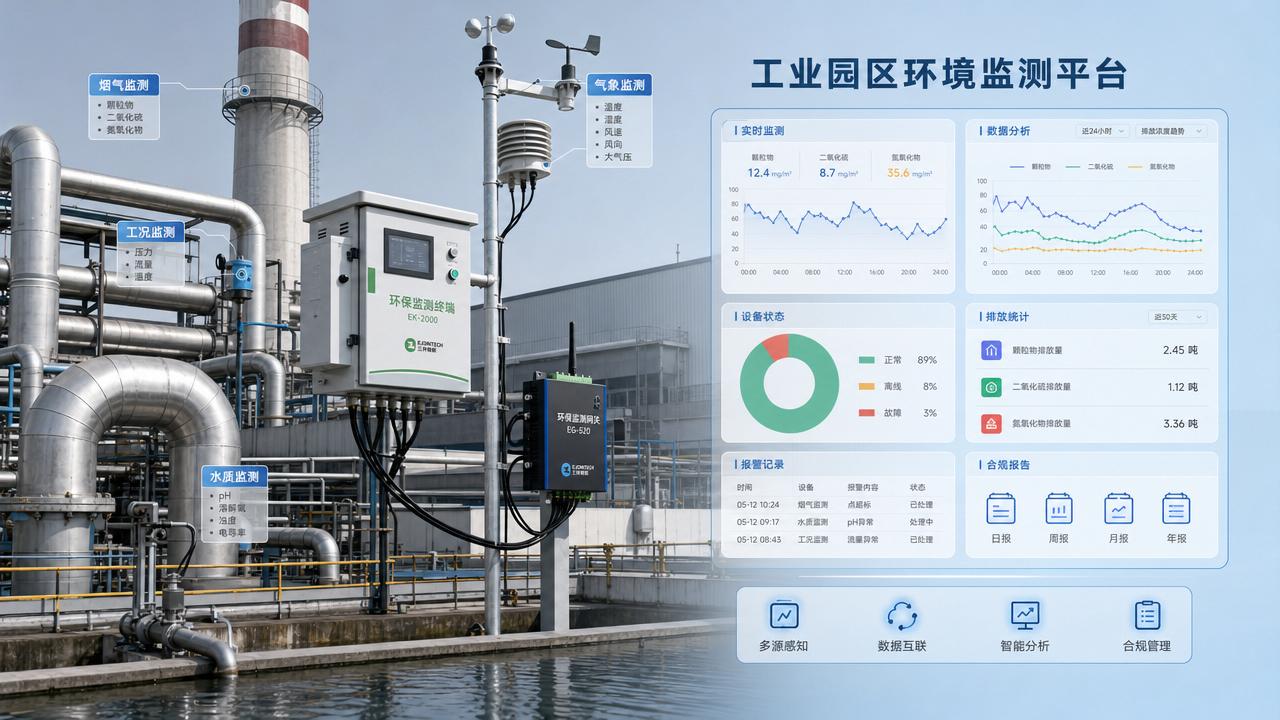
Monitoring is another strong area in environmental equipment news. Continuous or semi-continuous instrumentation helps plants identify trends before they become compliance events or production losses. For many sites, the most realistic implementation path is a 3-stage rollout: baseline measurement, alarm logic integration, and reporting workflow refinement. That approach reduces disruption and gives operators time to validate signal quality under real operating conditions.
Energy efficiency is increasingly linked to pollution control decisions. A fan system running outside its intended airflow range can waste power every hour of operation. Variable frequency drives, damper optimization, leak reduction, and improved collector balance often deliver operational value even before larger capital replacement decisions are made. That is why environmental equipment news for energy efficiency now deserves a place in the same review cycle as emissions and maintenance news.
Comparison of common solution paths
The table below summarizes how plant teams often compare major air pollution control equipment options when reviewing industrial equipment news, maintenance risk, and project feasibility.
This comparison shows why environmental equipment news should be interpreted by process context rather than headlines alone. The same technology can be a strong fit in one plant and a poor investment in another if the emission load, utility cost, maintenance resources, or shutdown window do not match.
Where industrial buyers should read between the lines
When a news item emphasizes higher efficiency, buyers should ask 3 follow-up questions. Under what airflow range was that achieved? How often does the system require cleaning, calibration, or media change? And does the upgrade depend on auxiliary changes such as a larger fan, new control cabinet, or revised duct layout? These questions separate marketing claims from plant-ready decisions.
This is where a portal covering manufacturing machinery, industrial components, electrical supplies, and supply chain intelligence adds value. It helps users see both the technical headline and the practical implications: spare part sourcing, panel lead times, installation sequencing, and whether a new environmental solution fits a site’s broader capital plan.
How should plant managers compare options before purchase or retrofit?
A good purchasing decision starts with a realistic process snapshot. Before comparing vendors or technologies, teams should define at least 5 inputs: emission type, airflow requirement, operating hours per day, space constraints, and utility limits. In many facilities, the most expensive mistake is not choosing the wrong brand; it is specifying a system based on average conditions instead of peak load, upset conditions, or future product changes.
Procurement teams also need to look beyond equipment price. Air pollution control equipment news often highlights innovation, but project success depends on installed cost, commissioning support, spares planning, and training. A lower upfront quote may become less attractive if the system requires a longer shutdown, imported consumables, or complex operator intervention every week. For plants running 2 or 3 shifts, simplicity and service access often matter as much as nameplate performance.
Lead time is another critical decision variable. Standard modules may be available in 4–8 weeks, while customized housings, corrosion-resistant materials, or integrated controls can extend schedules to 10–20 weeks. If a permit deadline or maintenance turnaround is near, the project plan should include alternative paths such as temporary upgrades, partial retrofits, or staged implementation. News about supply chain constraints is therefore directly relevant to capital timing.
For decision makers, the right comparison method is usually a weighted matrix instead of a single-price view. That matrix should reflect compliance risk, lifecycle cost, energy impact, service availability, and integration complexity. When buyers align these factors early, they reduce change orders, avoid under-scoped installations, and improve internal approval speed.
Practical procurement checklist for air pollution control equipment
The table below can be used during vendor screening, RFQ preparation, or internal capital review for environmental equipment news-driven projects.
Using a structured review like this helps users turn environmental equipment news into procurement action. It also gives finance and operations leaders a common language for comparing technical proposals, schedule impacts, and long-term operating exposure.
A 4-step internal review flow
- Collect current operating data over at least 2 representative production periods rather than one short snapshot.
- Screen 2–3 solution paths, including retrofit and partial-upgrade options, before requesting full quotations.
- Validate installation constraints, shutdown duration, and utility tie-in needs with maintenance and production teams.
- Align commercial review with spare parts planning, commissioning scope, and reporting or monitoring obligations.
What compliance, cost, and implementation risks are often underestimated?
One common mistake is treating compliance as a final paperwork step. In reality, environmental equipment news, policy interpretation, and equipment selection should be reviewed together from the start. Permit conditions, stack testing methods, monitoring expectations, and recordkeeping practices can all influence system design. A plant may technically capture emissions better after a retrofit, yet still struggle if documentation, calibration practice, or alarm management are weak.
Another underestimated issue is lifecycle cost. Buyers often compare capital expenditure while underweighting maintenance hours, utility load, consumables, and production interruption risk. For example, a design that saves money upfront but increases filter replacement frequency from every 12 months to every 6 months may create a larger total cost burden over a 2–3 year operating window. The same is true for systems needing specialized imported parts with uncertain replenishment cycles.
Implementation risk also rises when air pollution control equipment is added without enough attention to upstream process variation. If temperature, moisture, or loading swing beyond the intended design envelope, plants can experience blinding, corrosion, unstable readings, or repeated alarms. This is why environmental equipment news should be reviewed with process engineers, operators, and maintenance supervisors together, not in isolation.
From a business perspective, market analysis and supply chain intelligence matter here as much as engineering. Changes in steel pricing, electrical component availability, shipping routes, or export controls can affect total project timing and budget. A news source that combines technology updates with trade and sourcing signals helps decision makers avoid committing to unrealistic installation calendars.
Common risk areas plant teams should test before approval
- Whether the stated operating range covers startup, shutdown, and off-spec production conditions, not only normal output.
- Whether instrumentation maintenance and calibration can be handled internally every month or every quarter.
- Whether spare media, sensors, valves, and electrical components have acceptable sourcing paths within the plant’s target replenishment window.
- Whether the installation plan protects throughput during a 1–2 shift stop or a longer planned turnaround.
FAQ for researchers, operators, buyers, and decision makers
How do I know if a retrofit is better than full replacement?
Start with the remaining usable life of the housing, fan, controls, and access structure. If the core system is mechanically sound, a retrofit focused on media, controls, sensors, or airflow balancing may be more practical. If corrosion, structural wear, or repeated underperformance affects multiple subsystems, full replacement may reduce long-term disruption. Review both options against a 12–36 month operating horizon.
What should buyers ask when reading environmental equipment news about new monitoring systems?
Ask how the system handles calibration, data storage, alarm thresholds, and integration with existing control architecture. Clarify whether the solution is intended for process trending, maintenance diagnostics, or formal compliance support. Those are related needs, but not identical ones. A strong news release may highlight sensor sensitivity, while the plant actually needs stable performance across dust, vibration, and temperature variation.
What is a realistic delivery and startup timeline?
For standard components, 4–8 weeks is common in many industrial supply situations, though this varies by region and material. Customized systems, integrated panels, specialty alloys, or imported instrumentation can extend the schedule to 10–20 weeks or more. Commissioning may take from 1–3 days for simple systems to several stages over 2–4 weeks when controls, balancing, and operator training are included.
Which standards and compliance references should plants check?
Plants should verify local environmental permit conditions first, then review the applicable technical standards for electrical safety, instrumentation, and process equipment design used in their region. In multinational sourcing, it is also wise to check documentation quality, material traceability where relevant, and whether testing or monitoring methods are compatible with local enforcement expectations. The exact framework varies, so project teams should match equipment documentation to site obligations early.
Why choose us for environmental equipment news and next-step sourcing support?
For plant managers and industrial buyers, the value of environmental equipment news depends on speed, context, and actionability. Our portal covers manufacturing and processing machinery, industrial equipment and components, and electrical equipment and supplies. That means readers can follow not only technology updates in air pollution control equipment, but also market analysis, price trends, policy interpretation, company developments, exhibition coverage, export trade movements, and supply chain intelligence in one place.
This matters when a decision cannot wait for a perfect market. If you are comparing filter technologies, reviewing emissions monitoring options, or planning an energy-efficiency retrofit, you need more than headline news. You need practical visibility into component availability, procurement risks, common implementation paths, and the questions that should be resolved before a quotation is approved. Our content is built around those B2B decisions.
You can contact us for specific support on parameter confirmation, solution comparison, delivery cycle assessment, compliance document review, sample and component sourcing direction, and quotation communication. If your team is evaluating a retrofit during a shutdown window, screening suppliers across regions, or trying to balance emissions control with operating cost, we can help organize the information that matters first.
A useful next step is simple: send the process type, emission characteristics, operating schedule, and project timeline your plant is working with. Based on that, we can help you narrow the shortlist, identify the most relevant environmental equipment news, and focus your review on the 3–5 factors most likely to affect compliance, uptime, and total project value.

Industry Briefing
Get the top 5 industry headlines delivered to your inbox every morning.
- industrial equipment
- manufacturing machinery
- industrial supply
- industrial components
- supply chain
- procurement
- manufacturing
- industrial equipment news
- environmental equipment news
- latest environmental equipment news
- environmental equipment news for air pollution control
- environmental equipment news for energy efficiency