
Energy Industry Emissions: Best Control Options


As energy producers face tighter emissions rules and rising cost pressures, staying informed is critical. This article explores best control options through the lens of industrial environmental news for energy industry, while connecting key trends in industrial environmental news for air pollution control and the latest export trade policy. It helps researchers, operators, buyers, and decision-makers understand compliance, technology choices, and global market implications.
Why emissions control has become a board-level issue in the energy industry
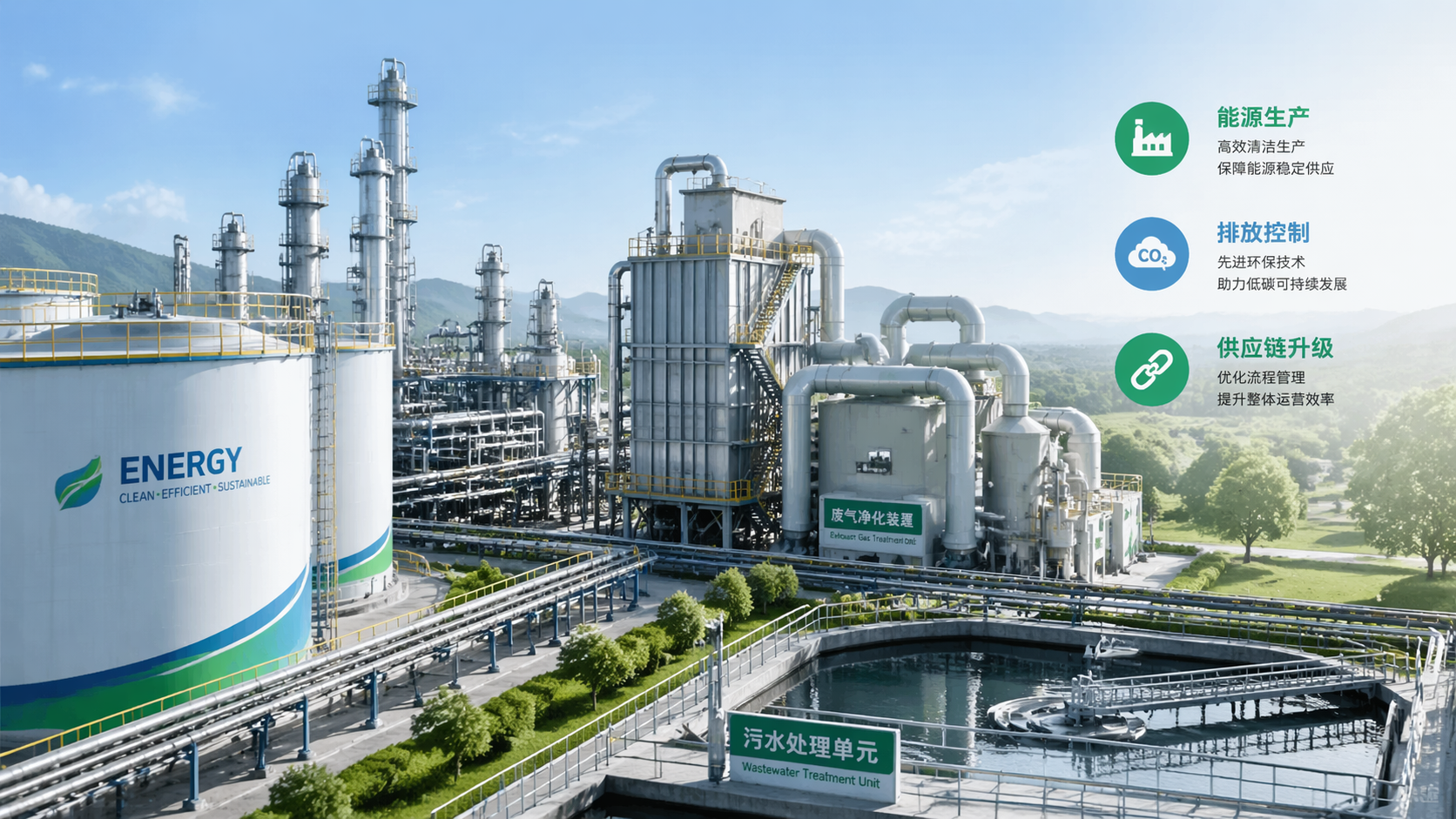
[[IMG:img_01]]Energy industry emissions are no longer managed only by plant environmental teams. They now affect production planning, maintenance schedules, export competitiveness, financing discussions, and equipment procurement. For coal-fired plants, gas-fired units, waste-to-energy facilities, biomass plants, industrial boilers, and captive power systems, the pressure comes from three directions at once: stricter local air pollution control requirements, volatile fuel quality, and rising operating costs across utilities and heavy industry supply chains.
For information researchers, the challenge is filtering fragmented industrial environmental news for energy industry into decision-ready insight. For operators, the issue is practical: can a control system handle load changes, startup cycles, and variable sulfur or ash content without causing downtime? For procurement teams, the real question is not just equipment price, but life-cycle cost over 3–10 years, spare parts availability, and vendor response time within typical 24–72 hour service windows.
Enterprise decision-makers look at a wider frame. They want to know which emissions control options support both compliance and stable production, how export trade policy may reshape equipment sourcing, and whether retrofits can be phased in during a 7–21 day outage rather than a full seasonal shutdown. This is where integrated industry news, price trend tracking, policy interpretation, and supply chain intelligence become more valuable than isolated technical brochures.
In practical terms, “best control options” rarely means one universal technology. It means selecting the right combination for SOx, NOx, particulate matter, acid gases, heavy metals, and sometimes CO or VOC-related co-benefits. The answer depends on fuel type, plant size, flue gas temperature window, target removal level, water availability, reagent logistics, and whether the site is planning a new build, brownfield retrofit, or staged upgrade.
What buyers and plant teams usually need to compare first
Before discussing models or suppliers, most industrial users should compare 5 core decision dimensions: target pollutant, fuel variability, retrofit space, operating cost structure, and compliance reporting needs. Missing even one of these can turn a low-capex purchase into a costly long-term mismatch.
- Pollutant profile: Determine whether the priority is NOx, SOx, dust, mercury, acid gases, or multiple pollutants in one train.
- Fuel condition: Check sulfur range, ash loading, moisture, chlorine content, and expected seasonal variation over 12 months.
- Process integration: Confirm available footprint, duct routing, fan margin, water balance, and shutdown window for installation.
- Cost profile: Separate capex from reagent consumption, power use, maintenance intervals, waste disposal, and labor intensity.
- Compliance management: Review local emission limits, continuous monitoring needs, record retention, and audit readiness.
When these factors are mapped early, plant teams can move faster from market analysis to shortlisting. That matters in a period when delivery timing for fans, control valves, analyzer components, and specialty materials may shift from 6–8 weeks to 12–20 weeks depending on region and trade conditions.
Which air pollution control options fit different energy generation scenarios?
The most effective control route depends on the generation asset and the emissions target. A utility boiler burning higher-sulfur coal may prioritize flue gas desulfurization and particulate capture. A gas turbine or gas-fired boiler often focuses more on NOx reduction. Waste-to-energy and biomass facilities usually face a more complex mix, including acid gases, particulates, dioxin control support, and corrosive conditions. This is why application scenarios matter as much as equipment specifications.
For existing plants, retrofit constraints often determine the real shortlist. A site with limited water access may avoid wet systems even if theoretical removal is higher. A plant facing unstable loads may prefer technologies with better turndown and faster response. In many industrial environmental news for air pollution control discussions, the difference between lab potential and plant reliability is where procurement success or failure is decided.
The table below summarizes common control options used across energy industry applications. The ranges are indicative and should be validated against fuel analysis, process conditions, and local compliance obligations before procurement or retrofit planning.
The main takeaway is that no single option solves every emissions problem. In many energy industry retrofits, the practical solution is a system train such as boiler optimization plus SNCR, or scrubber plus baghouse, or low-NOx burners plus SCR. Plants that treat selection as an integrated process usually reduce rework, shorten commissioning, and improve compliance stability over quarterly reporting cycles.
Scenario-based selection logic
A useful selection approach is to divide projects into 3 categories: new installation, constrained retrofit, and compliance upgrade under time pressure. Each category changes what “best” means. A new installation can optimize layout and utilities. A constrained retrofit may need modular skids, compact duct changes, or phased tie-ins. A fast compliance project may accept a different balance between capex and reagent cost if the deadline is inside 2–4 quarters.
When each route becomes more attractive
- Choose higher-efficiency particulate capture when ash loading is significant, stack opacity is under scrutiny, or sorbent injection requires reliable downstream collection.
- Choose wet or semi-dry desulfurization when sulfur limits tighten and fuel switching is impractical or too costly over the next 12–36 months.
- Choose SCR when NOx performance must remain stable across broader load conditions and the plant can maintain the required flue gas temperature window.
- Choose lower-capex NOx routes such as combustion modification or SNCR when budget is constrained and target limits are achievable without catalyst-based systems.
This scenario view is especially valuable for buyers monitoring industrial environmental news for energy industry because technology value shifts with fuel markets, maintenance constraints, and local regulation. A solution that was economical 18 months ago may no longer be the strongest option when reagent prices, import lead times, or discharge requirements change.
How should procurement teams compare performance, cost, and retrofit risk?
Procurement in emissions control is often difficult because technical performance and commercial value do not move together. One offer may have lower initial equipment cost but higher auxiliary power demand. Another may promise deeper removal but require more water treatment, more maintenance stops, or imported consumables exposed to export trade policy changes. Buyers need a comparison model that reflects plant reality, not just bid-sheet rankings.
A practical evaluation framework should include at least 6 checkpoints: pollutant removal suitability, integration complexity, utility consumption, maintenance burden, parts availability, and reporting support. For many plants, maintenance access and spare parts delivery can matter as much as nominal control efficiency, especially where a missed outage window can delay a project by 3–6 months.
The table below helps procurement teams compare common decision factors in a structured way. It is particularly useful for B2B buyers who need internal approval from operations, engineering, EHS, and finance before releasing orders or signing retrofit contracts.
This comparison method supports better decisions in sectors linked to manufacturing and industrial equipment because emissions systems are not standalone products. They connect to fans, pumps, valves, analyzers, electrical controls, and maintenance services. A portal that tracks market analysis, component trends, policy interpretation, and supply chain intelligence can help buyers identify hidden bottlenecks before contract award.
Common procurement mistakes that increase project risk
Many projects face avoidable problems because teams compare proposals on headline efficiency alone. In practice, three mistakes appear repeatedly in industrial environmental news for air pollution control discussions: incomplete baseline data, weak outage planning, and poor understanding of downstream operating cost. These are not minor details. They often decide whether a system performs consistently after handover.
- Buying before data validation. At minimum, teams should review recent fuel analyses, load profiles, dust levels, and seasonal operating patterns covering several months rather than a single test period.
- Ignoring installation constraints. A retrofit that looks simple on paper may require steelwork changes, cable rerouting, fan upgrades, and instrument relocation inside a very limited outage window.
- Underestimating consumables and service. Reagents, filter media, catalyst replacement cycles, and instrument maintenance may reshape annual budgets far more than the initial equipment discount.
A disciplined bid review process should therefore combine engineering, operations, procurement, and compliance teams in at least 3 rounds: technical clarification, commercial comparison, and implementation readiness review. This approach shortens approval cycles and reduces disputes during commissioning.
What compliance, export trade policy, and implementation issues should decision-makers watch?
Compliance in the energy industry is no longer just about selecting a control device. It also depends on monitoring architecture, documentation quality, operator training, reagent traceability, and the ability to adapt when local rules tighten. In many jurisdictions, plants must maintain records over repeated monthly or quarterly intervals, and performance verification may involve stack testing, continuous emissions monitoring integration, and maintenance logs that support audit review.
Export trade policy also has growing influence. Buyers sourcing analyzers, catalyst elements, high-temperature fabrics, control valves, or electrical components across borders may face changing customs procedures, tariff shifts, shipping delays, or origin documentation requirements. Even a small delay in a critical imported subcomponent can affect a shutdown plan scheduled only once every 12–18 months.
For this reason, decision-makers should evaluate both technical compliance and supply security. The best control option on paper may lose value if consumables have long replenishment cycles or if replacement parts depend on a single region under trade uncertainty. Industrial portals that combine export trade developments with equipment intelligence help teams make more resilient purchasing decisions.
A practical 4-step implementation roadmap
Implementation quality often determines whether emissions control delivers stable results. A structured 4-step roadmap helps plants avoid the common gap between procurement and real operating performance.
Step-by-step focus areas
- Step 1: Baseline definition. Confirm pollutant load, fuel characteristics, flue gas condition, utility balance, and current bottlenecks. This stage usually takes 2–4 weeks if data is already available.
- Step 2: Solution screening. Compare 2–3 technically feasible options, then review capex, opex, spare parts strategy, and outage fit before issuing RFQs.
- Step 3: Detailed execution planning. Lock in duct modifications, electrical integration, instrumentation points, logistics, and commissioning responsibilities at least several weeks before shutdown.
- Step 4: Startup and optimization. Run acceptance checks, tune reagent rates or combustion settings, and monitor actual performance during the first 30–90 days.
This roadmap is especially useful for cross-functional teams because it links engineering choices to procurement timing and policy risk. It also creates a common language for operators, buyers, and executives when discussing budget approval, schedule confidence, and performance expectations.
FAQ: questions buyers and plant teams ask most often
How do I choose between SCR and SNCR for NOx control?
Start with target limits, load stability, and budget. SCR often suits projects requiring more stable NOx reduction across wider operating ranges, but it adds catalyst management and stricter temperature considerations. SNCR may fit sites with lower capex budgets and acceptable process windows, though performance can vary more with combustion conditions. A side-by-side review over a 3–5 year operating horizon is usually more useful than comparing capex alone.
Which particulate control option is better for difficult ash or multi-pollutant systems?
That depends on ash properties, particle size, temperature, and whether sorbent injection is part of the system. ESPs are widely used and can be effective in stable conditions, while baghouses are often preferred where finer dust capture and sorbent collection support are important. The right answer should come from fuel and ash analysis, not preference alone.
How long does a typical retrofit decision and delivery cycle take?
For many industrial projects, technical review may take 2–6 weeks, commercial alignment another 2–4 weeks, and equipment delivery can range from 6–20 weeks depending on scope and imported components. Installation timing depends heavily on outage planning. Complex retrofits often need earlier planning because one missed shutdown can push the project to the next maintenance cycle.
What should buyers review beyond the equipment specification sheet?
Review service access, spare parts list, commissioning support, instrumentation interfaces, reagent quality requirements, local utility demand, corrosion protection, operator training scope, and documentation for compliance records. In many cases, these “secondary” items determine whether the system remains practical after the first few months of operation.
Why use our industry portal when evaluating emissions control options?
Choosing emissions control in the energy industry requires more than vendor brochures. It requires connected insight across industrial equipment, electrical systems, price trends, policy interpretation, company developments, exhibition signals, export trade developments, and supply chain intelligence. That is where our portal creates practical value for researchers, operators, procurement teams, and business leaders working across manufacturing, industrial equipment, and electrical supply chains.
We help users move from fragmented industrial environmental news for energy industry to actionable comparison. You can track technology updates, review market movements affecting fans, analyzers, valves, filters, or reagent-related equipment, and follow export trade policy shifts that may change sourcing strategies. This saves time during supplier screening and reduces the risk of evaluating emissions systems in isolation from the broader industrial ecosystem.
If you are preparing a retrofit, budget review, or sourcing plan, contact us for support on 6 practical topics: parameter confirmation, technology shortlisting, delivery cycle assessment, customization routes, compliance documentation needs, and quotation communication. We can also help you track supply chain signals for key components and compare industrial environmental news for air pollution control across regions and applications.
For buyers and decision-makers under time pressure, a well-informed first screening can prevent months of delay later. Use our portal to clarify operating conditions, compare solution paths, monitor export trade policy impacts, and build a more reliable procurement brief before approaching manufacturers, integrators, or service partners.

Industry Briefing
Get the top 5 industry headlines delivered to your inbox every morning.
- industrial equipment
- market analysis
- supply chain
- industry news
- industrial equipment
- equipment sourcing
- heavy industry
- supply chain
- procurement
- manufacturing
- industrial environmental news
- export trade policy
- industrial environmental news for energy industry
- industrial environmental news for air pollution control
- latest export trade policy