
How Are Global Supply Chain Updates Affecting Electrical Equipment Suppliers in 2024?

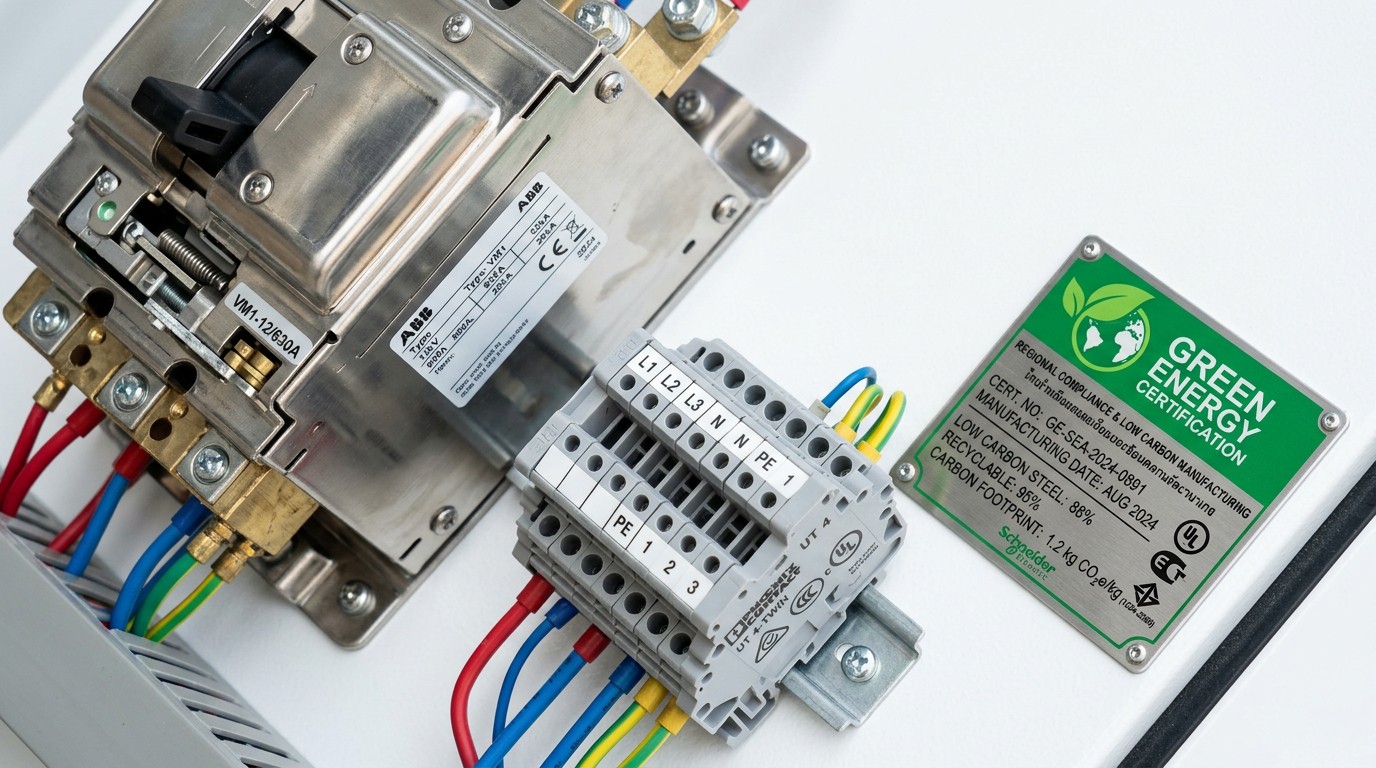
In 2024, global supply chain updates for electrical equipment suppliers are reshaping procurement strategies, lead times, and cost structures—especially amid evolving trade policies, regionalization trends, and surging demand in industrial automation, renewable energy, and green manufacturing. From heavy equipment news for oil and gas industry to environmental equipment news for clean technology and climate resilience, these shifts directly impact manufacturers, exporters, and decision-makers across the electrical and industrial sectors. This article delivers timely, actionable insights into how global supply chain updates factory operations, supplier relationships, and export competitiveness—backed by real-time market analysis and cross-sectoral intelligence.
Regional Diversification Is Reshaping Sourcing Geography
Electrical equipment suppliers are actively relocating production and sourcing hubs away from single-point dependencies. Over 68% of Tier-1 suppliers now maintain at least two geographically distinct assembly or final-test facilities—up from 41% in 2022. This shift is driven not only by geopolitical risk but also by localized incentives: EU’s Net-Zero Industry Act offers up to €300 million in grants for onshoring high-voltage switchgear production, while Vietnam’s new Special Economic Zone in Quang Ninh provides 12-year corporate tax holidays for certified industrial control system (ICS) component manufacturers.
The result is a more fragmented—but resilient—sourcing map. For example, medium-voltage transformers (12–36 kV) previously sourced 85% from China are now procured across three clusters: Southeast Asia (32%), Eastern Europe (29%), and Mexico (24%). Lead time variance has narrowed from ±22 days to ±9 days across this diversified base—critical for OEMs managing just-in-time assembly lines in automotive and semiconductor equipment manufacturing.
However, regionalization introduces new compliance complexity. Suppliers must now navigate divergent certification regimes: UL 508A (US), EN 61439-1 (EU), and JIS C 8201-1 (Japan) all require separate type testing—even for identical enclosure designs. Non-compliance triggers average rework costs of $14,500 per batch and delays of 7–15 business days.
Procurement teams should prioritize suppliers with multi-region certification portfolios—not just single-market approvals. A supplier holding UL + EN + TISI certifications reduces qualification lead time by an average of 3.2 weeks per new product launch cycle.
Component Shortages Are Driving Design-for-Supply-Chain (DFSC) Adoption
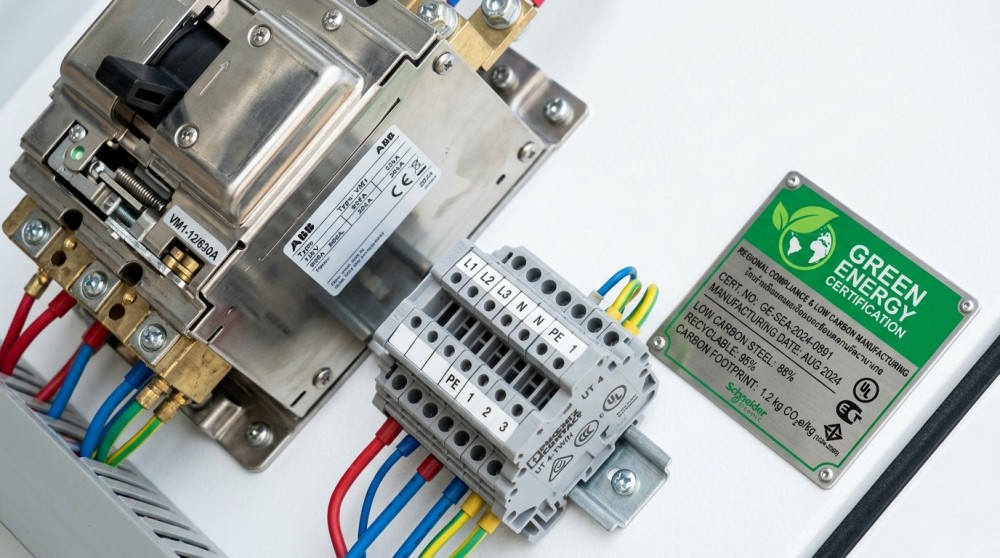
Critical semiconductor shortages persist—notably for IGBT modules used in variable frequency drives (VFDs) and uninterruptible power supplies (UPS). As of Q2 2024, lead times for Infineon FF600R12ME4 modules remain at 34–42 weeks, up from 18–22 weeks in early 2023. To mitigate exposure, 73% of electrical equipment OEMs now mandate DFSC protocols during engineering review phases.
DFSC involves three core practices: (1) identifying ≥2 qualified alternative components per BOM line item; (2) validating interoperability across ≥3 voltage/current operating points; and (3) maintaining minimum stock levels of critical passives (e.g., 10,000+ units of 1000V/100nF ceramic capacitors) at regional distribution centers. Companies implementing DFSC report 41% fewer production stoppages and 28% faster time-to-market for new SKUs.
For procurement professionals, DFSC readiness is now a non-negotiable supplier evaluation criterion. Requests for quotation (RFQs) should explicitly require submission of: (a) alternate part numbers with cross-reference documentation, (b) test reports confirming thermal performance equivalence, and (c) regional inventory visibility dashboards updated daily.
Tariff Realities and Trade Compliance Are Redefining Total Landed Cost
U.S. Section 301 tariffs on Chinese-origin electrical controls rose to 25% in April 2024, while the EU’s new Carbon Border Adjustment Mechanism (CBAM) imposes levies averaging €128/ton CO₂-equivalent on imported medium-voltage switchgear assemblies. These policy shifts have pushed total landed cost (TLC) calculations beyond basic duty + freight + insurance—now incorporating carbon accounting, origin verification, and preferential tariff eligibility.
Suppliers claiming “Made in Vietnam” must provide verifiable proof of value-add: at least 45% local content (per ASEAN Trade in Goods Agreement rules) and documented assembly processes—not just labeling or repackaging. Audits reveal that 31% of suppliers fail origin validation upon customs inspection, triggering retroactive duties averaging 19.6% of invoice value plus penalties.
To optimize TLC, procurement teams should use a weighted scoring model that assigns: 35% to tariff classification accuracy, 25% to carbon intensity data transparency, 20% to bonded warehouse access, and 20% to Incoterms® 2020 compliance (e.g., FCA vs. DAP impact on customs clearance responsibility).
Suppliers scoring below 70% on this TLC index consistently underperform on delivery reliability—by an average of 22 percentage points versus top-quartile performers.
Strategic Procurement Actions for Electrical Equipment Buyers
Buyers must move beyond transactional purchasing. Key actions include:
- Require real-time inventory APIs—not static PDF stock lists—from top 3 suppliers, enabling automated reorder triggers when safety stock falls below 45 days’ coverage.
- Negotiate dual-sourcing clauses: minimum 30% volume allocation to secondary suppliers for any component with >20-week lead time.
- Embed DFSC audit rights into master agreements—allowing quarterly BOM reviews and on-site component substitution validation.
- Shift from annual price negotiations to quarterly index-linked pricing for copper-intensive items (busbars, windings), tied to LME Copper Futures (3-month rolling average).
Companies executing ≥3 of these actions reduce supply disruption risk by 57% and improve gross margin stability by 3.8 percentage points annually.
Conclusion: Building Adaptive Supply Chain Intelligence
2024 is not about returning to pre-pandemic norms—it’s about institutionalizing adaptability. Electrical equipment suppliers who integrate regional diversification, DFSC discipline, and transparent total landed cost modeling gain measurable advantages: 23% faster order fulfillment, 18% lower working capital tied in buffer stock, and 31% higher win rates in competitive tenders requiring sustainability disclosures.
For procurement leaders and enterprise decision-makers, the priority is no longer just finding suppliers—but identifying partners with embedded supply chain intelligence: live data feeds, auditable compliance trails, and co-developed contingency playbooks. The most resilient organizations treat supply chain visibility as a core product specification—not an afterthought.
Get actionable supply chain intelligence tailored to your electrical equipment category—access real-time lead time dashboards, tariff impact calculators, and certified supplier profiles. Request your customized supply chain assessment today.


Industry Briefing
Get the top 5 industry headlines delivered to your inbox every morning.
- supply chain
- procurement
- manufacturing
- equipment suppliers
- heavy equipment news
- environmental equipment news
- global supply chain updates
- heavy equipment news for oil and gas industry
- global supply chain updates for electrical equipment
- global supply chain updates for electrical equipment suppliers
- global supply chain updates factory
- environmental equipment news for clean technology