
Wastewater treatment equipment news where compliance starts to bite

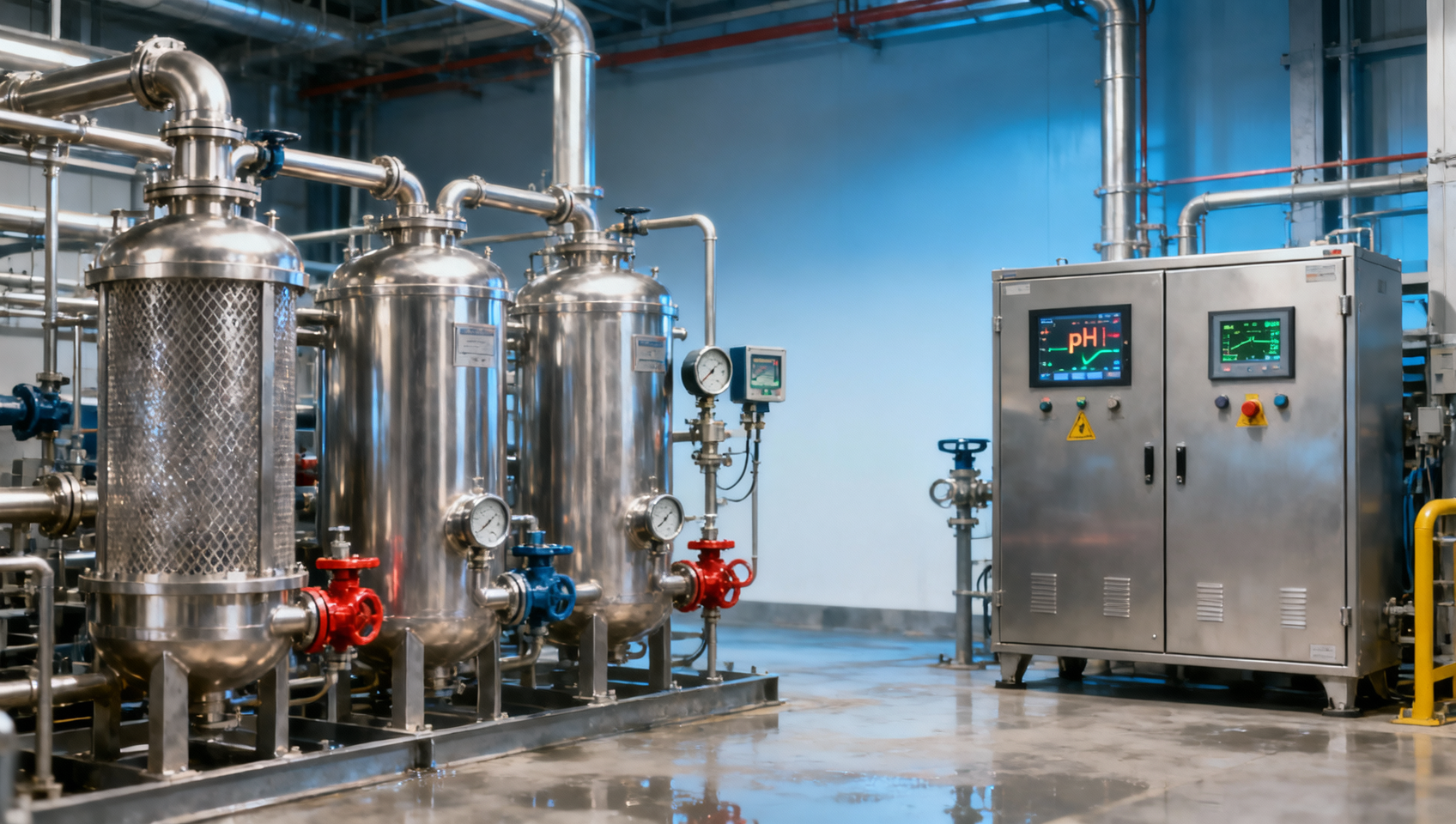
As wastewater rules tighten and enforcement grows sharper, environmental equipment news for wastewater treatment is becoming essential reading for manufacturers, operators, buyers, and decision-makers. From industrial water treatment upgrades to environmental compliance strategies, this update tracks how firms are responding with cleaner processes, smarter monitoring, and cost-aware investments that support sustainable production while reducing operational risk.
Why wastewater treatment equipment news is moving from optional reading to operational priority
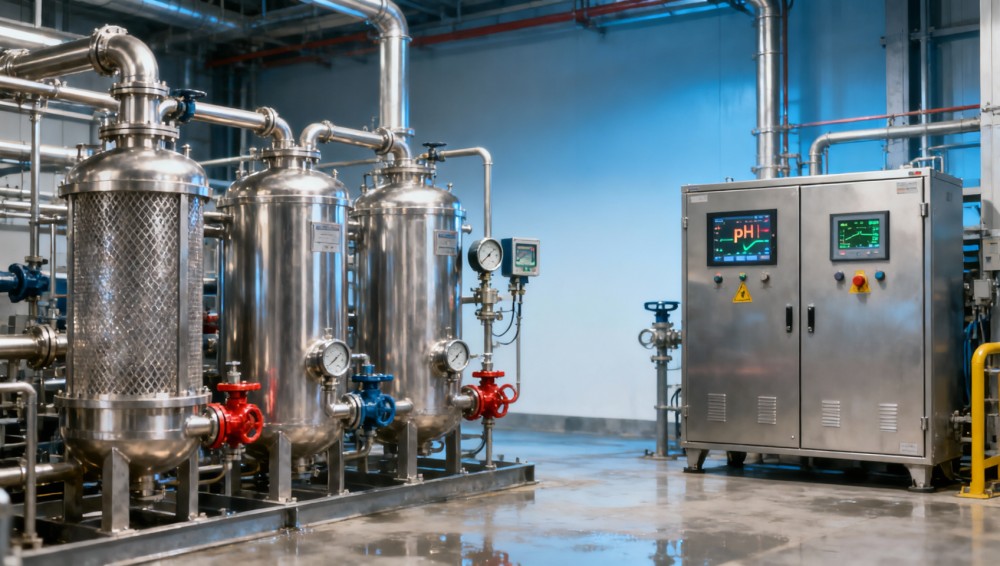
For many plants, wastewater treatment equipment news is no longer a niche environmental topic. It now influences production continuity, permit risk, maintenance planning, procurement timing, and export readiness. In manufacturing, processing machinery, industrial equipment, and electrical supply chains, a compliance issue can move from a discharge warning to a cost event within 30–90 days if corrective action is delayed.
Information researchers watch policy interpretation and market signals because wastewater rules increasingly affect investment cycles. Operators care about equipment stability, alarm response, sludge handling, and downtime. Procurement teams need to compare solution life-cycle value rather than only initial price. Business decision-makers focus on whether an upgrade can reduce regulatory exposure over the next 12–36 months while supporting sustainable production targets.
This shift is also changing what counts as useful industry reporting. News coverage is most valuable when it connects policy updates, technology changes, price trends, and supply chain intelligence. A portal that follows manufacturing equipment markets, component sourcing, electrical systems, company updates, exhibitions, and export trade developments can help readers judge not only what changed, but what action should come next.
In practice, firms are not all reacting the same way. Some are retrofitting pH control, filtration, and chemical dosing to meet tighter discharge limits. Others are adding digital monitoring, flow equalization, or modular treatment skids to manage variable loads. The common question is not whether wastewater treatment matters, but which compliance steps should be taken first and how fast they should be implemented.
What is driving the urgency now?
- More frequent inspections and sharper enforcement make legacy systems harder to defend, especially where records, alarms, and sampling logs are incomplete.
- Variable production schedules create inconsistent wastewater loads, which can push older treatment units outside normal design ranges within a single shift.
- Procurement delays of 8–16 weeks for pumps, controls, membranes, valves, and analyzers mean buyers need earlier planning than before.
- Customer audits and export trade expectations increasingly look at environmental management as part of supplier risk evaluation.
Where compliance pressure shows up first in industrial wastewater treatment
Compliance pressure rarely starts with a major plant shutdown. It usually appears first in small warning signs: unstable pH, overloaded clarifiers, chemical consumption drifting upward, poor sludge dewatering, or manual sampling records that cannot explain process variation. These signals matter because they often indicate a mismatch between current wastewater treatment equipment and present-day production loads.
Across mixed industrial sectors, three areas tend to attract early attention. The first is pretreatment reliability, especially in facilities with oils, suspended solids, heavy cleaning cycles, or intermittent discharge peaks. The second is monitoring quality, including online pH, conductivity, turbidity, flow, and alarm logging. The third is operating discipline, such as calibration frequency, chemical storage control, and preventive maintenance intervals of 1 month, 1 quarter, and 1 year.
For operators, the challenge is practical. A treatment line can appear functional during average loads yet fail during a 2–4 hour peak. For procurement teams, this means vendor evaluation should not stop at nameplate capacity. They need to ask whether the equipment can absorb flow swings, contamination spikes, and utility interruptions without repeated non-compliance events.
For decision-makers, the real risk is cumulative. A plant that postpones wastewater upgrades may still run for months, but it often pays later through emergency service, rushed component replacement, overtime, temporary hauling, or production constraints. That is why wastewater treatment equipment news that links enforcement, technology updates, and sourcing trends has become a planning tool rather than a general information feed.
Typical weak points by facility type
The table below summarizes where wastewater compliance pressure commonly appears first in industrial settings. It is designed to help researchers, users, and procurement teams connect operational symptoms with likely upgrade priorities.
The key lesson is that compliance failures are usually process failures before they become legal failures. Plants that act at the warning-sign stage can often phase upgrades over 2–3 steps instead of making a rushed full replacement under pressure.
A practical 4-step review for plant teams
- Map wastewater sources by process line, cleaning cycle, and shift pattern.
- Check whether the current treatment system handles average flow only or true peak load conditions.
- Review monitoring coverage, calibration intervals, alarm history, and record retention.
- Prioritize the lowest-cost intervention that reduces compliance risk within the next 3–6 months.
How buyers should compare wastewater treatment equipment under tighter rules
When compliance starts to bite, procurement pressure rises fast. Buyers are asked to source wastewater treatment equipment that meets discharge expectations, fits plant constraints, and stays serviceable under real operating conditions. The problem is that many quotations still focus on headline capacity or single-point price. That leaves users exposed to hidden costs in chemicals, maintenance labor, spare parts, controls, and operator training.
A stronger comparison method begins with three core indicators: wastewater profile, operating stability, and compliance documentation. Wastewater profile covers flow range, contaminant type, solids loading, pH variation, and temperature range. Operating stability includes automation level, spare parts access, power demand, cleaning frequency, and failure response. Compliance documentation means drawings, manuals, instrument list, calibration plan, and acceptance checkpoints.
In many cases, the right solution is not the largest system but the most controllable one. A modular skid may be better than a fixed oversized installation where future load changes are uncertain. Likewise, adding pretreatment and monitoring can sometimes reduce compliance risk more effectively than replacing the full line. Buyers should therefore compare retrofit paths, phased expansion, and complete replacement side by side.
This is where market analysis and supply chain intelligence matter. Price trends in pumps, dosing units, instrumentation, electrical control components, and imported parts can change project economics over 1–2 quarters. Buyers who track industry news, policy interpretation, and supplier developments can time RFQs more effectively and avoid avoidable procurement compression.
Selection criteria that support both compliance and operations
The comparison table below can be used by procurement teams when evaluating wastewater treatment equipment suppliers, retrofit proposals, or turnkey bids for industrial facilities.
A useful buying rule is to compare at least 5 items on total delivered value: equipment scope, controls, commissioning, consumables, and spare-part support. If any quotation is vague on two or more of these items, the risk of post-installation cost escalation is usually high.
Questions procurement should ask before issuing an order
- What influent range was used for sizing, and does it reflect actual plant peaks rather than weekly averages?
- Which components have the longest lead times, commonly 6–12 weeks, and what are the approved substitutes?
- What operator skill level is assumed, and how many training sessions are included during start-up?
- What acceptance checks will be completed on site, and which results must be documented for handover?
Compliance, standards, and implementation: what operations teams should prepare for
Wastewater compliance is not only about buying equipment. It is also about preparing a plant to operate that equipment consistently. In industrial facilities, this means aligning process conditions, utility supply, chemical handling, sampling practice, operator training, and maintenance routines. A good wastewater treatment system can still underperform if the implementation process is rushed or if site responsibilities remain unclear.
Most projects work better when implementation is divided into 3 stages. Stage one is diagnostic review: influent mapping, process survey, utility check, and compliance gap screening. Stage two is engineering and procurement: equipment confirmation, control logic, civil and piping preparation, and delivery sequencing. Stage three is commissioning: wet testing, alarm verification, operator training, and acceptance documentation over several operating cycles rather than one short trial.
Where standards are concerned, plants should avoid assuming one universal rule set. Requirements vary by jurisdiction, industry process, and discharge route. However, common expectations remain consistent: traceable monitoring, documented operating procedures, safe chemical handling, electrical conformity, and evidence that the system can maintain stable treatment under intended loads. For buyers, this means the paperwork package matters almost as much as the mechanical package.
A portal that combines policy interpretation, industry news, technology updates, company developments, and export trade information can support this stage well. It helps teams understand not only what equipment exists, but how supplier conditions, regulatory direction, and component availability may affect the implementation path over the next 4–12 weeks.
A practical implementation checklist
- Confirm influent quality variation by shift, cleaning cycle, and seasonal operating pattern before final equipment sign-off.
- Verify site utilities including power, compressed air if required, water supply, drainage elevation, and control cabinet environment.
- Set calibration and inspection intervals for sensors, pumps, dosing lines, and key valves, commonly weekly checks and monthly records review.
- Define 6 acceptance items in advance, such as alarm logic, interlock operation, flow stability, pH response, sludge discharge, and operating documentation.
Common implementation mistakes
One common mistake is sizing equipment from limited sampling data collected on a normal day while ignoring cleaning periods or irregular batches. Another is buying online analyzers but failing to assign calibration responsibility. A third is treating operator training as a one-time handover event rather than a repeating discipline over the first 2–8 weeks of operation.
Plants also underestimate documentation. During inspections or customer audits, missing logs and undefined response procedures can create as much concern as marginal treatment performance. Strong implementation therefore combines hardware, records, and routines into one compliance-ready operating model.
FAQ: what researchers, users, buyers, and decision-makers ask most about wastewater treatment equipment
How do we know whether to retrofit or replace an existing wastewater treatment system?
Start by checking 4 points: current compliance gaps, mechanical condition, control capability, and future load growth. If tanks and core structures remain usable but monitoring, dosing, or solids handling are weak, a retrofit may be enough. If the existing line cannot manage peak flow, has repeated failures, and lacks documentation, full replacement or modular expansion may be the safer option over a 2–5 year horizon.
What delivery timeline is realistic for industrial wastewater treatment equipment?
It depends on scope and component sourcing. For smaller upgrades such as dosing skids, panels, or instrumentation, lead times may be around 2–6 weeks. For integrated treatment packages with tanks, pumps, electrical cabinets, and commissioning, 8–16 weeks is a common planning range. Imported instruments, membranes, or specialized controls can extend that timeline, so early confirmation is important.
Which parameters should operators watch most closely day to day?
The answer varies by process, but most industrial sites should track flow, pH, turbidity or solids-related indicators, chemical usage, sludge condition, and alarm events. These values are useful because they reveal not just output quality but treatment stability. A system that meets targets today but shows drifting chemical demand or unstable pH often signals a near-term problem.
What is the biggest procurement mistake under compliance pressure?
The biggest mistake is buying only against immediate discharge anxiety. Under pressure, teams may choose the first available supplier without checking documentation depth, spare-part lead times, control logic, or operator support. That can solve the short-term issue but create recurring maintenance and audit problems. A better approach is to compare at least 3 suppliers or 3 solution paths, even under a compressed schedule.
How can industry news help before a purchase is made?
Timely wastewater treatment equipment news helps buyers understand more than product features. It reveals policy direction, price movement, technology maturity, supplier activity, exhibition trends, and export-related factors. That context helps teams decide whether to buy now, phase a project, request alternatives, or adjust specifications before issuing RFQs.
Why choose us for wastewater treatment equipment intelligence and sourcing support
For industrial readers, useful wastewater treatment content must do more than repeat general environmental headlines. It should connect equipment news with market analysis, policy interpretation, technology updates, company developments, exhibition signals, export trade changes, and supply chain intelligence. That is the value of a portal focused on manufacturing and processing machinery, industrial equipment and components, and electrical equipment and supplies.
We help information researchers identify what is changing, why it matters, and which topics deserve deeper follow-up. We help operators understand which technology updates are operationally relevant. We help procurement teams compare solution paths, component availability, and likely lead-time risks. We help decision-makers screen opportunities and risks faster, especially when compliance, production continuity, and budget must be balanced within one project window.
You can contact us for practical support on parameter confirmation, wastewater treatment equipment selection, delivery cycle review, retrofit versus replacement comparison, control and monitoring options, documentation expectations, certification-related questions, and quotation communication. If your project involves multiple suppliers, urgent timelines, or uncertain specifications, we can also help structure the information needed for a clearer RFQ process.
If you are tracking compliance risk now, the best next step is to organize your plant data into three groups: wastewater profile, current equipment condition, and project timing. With that base, it becomes much easier to compare options, request targeted proposals, and move from general wastewater treatment equipment news to a decision that supports both compliance and operational stability.

Industry Briefing
Get the top 5 industry headlines delivered to your inbox every morning.