
What green technology equipment news is worth your time

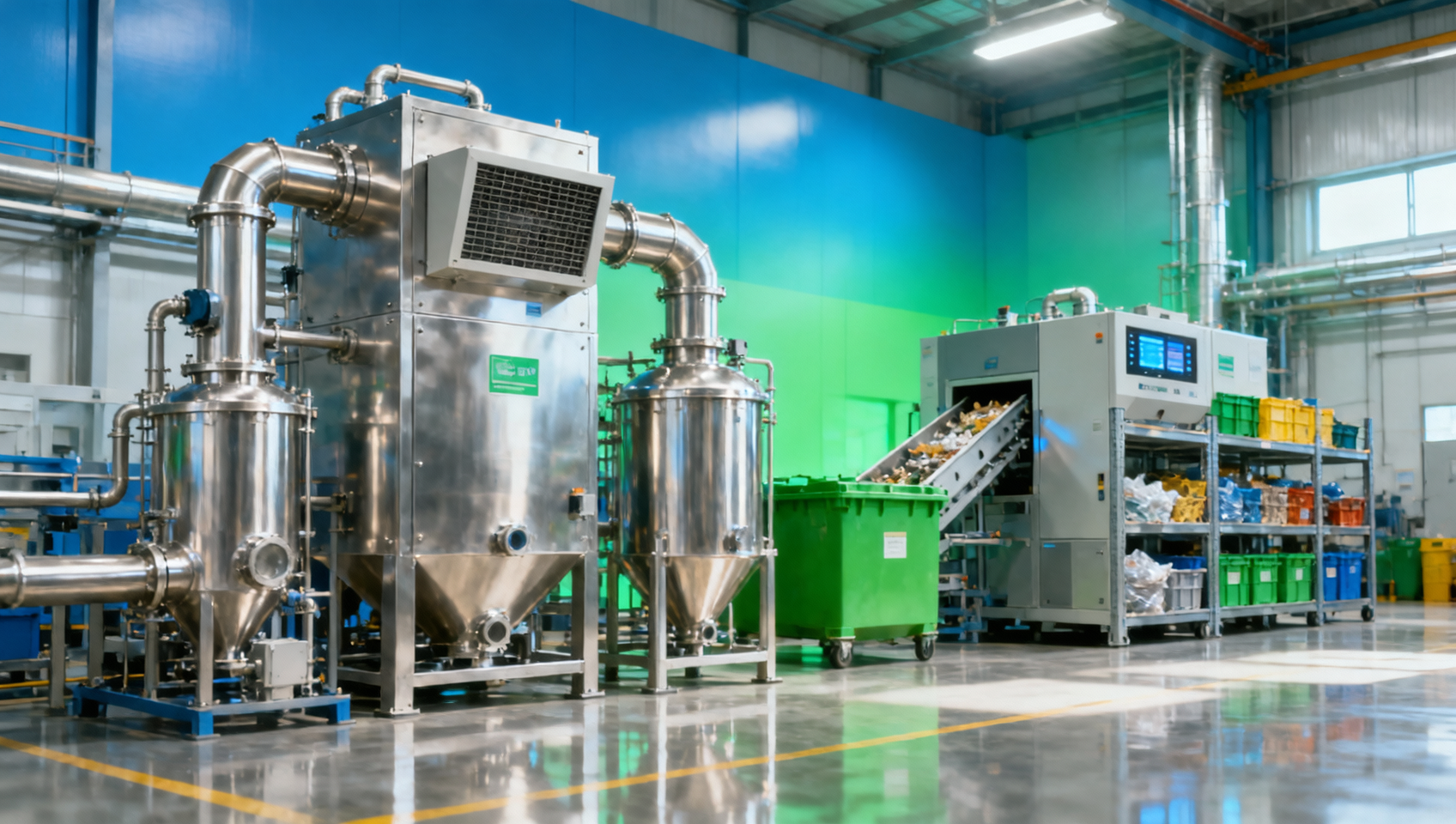
Staying informed on environmental equipment news for green technology can help buyers, operators, and decision-makers spot real opportunities in waste management, energy efficiency, recycling, and wastewater treatment. This roundup highlights the latest environmental equipment news and updates shaping industrial applications, air pollution control, and sustainable development, so you can quickly focus on the trends, technologies, and market signals that truly matter.
For most readers searching what green technology equipment news is worth your time, the real question is not how much news exists, but which updates actually affect purchasing, operations, compliance, and long-term investment. The most valuable environmental equipment news today is the kind that helps you judge whether a technology is becoming commercially viable, whether regulations are changing equipment demand, and whether suppliers can deliver dependable performance at scale. In practice, that means paying closest attention to wastewater treatment systems, air pollution control equipment, recycling and sorting technologies, industrial energy-efficiency upgrades, and the policy and supply-chain signals behind them.
Which green technology equipment news matters most right now?
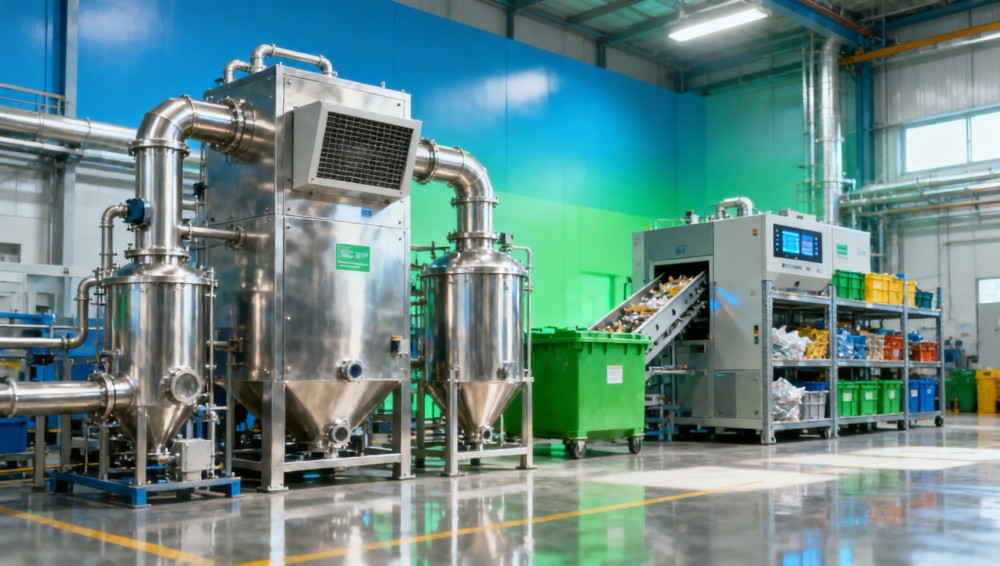
If you only have limited time, focus on news that changes one of five business variables: operating cost, regulatory risk, equipment reliability, supply availability, or payback period. That filter immediately removes a lot of low-value headlines and puts attention on developments with real industrial consequences.
At the moment, the most useful green technology equipment news usually falls into these categories:
- Wastewater treatment upgrades such as membrane systems, sludge reduction equipment, reuse solutions, and intelligent monitoring platforms.
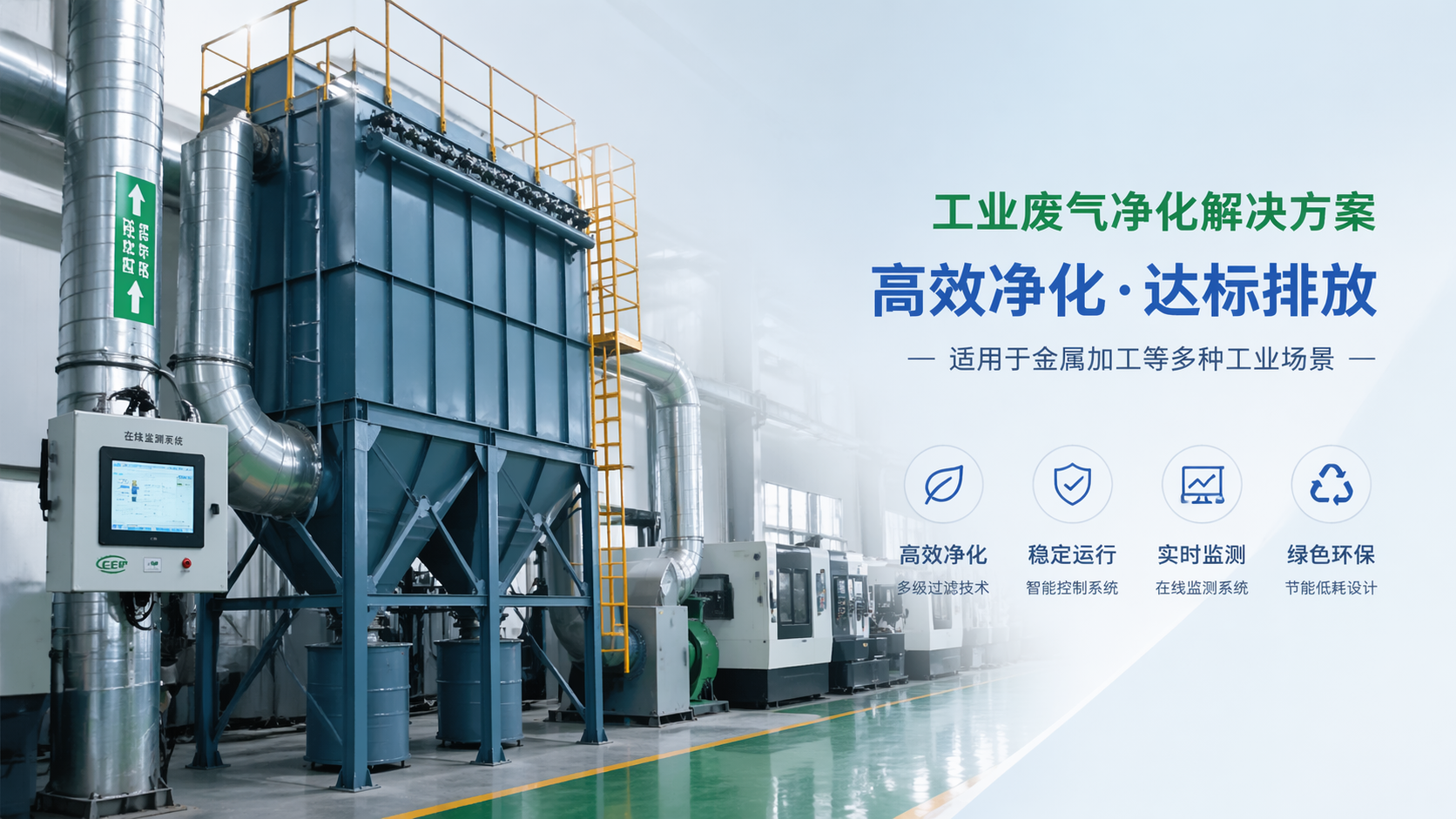
- Air pollution control innovations including dust collection, VOC treatment, desulfurization, denitrification, and continuous emissions monitoring systems.
- Recycling and resource recovery equipment such as optical sorting, shredding, metal separation, plastics reprocessing, and e-waste treatment lines.
- Energy-efficiency equipment including high-efficiency motors, industrial heat recovery, smart controls, variable frequency drives, and low-energy pumping systems.
- Policy-driven demand shifts where emissions rules, wastewater discharge limits, carbon targets, or green manufacturing standards directly change procurement priorities.
These areas matter because they connect directly to industrial budgets and compliance decisions. For buyers and business leaders, the value of news lies in whether it signals a technology moving from pilot-stage promise to practical deployment.
How can buyers tell whether a technology update is commercially meaningful?
Not every technology update deserves action. Many announcements sound impressive but have little near-term impact on procurement or plant operations. A commercially meaningful update usually shows at least three signs.
First, there is evidence of repeatable industrial use. If equipment is being adopted across multiple plants, sectors, or regions rather than in a single demonstration project, it is more likely to be worth tracking. Case studies, retrofit examples, and reference installations matter more than broad claims.
Second, the update improves economics. Buyers should look for metrics such as reduced energy consumption, lower chemical usage, less downtime, smaller labor requirements, or improved recovery rates. Green technology becomes relevant faster when it lowers total cost of ownership rather than simply adding sustainability language.
Third, the supplier side is becoming stronger. If there are more component sources, better lead times, stronger service networks, or expansion in export availability, the equipment category is becoming easier to adopt. This is especially important in industrial equipment and components markets, where serviceability and spare parts often matter as much as initial purchase price.
A practical question to ask when reading equipment news is simple: Would this update change my shortlist, budget assumption, or implementation timeline? If the answer is no, it may be interesting but not urgent.
What are operators and plant users paying attention to?
For operators, the best environmental equipment news is not abstract sustainability messaging. It is information that helps them run systems more reliably, safely, and efficiently. That means updates about equipment performance under real working conditions are especially valuable.
Plant users often care most about:
- Maintenance frequency and ease of servicing
- Energy and consumables usage
- Automation and remote monitoring functions
- Downtime risk and spare parts access
- Compatibility with existing lines or utilities
- Operator safety and compliance support
For example, news about a new wastewater treatment package is useful only if it also indicates sludge handling requirements, membrane fouling control, chemical dosing needs, footprint, or integration complexity. Similarly, air pollution control equipment updates become more relevant when they include maintenance intervals, pressure drop, filter replacement cycles, and emissions stability under fluctuating loads.
In other words, operators value applied information. The more closely news is tied to uptime, process stability, and practical troubleshooting, the more worth their time it becomes.
Why policy and compliance news often matters more than product launches
Many readers naturally focus on new products, but in environmental equipment markets, policy interpretation often has a bigger impact than product announcements. Changes in discharge rules, local emissions enforcement, carbon reduction programs, waste sorting regulations, or green factory standards can quickly alter equipment demand.
That is why procurement teams and decision-makers should watch not just technology updates, but also the regulatory timeline behind market adoption. A modest technical improvement may become highly important if new compliance pressure makes upgrades unavoidable. On the other hand, an advanced system may remain a niche option if policy incentives are weak and implementation costs stay high.
Useful policy-related news includes:
- New industrial discharge or emissions limits
- Subsidies or financing support for cleaner equipment
- Mandatory recycling, waste reduction, or energy-efficiency targets
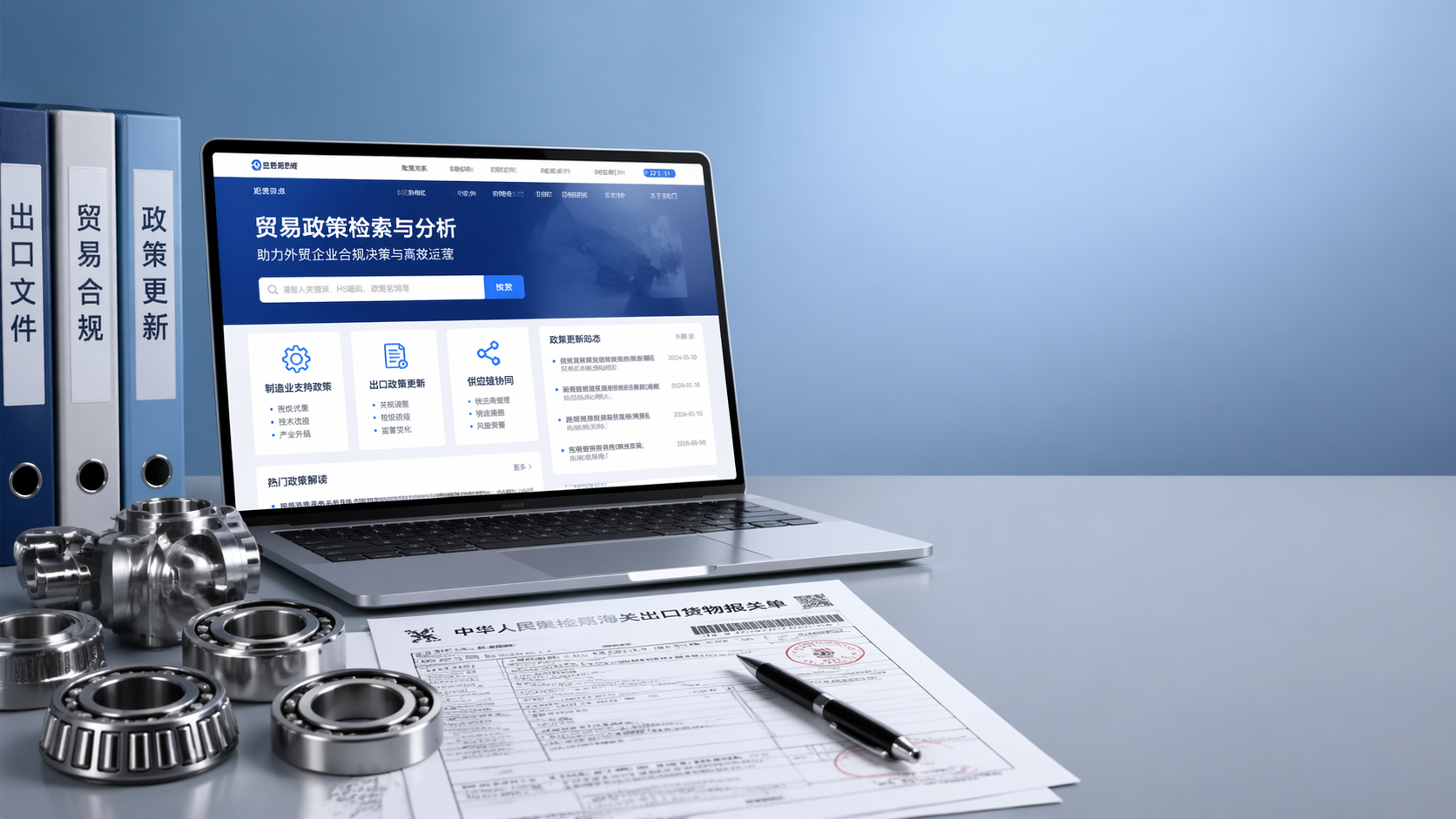
- Export trade rules affecting environmental equipment sourcing
- Certification, testing, and reporting requirements for installed systems
For enterprises, the key takeaway is clear: regulation often creates the buying window. Technology maturity determines feasibility, but compliance pressure often determines timing.
Which market signals help procurement teams make better equipment decisions?
Procurement teams need more than product features. They need market intelligence that reduces sourcing risk. In green technology equipment, the most useful signals often come from supply chain and pricing trends rather than from promotional claims.
Pay attention to these indicators:
- Lead time shifts for pumps, motors, sensors, membranes, filters, control systems, and fabricated equipment
- Raw material and component price trends affecting total project cost
- Supplier expansion or consolidation that changes bargaining power and service coverage
- Localization of manufacturing that improves delivery speed and after-sales support
- Exhibition coverage and company news that reveal which solutions are moving into mainstream demand
For example, if multiple suppliers are expanding production of industrial filtration components or smart monitoring devices, that may signal growing confidence in the category and improving procurement options. If prices for key components stabilize while regulations tighten, the case for earlier investment becomes stronger.
This is why the best equipment news is often a mix of technology updates, market analysis, supplier developments, and policy interpretation. Decision quality improves when those signals are viewed together, not separately.
How should business leaders prioritize green technology news without wasting time?
Executives and enterprise decision-makers should avoid trying to follow every headline. A better approach is to build a simple prioritization framework around business impact. Ask whether the news affects one or more of the following:
- Revenue opportunity: Can this equipment open access to new customers, projects, or regulated markets?
- Cost reduction: Can it lower utilities, labor, treatment fees, or waste disposal expense?
- Risk control: Can it reduce compliance exposure, shutdown risk, or supplier dependence?
- Strategic positioning: Does it support sustainability commitments, export competitiveness, or brand credibility?
- Operational scalability: Can it be implemented across multiple sites or business units?
News worth executive attention usually comes with clear implications for capital expenditure timing, supplier selection, plant upgrade strategy, or long-term competitiveness. By contrast, broad commentary about the future of sustainability is far less useful unless it connects to measurable industrial choices.
For many firms, the smartest move is not to chase the newest technology first, but to identify which mature green equipment categories are reaching a better balance of compliance value, operational reliability, and return on investment.
What green technology equipment topics deserve the closest watch in the near term?
Looking ahead, several topics are likely to remain especially relevant across manufacturing, industrial equipment, and electrical supply chains.
- Water reuse and zero-liquid-discharge related systems in water-stressed or highly regulated sectors
- Smarter emissions monitoring and control as compliance becomes more data-driven
- Advanced sorting and recycling equipment tied to circular economy and waste reduction goals
- Industrial electrification and high-efficiency drives supporting lower energy intensity
- Digital optimization tools that improve environmental equipment performance and maintenance planning
- Localized supply chain development for critical components used in environmental systems
Readers should also watch where cross-sector adoption is happening. When a technology moves beyond one niche and begins appearing across chemicals, food processing, metals, power, municipal utilities, or general manufacturing, that is often a stronger sign of market relevance than a single breakthrough headline.
Conclusion: focus on news that changes decisions, not just headlines
The green technology equipment news worth your time is the news that helps you make better decisions: what to buy, what to upgrade, what to monitor, and what to postpone. For information researchers, that means separating market-moving developments from noise. For operators, it means prioritizing performance, maintenance, and integration details. For procurement teams, it means watching supplier strength, lead times, and total cost trends. For business leaders, it means focusing on compliance, ROI, and scalable operational value.
In today’s environmental equipment market, the most useful coverage sits at the intersection of technology updates, policy interpretation, market analysis, and supply chain intelligence. If a piece of news does not improve your understanding of cost, risk, implementation, or business opportunity, it is probably not worth much time. If it does, it belongs on your watchlist.

Industry Briefing
Get the top 5 industry headlines delivered to your inbox every morning.