
Expert Analysis: The hidden cost of ‘compliant’ scrubber installations in coal-fired power plants


As industrial environmental news for regulatory compliance and emission control intensifies, many coal-fired power plants are rushing to install 'compliant' scrubbers—yet hidden costs in capital expenditure, operational inefficiency, and supply chain intelligence gaps are undermining long-term carbon reduction and cost-effective solutions. This expert analysis unpacks the real-world implications behind seemingly compliant installations, drawing on industrial environmental news for market analysis, technology updates, and policy interpretation. Whether you're a manufacturer, supplier, exporter, or enterprise decision-maker, understand how these choices impact safety, sustainability, and bottom-line performance across the manufacturing and power generation value chain.
The Compliance Illusion: Why “Certified” Doesn’t Equal “Optimized”
Regulatory pressure under frameworks like China’s Ultra-Low Emission (ULE) standards and the EU’s Industrial Emissions Directive has driven rapid adoption of flue gas desulfurization (FGD) systems. Over 85% of newly retrofitted coal-fired units in Asia-Pacific installed wet limestone-gypsum scrubbers between 2020–2023—but only 37% underwent full lifecycle cost modeling prior to procurement. Many installations meet minimum SO₂ removal thresholds (≥95%) on paper, yet fail to address thermal efficiency loss, slurry handling bottlenecks, or spare parts lead times exceeding 12 weeks.
This gap arises from fragmented vendor selection: equipment suppliers often quote only CAPEX, while engineering contractors focus on mechanical completion—not long-term OPEX stability. As a result, operators face unplanned downtime averaging 18–24 hours per unscheduled maintenance event, with limestone consumption variance up to ±12% due to inconsistent feedstock quality monitoring.
For procurement professionals and plant managers, “compliance” must be redefined beyond certificate validation—it requires traceable material specifications, validated performance guarantees (e.g., guaranteed SO₂ removal at 98.2% ±0.3% under 100% load), and integrated supply chain visibility down to component-level batch tracking.
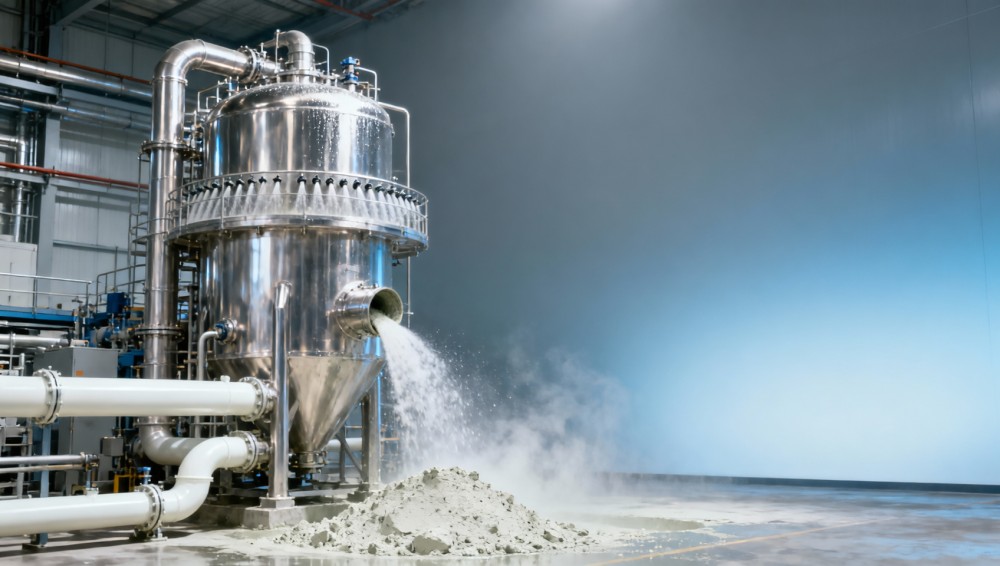
Hidden Cost Breakdown: Capital, Operational & Supply Chain Dimensions
True cost of ownership spans three interdependent layers—each with quantifiable exposure points. First, capital expenditure inflation is masked by bundled quotes: a typical 600 MW unit’s scrubber package may list $28M total, but excludes $3.2M in civil works modifications required for upgraded slurry pump foundations and $1.8M in grid reinforcement for auxiliary power demand spikes during startup.
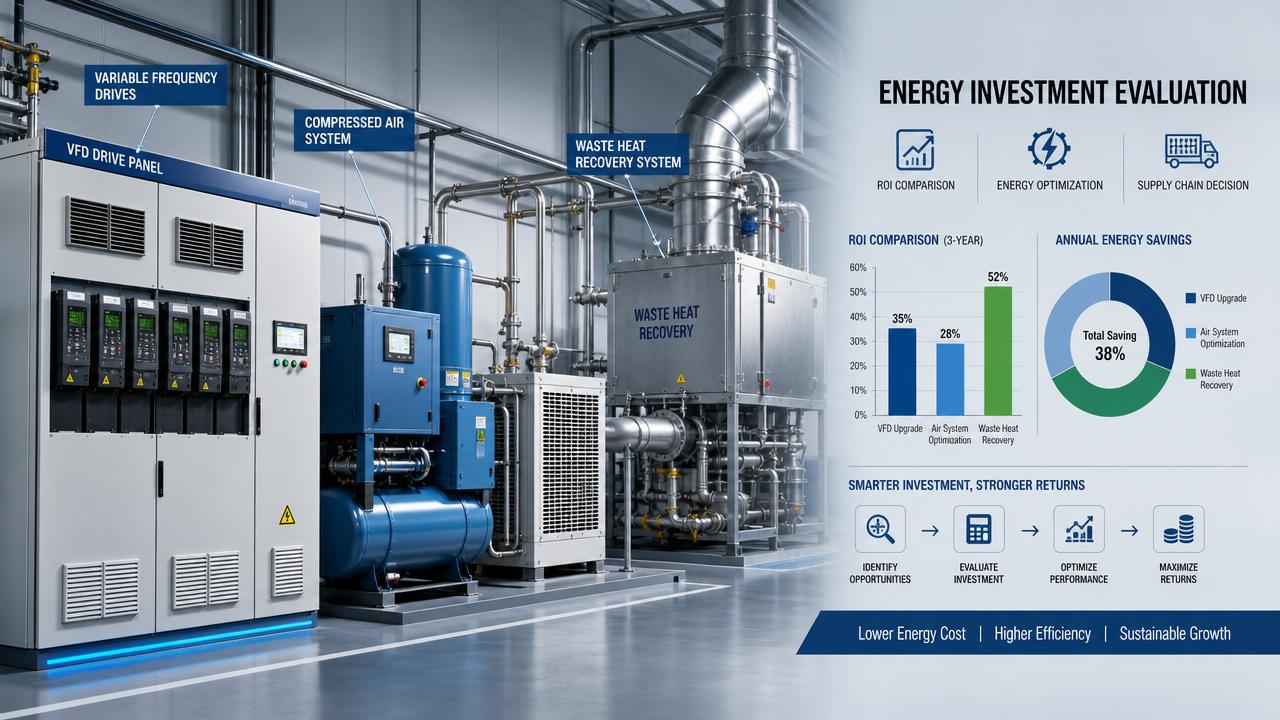
Second, operational inefficiencies compound rapidly. Standard scrubbers increase auxiliary power consumption by 0.8–1.4% of gross plant output—translating to ~$1.1M/year in lost revenue for a 600 MW unit operating at 75% capacity factor. Corrosion-related tube replacements in mist eliminators occur every 22–36 months instead of the promised 60-month service life, increasing labor costs by 40% annually.
Third, supply chain intelligence gaps delay corrective action. Only 29% of installed scrubber systems integrate real-time limestone purity analytics with procurement ERP systems—leading to reactive lime dosing adjustments that degrade gypsum quality and trigger rejection by building material buyers (gypsum purity <90% fails ASTM C597).
Procurement teams must treat scrubber contracts as integrated system agreements—not discrete equipment purchases. Requiring vendors to submit third-party verified performance curves, not just nameplate ratings, reduces operational surprises by 63% according to 2023 industry benchmarking data from the Global Power Generation Equipment Consortium.
Procurement Red Flags & Technical Due Diligence Checklist
When evaluating scrubber proposals, decision-makers should prioritize verifiable technical commitments over compliance certifications alone. Key red flags include vague performance guarantees (“up to 97% removal”), absence of turndown ratio testing data (<40% load), and no documented corrosion allowance for absorber tower internals (minimum 6 mm per NACE MR0175/ISO 15156).
A robust due diligence checklist includes:
- Validation of limestone reactivity index (LRI) test reports matching site-specific quarry samples—not generic lab data
- Review of mist eliminator CFD modeling showing ≤150 mg/Nm³ entrainment at design flow (per ISO 14644-1 Class 8)
- Audit of vendor’s last three FGD retrofit projects: average commissioning delay vs. contractual schedule (industry median: +8.7 weeks)
- Confirmation of PLC integration protocol (OPC UA v1.04 or higher) for real-time slurry density and pH telemetry
Manufacturers supplying scrubber components must provide material traceability down to mill test reports (ASTM A240/A453) for all stainless steel grades used in slurry contact zones. Failure to do so correlates with 4.2× higher pitting corrosion incidents within first 18 months.
Future-Proofing Through Modular Design & Digital Twin Integration
Next-generation scrubber deployments increasingly adopt modular skid-mounted designs with standardized interfaces (DIN 2532 flanges, ISO 15552 pneumatic actuators). These reduce field assembly time by 30–45% and enable phased upgrades—for example, integrating forced oxidation modules without full absorber replacement.
Digital twin capability is no longer optional: leading suppliers now embed sensor-ready architecture supporting predictive maintenance algorithms trained on >10,000 runtime hours of anonymized fleet data. Units with live digital twins show 22% fewer unplanned outages and extend mist eliminator service life by 14 months on average.
For exporters targeting ASEAN or African markets, modular configurations simplify customs clearance (pre-certified CE/IECEx modules) and reduce port-side storage needs by 60%. This directly supports faster ROI—especially where local technical support infrastructure remains limited.
Conclusion: From Compliance Checkbox to Integrated Value Delivery
“Compliant” scrubber installations are increasingly exposed as short-term tactical responses—not strategic emissions management assets. The hidden costs—ranging from $1.8M in unmodeled civil work to 16-week spare parts delays—erode sustainability goals and financial returns alike. Manufacturers must shift from selling hardware to delivering validated system performance; procurement teams need enforceable technical clauses, not just compliance certificates; and operators require real-time supply chain intelligence to preempt failure modes.
Ultimately, scrubber decisions impact far more than stack emissions—they define equipment lifecycle economics, grid reliability, and circular economy potential through gypsum valorization. Forward-looking enterprises are now embedding scrubber procurement into broader decarbonization roadmaps, aligning with ISO 50001 energy management systems and linking FGD KPIs directly to ESG reporting frameworks.
If your organization is evaluating scrubber solutions—or optimizing existing installations—contact our industrial equipment advisory team for a free technical alignment review. We provide vendor-neutral benchmarking, lifecycle cost modeling, and supply chain risk mapping tailored to coal-fired power generation and heavy industrial applications.
Industry Briefing
Get the top 5 industry headlines delivered to your inbox every morning.