
Latest Global Supply Chain Updates for Industrial Equipment in 2026
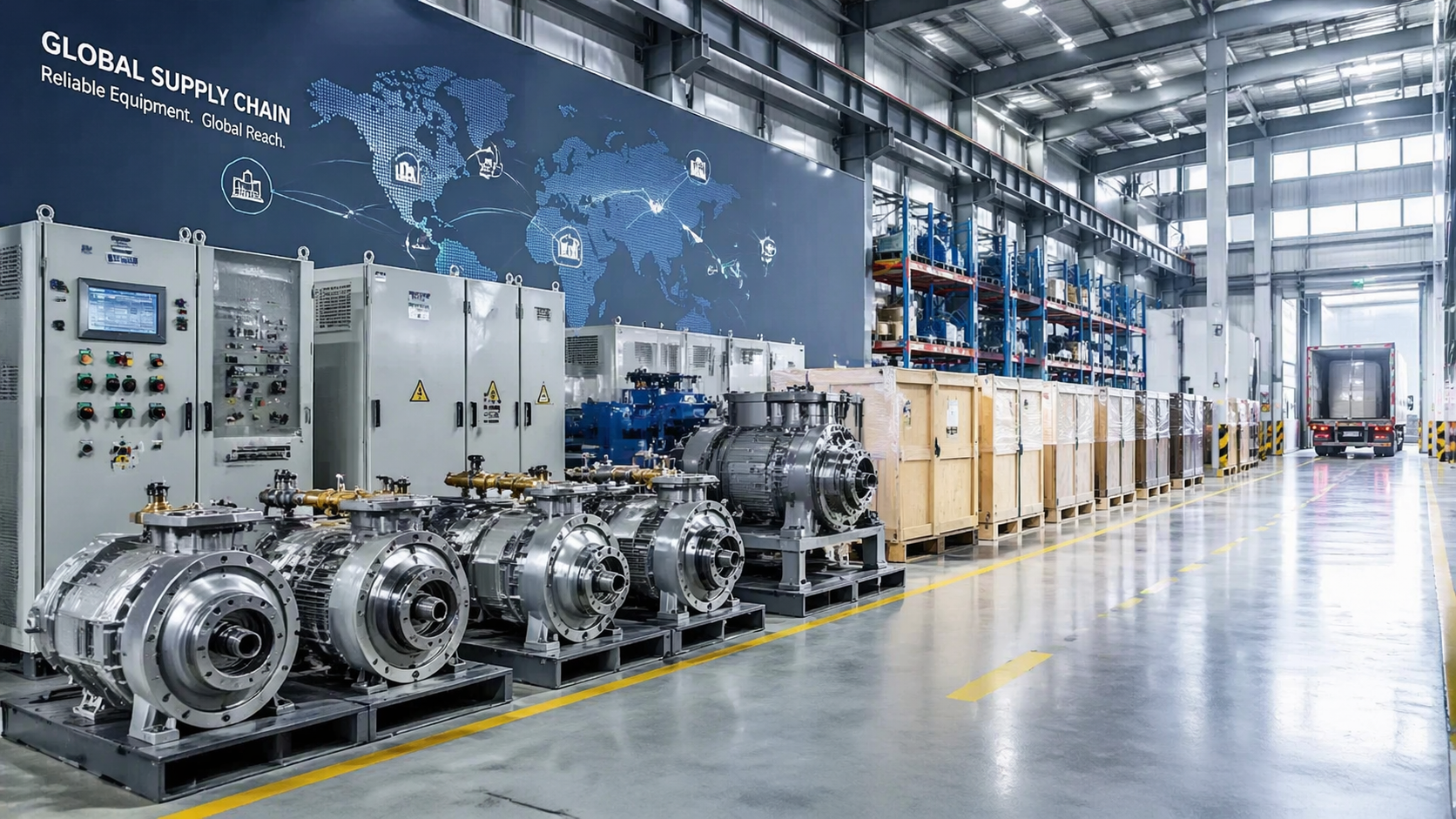
Stay ahead with the latest global supply chain updates for industrial equipment in 2026. From predictive global supply chain updates and real-time global supply chain updates to key shifts in manufacturing, electrical equipment, and heavy machinery trade, this overview helps researchers, operators, buyers, and decision-makers track risks, costs, and opportunities across global markets with clearer, faster insight.
In 2026, the biggest supply chain story for industrial equipment is not a single disruption, but a structural shift: companies are moving from reactive sourcing to risk-managed, data-led supply planning. For buyers and decision-makers, the practical questions are clear: where costs are rising, which regions are becoming more reliable, how policy and freight changes affect lead times, and what actions can reduce procurement and operational risk. Across manufacturing machinery, industrial components, and electrical equipment, the market is showing a mixed pattern of normalization in some routes, continued volatility in critical inputs, and stronger regionalization in supply networks.
What matters most in the 2026 industrial equipment supply chain outlook?
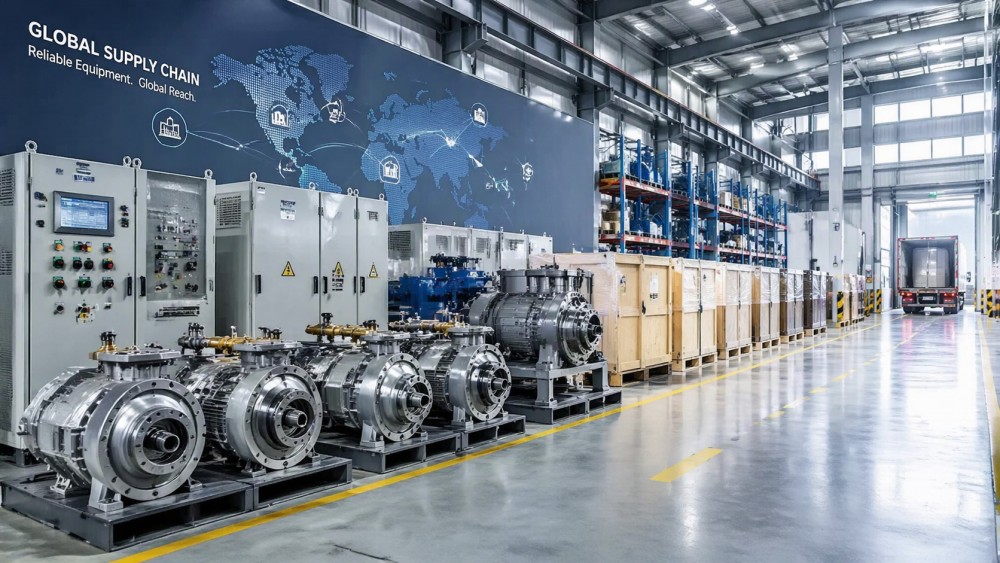
The most useful way to read the latest global supply chain updates is to separate short-term noise from structural change. In 2026, industrial equipment supply chains are being shaped by five high-impact factors:
- Regional diversification: More manufacturers and distributors are reducing dependence on single-country sourcing, especially for motors, control systems, castings, bearings, and electrical assemblies.
- Freight cost rebalancing: Ocean freight has stabilized in some corridors compared with peak disruption years, but inland transport, port handling, and route-specific surcharges still affect total landed cost.
- Long-tail component risk: Complete machines may be available, but small critical parts such as sensors, semiconductors, relays, connectors, and hydraulic components can still create bottlenecks.
- Trade policy pressure: Export controls, local compliance requirements, customs checks, and industrial policy incentives are influencing sourcing decisions as much as price.
- Digital visibility: Real-time global supply chain updates are becoming essential for companies that need faster decisions on inventory, supplier switching, and order timing.
For industrial equipment buyers, this means price alone is no longer a sufficient decision standard. Reliability, replenishment speed, after-sales support, and supplier transparency are now central to procurement strategy.
Where are the main supply chain pressures for manufacturing and processing machinery?
In manufacturing and processing machinery, the supply chain pressure points in 2026 are concentrated in engineered parts, electronic controls, and customized assemblies. Standard equipment categories may show shorter lead times, but made-to-order systems still face delays because they rely on multi-tier supplier coordination.
Several trends stand out:
- Controls and automation modules remain sensitive to semiconductor allocation, firmware compatibility, and certification requirements.
- Large fabricated structures and heavy mechanical components are influenced by steel costs, energy prices, and workshop capacity.
- Precision parts are increasingly affected by labor availability and quality assurance throughput rather than raw material shortage alone.
- Packaging and processing machinery often face project delays because one missing subsystem can hold back final delivery and commissioning.
For operators and plant users, the operational takeaway is simple: spare parts planning matters more than ever. Even when a machine arrives on time, maintenance continuity depends on whether wear parts, electrical replacements, and service support are locally available.
How are electrical equipment and industrial components trade patterns changing?
Electrical equipment and industrial components are seeing a more visible shift toward regional supply ecosystems. Buyers are increasingly balancing East Asia sourcing strengths with alternative supply channels in Southeast Asia, India, Eastern Europe, Mexico, and selected domestic manufacturing bases.
This does not mean a complete relocation of supply. Instead, 2026 is defined by a hybrid model:
- Core volume production remains concentrated in established manufacturing hubs.
- Secondary sourcing is expanding for resilience and negotiation leverage.
- Assembly, testing, and localization are moving closer to end markets.
- Suppliers with multi-country production footprints are gaining strategic value.
For procurement teams, this trend creates both opportunity and complexity. A broader supplier map can reduce dependency risk, but it also requires stronger qualification processes, better documentation control, and more active monitoring of duty exposure, technical standards, and delivery performance.
For decision-makers, one important conclusion from current global supply chain intelligence is that supplier flexibility now has measurable business value. A supplier that can shift output across sites or provide transparent allocation updates may be worth more than a lower-cost but rigid source.
What should buyers and business leaders monitor in real time?
Readers looking for real-time global supply chain updates usually want actionable signals, not just general headlines. In 2026, the most relevant indicators for industrial equipment sourcing include:
- Lead time movement by component category rather than by broad industry label
- Freight and inland logistics changes that alter actual delivered cost
- Port congestion and customs inspection patterns in key trade lanes
- Raw material and energy price shifts that affect quotations for fabricated and electrical products
- Policy announcements related to tariffs, export restrictions, local certification, and industrial subsidies
- Supplier financial and operational stability, especially among smaller specialized component makers
For researchers and market analysts, predictive global supply chain updates are most valuable when they combine historical pattern tracking with forward-looking indicators. It is not enough to know that a category has been delayed; the real advantage comes from identifying whether the pressure is easing, spreading to adjacent categories, or likely to trigger price adjustments in the next quarter.
How can procurement and operations teams reduce risk in 2026?
The most effective response is not overstocking everything. Instead, companies should focus on selective resilience. That means identifying which items are business-critical, difficult to substitute, or likely to cause expensive downtime if delayed.
Practical actions include:
- Segment suppliers by risk, not just spend. A low-cost item with a single-source dependency may deserve more attention than a high-value item with multiple alternatives.
- Build dual-source options for critical components. This is especially important for controls, electrical parts, hydraulics, and application-specific assemblies.
- Track total landed cost regularly. Unit price can look stable while logistics, duties, and compliance costs rise.
- Review service and spare parts availability before purchase. For equipment users, lifecycle support can be more important than initial acquisition cost.
- Use rolling forecasts and shared demand visibility. Suppliers can respond better when they have earlier signals.
- Set trigger points for action. For example, define when lead time extension, freight increases, or policy changes should activate alternative sourcing.
For enterprise leaders, the return on this approach is clearer continuity, fewer emergency purchases, lower production disruption risk, and more confidence in capital equipment planning.
What is the overall market judgment for global industrial equipment supply chains in 2026?
The overall picture is more stable than in peak disruption periods, but not fully predictable. Industrial equipment supply chains in 2026 are operating in a new normal where resilience, visibility, and regional flexibility matter as much as capacity and price. Some categories are improving in lead time and freight balance, yet critical components and policy-sensitive trade flows still require close attention.
For information researchers, the key value lies in tracking category-level shifts rather than relying on broad market narratives. For operators, maintenance continuity and parts access remain top priorities. For procurement teams, supplier diversification and landed-cost analysis are essential. For business decision-makers, the strategic advantage comes from turning supply chain intelligence into earlier, faster decisions.
In short, the latest global supply chain updates for industrial equipment in 2026 point to a market that rewards preparation over reaction. Companies that combine real-time monitoring with predictive judgment will be better positioned to control cost, protect delivery schedules, and capture opportunity in changing global trade conditions.


Industry Briefing
Get the top 5 industry headlines delivered to your inbox every morning.
- heavy machinery
- industrial equipment
- manufacturing machinery
- equipment sourcing
- industrial components
- supply chain
- procurement
- manufacturing
- global trade
- global supply chain updates
- latest global supply chain updates
- global supply chain updates for industrial equipment
- real-time global supply chain updates
- predictive global supply chain updates
- latest global supply chain updates for industrial equipment