
How to Compare CNC Metalworking Machinery for Precision and Throughput

Comparing CNC metalworking machinery for precision and throughput is rarely a simple specification exercise. A machine may offer tight tolerance on paper, yet struggle with thermal drift, unstable cycle times, or poor automation fit once production starts.
That is why careful evaluation matters across today’s industrial supply chain. In sectors tracked by NEXUSINSIGHTS, decisions around machine tools increasingly affect sourcing strategy, process reliability, upgrade timing, and long-term manufacturing competitiveness.
What Precision and Throughput Really Mean in CNC Evaluation
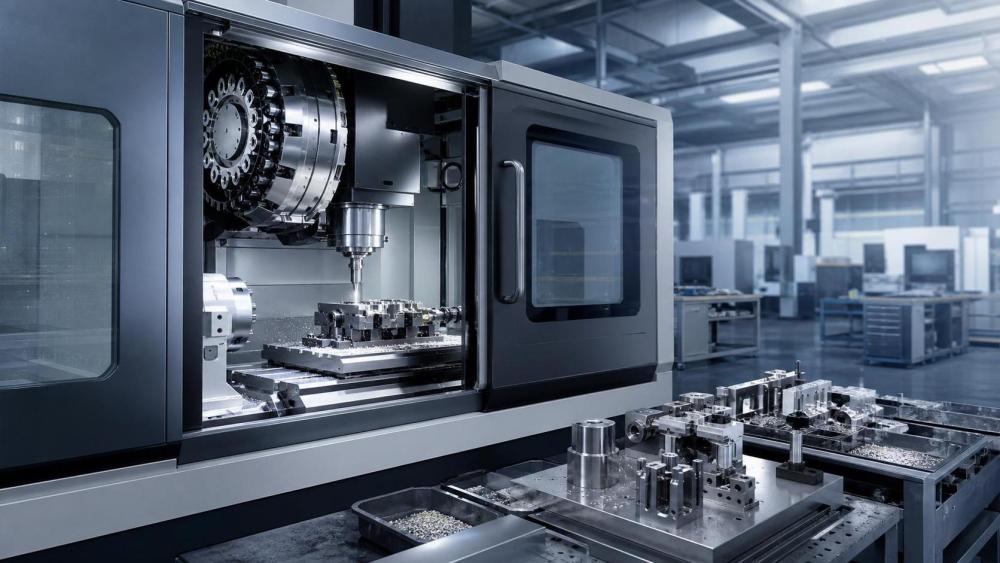
In CNC metalworking machinery, precision is not limited to advertised positioning accuracy. It also includes repeatability, surface finish consistency, geometric stability, and the ability to hold tolerance over long production runs.
Throughput is equally broader than spindle speed or rapid traverse rate. It reflects how many acceptable parts can be produced within a defined period, including setup time, tool changes, inspection pauses, and unplanned stoppages.
A machine that cuts quickly but needs frequent intervention can reduce real output. In the same way, a highly precise platform may underperform if it cannot maintain cycle efficiency under actual shop conditions.
The useful comparison, then, is not precision versus throughput. It is how well both are balanced for the intended material, part geometry, batch size, and downstream process flow.
Why This Comparison Has Become More Critical
Many manufacturing operations now face shorter lead times, wider product variation, and tighter cost control. This pushes CNC metalworking machinery to deliver stable accuracy without sacrificing production pace.
At the same time, equipment decisions are no longer isolated shop-floor purchases. They connect with labor availability, power use, digital integration, spare parts access, and supplier risk across international industrial networks.
This is one reason market intelligence matters. Platforms such as NEXUSINSIGHTS help users read equipment trends in a wider context, including automation adoption, export dynamics, technology upgrades, and supplier development.
When comparison is framed only around nameplate parameters, costly blind spots appear. When it is framed around process performance and supply-chain reality, equipment decisions become more defensible.
Start With the Production Context
Before comparing brands or models, define the production job clearly. CNC metalworking machinery should be matched to the work, not evaluated as if one machine category fits every production environment.
A small-batch job shop, for example, values flexibility, fast setup, and programming efficiency. A dedicated line producing one family of parts may prioritize uptime, automation interfaces, and predictable tool life.
Material also changes the comparison. Aluminum, stainless steel, titanium, cast iron, and hardened steel place different demands on spindle torque, rigidity, chip evacuation, coolant delivery, and vibration control.
Part size and geometry matter as well. Thin-wall components, deep cavities, heavy billets, and multi-face parts each reveal different strengths or weaknesses in CNC metalworking machinery.
Questions that sharpen the baseline
- What tolerance must be held at the end of a full shift, not just during a short demo cut?
- How many setups are required per part family?
- Which operations create the current bottleneck?
- How often must tools, fixtures, or programs change?
- What level of unattended operation is realistically needed?
The Machine Factors That Influence Precision
Precision in CNC metalworking machinery comes from a stack of design decisions, not one feature. Structural rigidity is usually near the top of that stack.
A rigid base, stable column, and well-designed guideway system help the machine resist cutting forces. This reduces chatter, improves dimensional consistency, and supports better surface quality.
Thermal behavior is another major issue. Heat from spindle operation, motors, ambient changes, and coolant can shift geometry over time, especially in high-duty production.
That makes thermal compensation, spindle cooling, and machine warm-up behavior worth close attention. A machine that drifts slowly can still create scrap even when its static accuracy looks impressive.
Motion system quality also matters. Ball screws, linear scales, servo tuning, and feedback systems affect repeatability, contouring, and response under load.
For many applications, spindle characteristics deserve a separate review. Speed range alone tells little without understanding torque at working speeds, runout, bearing design, and behavior under continuous cutting conditions.
What Actually Drives Throughput
High throughput in CNC metalworking machinery is built through accumulated time savings. Small delays repeated across hundreds of cycles often matter more than a headline rapid speed figure.
Tool change time, pallet exchange, probing routines, chip removal, fixture loading, and recovery from alarms all affect output. The control system also shapes throughput through programming ease and cycle optimization functions.
It helps to compare expected output using realistic part programs. Demo parts chosen by suppliers may not reflect difficult cuts, long tools, or inspection requirements seen in production.
Throughput should also be measured as good parts per shift. When aggressive cycle reduction causes higher tool wear or more rejected parts, the apparent gain can disappear.
Useful throughput indicators
Automation, Integration, and Operational Fit
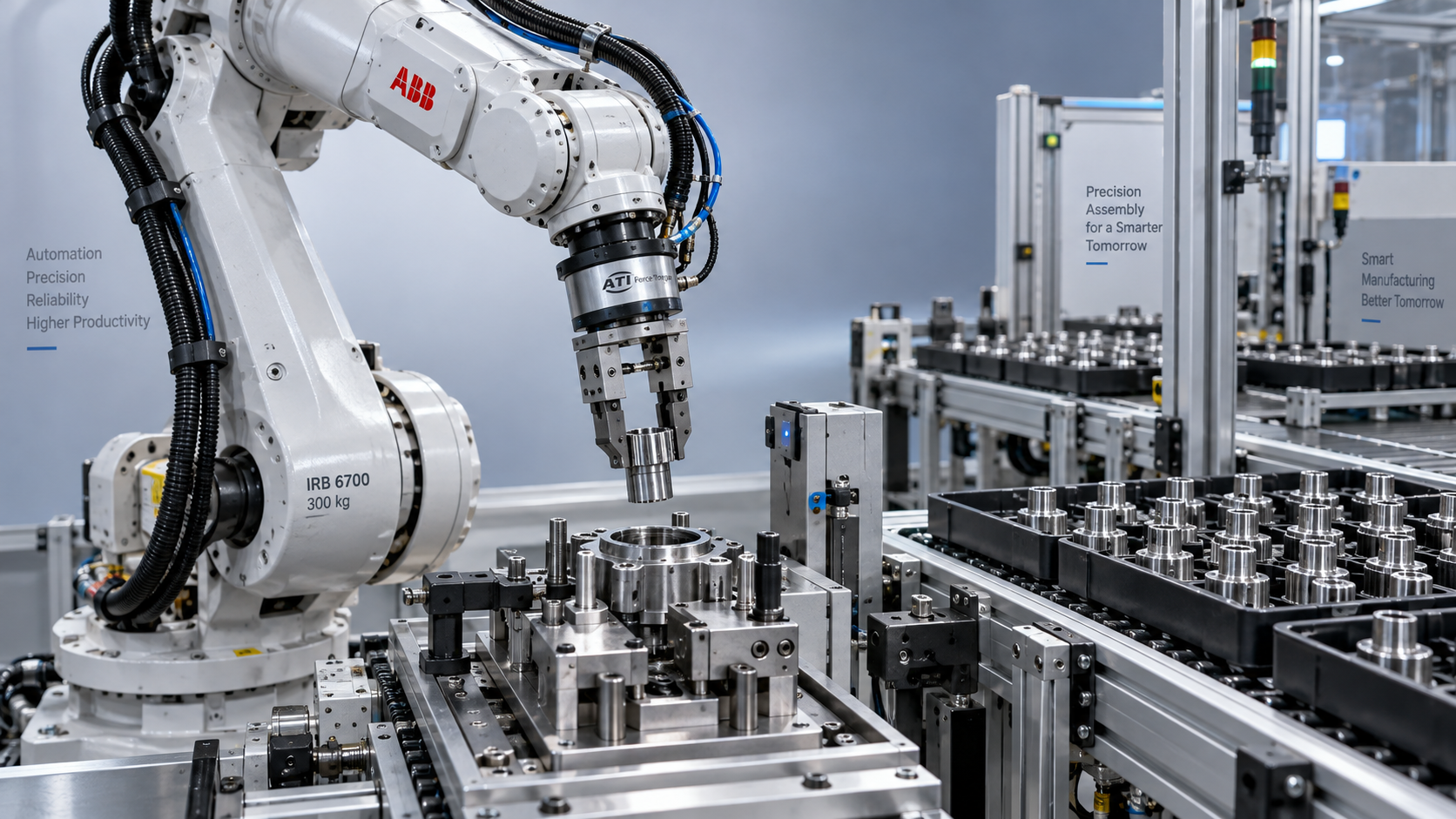
Modern CNC metalworking machinery is often evaluated as part of a wider system. A machine can be mechanically capable yet still underperform if integration with loaders, robots, MES, or inspection systems is limited.
This becomes important when production depends on lights-out running, traceability, or multi-machine coordination. Interface standards, data access, alarm reporting, and remote diagnostics can influence real performance more than expected.
Maintenance access is another practical factor. If routine service, calibration, or replacement of wear parts is difficult, uptime will suffer even with a well-specified machine.
Power quality, compressed air stability, coolant management, and foundation requirements should also be checked early. These site conditions can quietly affect both precision and throughput.
A Practical Way to Compare Candidate Machines
A structured comparison matrix usually works better than reviewing brochures separately. It forces CNC metalworking machinery to be judged against the same operational criteria.
The matrix should include technical, operational, and commercial dimensions. That keeps the evaluation grounded in total process value rather than headline features.
- Tolerance retention across time and temperature change
- Cycle time on representative parts
- Tool life impact under target materials
- Setup complexity and fixture compatibility
- Control usability and programming efficiency
- Automation readiness and data connectivity
- Service support, spare parts lead time, and training depth
- Energy use and expected operating cost
Whenever possible, request test cuts that mirror actual production risks. Real material, realistic tooling, and comparable fixture conditions provide far more useful evidence than generic demonstration runs.
Reading the Market Around the Machine
Equipment comparison is stronger when supported by broader market signals. Supplier expansion, component sourcing resilience, regional policy shifts, and exhibition launches can indicate where CNC metalworking machinery is heading.
This wider view is valuable for upgrade planning. A machine may fit current requirements, yet look less attractive if software support, local service coverage, or automation compatibility is likely to weaken over the next few years.
That is where industrial information platforms have a practical role. NEXUSINSIGHTS supports more informed equipment review by connecting machinery decisions with trade activity, technology movement, and supplier-side developments.
Where to Focus Next
The best comparison of CNC metalworking machinery starts with process reality, then moves outward to machine design, operational efficiency, automation fit, and supplier reliability. Precision and throughput should be tested together because production never experiences them separately.
A useful next step is to define two or three representative part families, score candidate machines against the same criteria, and validate claims with test cuts and lifecycle support checks. That approach creates a clearer basis for decision-making than price or brochure data alone.
Industry Briefing
Get the top 5 industry headlines delivered to your inbox every morning.