
Recycling Equipment News: Cost Risks Behind New System Upgrades

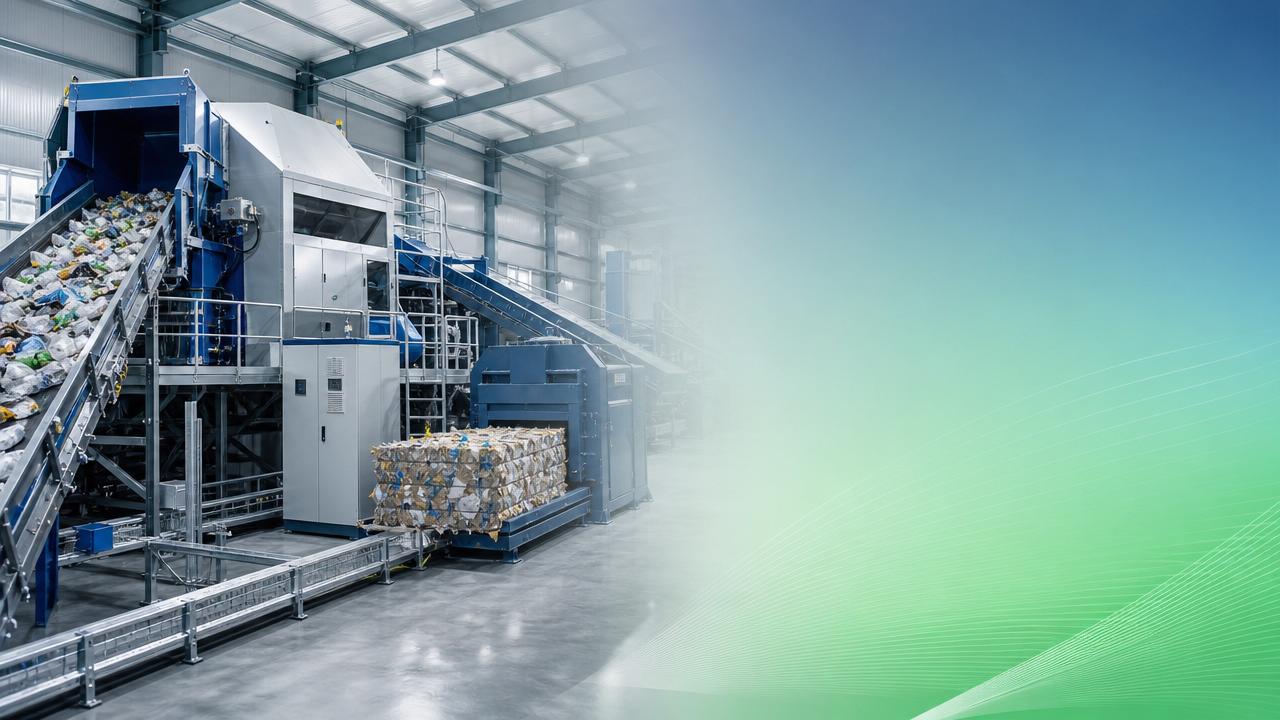
As recycling operators accelerate system upgrades, financial approvers are paying closer attention to hidden cost risks, from installation overruns to long-term maintenance and compliance expenses.
This report in environmental equipment news for recycling industry examines how new equipment investments can affect budgets, cash flow, and return expectations.
For finance-led decision makers, the central question is not whether modernization sounds necessary, but whether the full cost profile supports durable operating gains.
In many cases, new recycling systems do improve throughput, sorting accuracy, and labor efficiency, but the value depends heavily on execution discipline.
The biggest budget failures rarely come from the headline purchase price alone. They usually emerge through integration complexity, utility upgrades, downtime, training, and service dependencies.
That is why approval decisions should be based on total lifecycle cost, implementation risk, and measurable payback under realistic operating conditions.
What finance approvers are really trying to confirm before signing off
When searching environmental equipment news for recycling industry, finance approvers usually want more than product updates or optimistic vendor claims.
They want to know where upgrade budgets typically go off track, which assumptions are often too aggressive, and how to test whether projected savings are credible.
For this audience, the practical concern is straightforward: will a new sorting line, shredding system, baler, or automation package reduce unit cost fast enough to justify capital exposure?
They are also evaluating whether the upgrade creates new fixed costs that weaken flexibility during volatile feedstock pricing or uncertain end-market demand.
In other words, the approval standard is not technical novelty. It is financial resilience under normal, delayed, and underperforming scenarios.
Why the advertised equipment price is only the starting point
One of the most common approval mistakes is treating supplier quotations as a close estimate of project cost. In recycling upgrades, that assumption is rarely safe.
Quoted equipment pricing may exclude civil works, foundations, line modifications, conveyors, electrical distribution, dust control, fire suppression, software interfaces, and commissioning support.
Even when these items are disclosed, they may be shown as optional or owner-supplied, which can distort true cash requirements during budgeting.
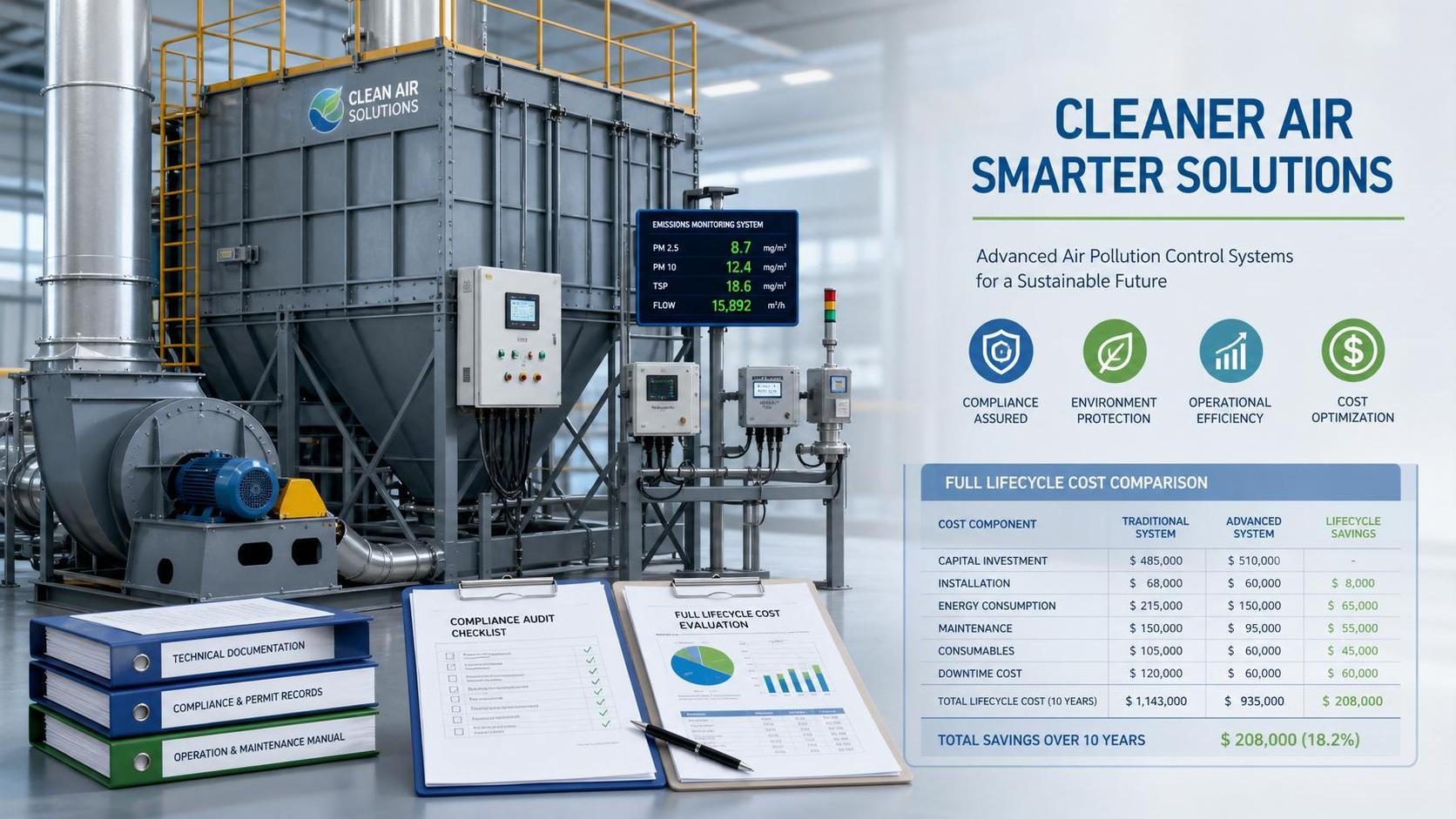
Financial approvers should therefore separate cost evaluation into at least four categories: acquisition, installation, operational ramp-up, and lifecycle support.
Acquisition includes machinery, control systems, sensors, and any mandatory accessories. Installation includes plant preparation, utility expansion, safety systems, and contractor fees.
Ramp-up costs cover training, startup inefficiency, extra scrap, temporary labor overlap, and delayed throughput attainment. Lifecycle support includes maintenance contracts, spare parts, calibration, and software updates.
Without this structure, the project can appear affordable in procurement review but become significantly more expensive by the time it reaches stable output.
Where hidden cost risks usually appear during system upgrades
For financial decision makers, hidden cost risk matters because it directly affects capital timing, working capital pressure, and confidence in forecasted return.
Several cost areas consistently deserve deeper scrutiny before approval, especially in mixed-material or multi-line recycling facilities where integration is more demanding.
The first is site readiness. Older plants often need more electrical capacity, compressed air, ventilation, floor reinforcement, or material flow redesign than initial studies suggest.
The second is interface risk. New equipment may not communicate smoothly with legacy controls, existing conveyors, plant software, or downstream packaging systems.
The third is downtime risk. Installing a higher-capacity line can require shutdown windows longer than planned, reducing revenue and increasing backlog or outsourcing costs.
The fourth is maintenance intensity. Advanced optical sorters, automation modules, and sensor-based systems can improve performance while increasing dependence on specialized parts and technicians.
The fifth is compliance expansion. Upgrades can trigger new requirements involving emissions, dust, noise, worker safety, fire protection, or reporting standards.
Each of these issues can be managed, but they should be priced before approval rather than explained afterward as unavoidable surprises.
How upgrade projects can strain cash flow even when long-term ROI looks positive
A project can make strategic sense on paper and still put uncomfortable pressure on near-term cash flow. This is especially relevant for operators funding multiple improvements at once.
Capital outlays rarely occur in one clean payment. Deposits, milestone releases, logistics charges, installation invoices, and post-acceptance adjustments may spread across several quarters.
At the same time, operational savings often arrive later than expected. Labor redeployment, yield improvement, and lower contamination rates may take months to stabilize.
If the line underperforms during commissioning, the business may face a temporary combination of high capital spending and weak operating benefit.
That gap matters to finance approvers because it can affect borrowing headroom, debt covenants, inventory turns, and the ability to fund other strategic priorities.
A prudent approval model should therefore include a phased cash flow schedule, not only a headline payback period or annualized return projection.
It should also test best-case, expected-case, and delayed-case scenarios to see whether the company remains comfortable if savings arrive one or two quarters late.
How to test whether vendor ROI claims are realistic
Many equipment proposals present attractive return models based on throughput gains, labor savings, lower residue rates, or reduced maintenance compared with aging assets.
These claims may be directionally valid, but finance approvers should verify the assumptions behind them before treating them as decision-grade numbers.
Start with throughput. Ask whether the quoted output reflects ideal material quality, continuous feeding, full staffing, and optimal shift patterns rather than normal operating variability.
Next, review uptime assumptions. If projected return depends on very high availability, confirm whether spare parts access, service response times, and operator skill support that level.
Then examine labor savings. In many facilities, headcount is not eliminated immediately. Labor may be reassigned, overlap may continue, and supervisory requirements may increase.
Contamination reduction and yield improvement should also be validated using the site’s actual inbound mix, not only benchmark material from controlled demonstrations.
Another useful step is to ask for reference cases from facilities with similar waste streams, similar staffing constraints, and similar utility conditions.
The goal is not to reject supplier estimates automatically. It is to convert marketing-level ROI into finance-ready assumptions with traceable evidence.
Maintenance and service costs often decide whether the project keeps its promise
In environmental equipment news for recycling industry, technology upgrades are often presented as performance stories. For finance teams, the longer story is support economics.
New systems with advanced sensors, software controls, robotics, and automated diagnostics can reduce manual intervention but increase dependence on structured maintenance programs.
That creates a different cost pattern from conventional machinery. Spending may shift from reactive repairs toward recurring service contracts, specialized consumables, and software support.
Approvers should ask which parts are wear-critical, how often they need replacement, whether they are stocked locally, and how service delays affect throughput.
It is also important to understand who performs routine maintenance. If internal teams need substantial retraining, labor cost savings may not be as immediate as forecasted.
Some upgrades also tie performance to remote monitoring subscriptions or proprietary diagnostics platforms, which should be included in lifecycle cost comparisons.
Over five to seven years, these recurring support costs can materially change total ownership economics, especially if the plant operates in a harsh or contaminated environment.
Compliance costs are rising from side issue to board-level budget factor
For recycling operators, equipment modernization is increasingly linked to environmental, safety, and traceability expectations from regulators, customers, and insurers.
That can create financial upside if new systems improve reporting, reduce incident risk, or support higher-value material recovery. But it can also introduce additional obligations.
Dust extraction upgrades, noise mitigation, battery handling safeguards, fire prevention systems, and documentation controls may all be required around the new installation.
These costs are easy to underestimate because they sit at the intersection of engineering, operations, insurance, and legal compliance rather than within one budget line.
Finance approvers should confirm whether the project changes permit conditions, inspection routines, insurance premiums, or documentation requirements.
They should also ask whether the equipment helps the business meet future compliance standards, not only current ones, because retrofit costs later can be significantly higher.
In that sense, compliance expense should be evaluated as both a cost risk and a strategic value factor tied to continuity of operation.
What a stronger approval framework looks like for recycling equipment upgrades
Because upgrade projects combine capital expenditure, operational change, and compliance implications, they benefit from a structured approval framework rather than a simple purchase review.
A useful framework begins with total cost visibility. That means mapping all direct and indirect costs from order placement through stable production.
The second element is assumption testing. Every major benefit claim should be linked to a measurable driver such as labor hours, residue rates, throughput, or maintenance frequency.
The third element is scenario analysis. Approvers should model what happens if startup takes longer, utility costs rise, spare parts lead times extend, or recovered material prices soften.
The fourth element is accountability. Ownership should be clear across procurement, operations, engineering, maintenance, and compliance so no cost category is left unexamined.
The fifth element is milestone-based release. For larger projects, staged spending tied to factory acceptance, installation progress, and performance verification can improve control.
This process does not slow good investments unnecessarily. It reduces the chance that a promising upgrade becomes a budget credibility problem later.
Questions finance approvers should ask before approving the next system upgrade
A practical review often depends on asking better questions early. Strong questions reveal whether the project case is robust or built on optimistic shortcuts.
Ask what is included in the supplier scope and what remains owner responsibility. Ask which site modifications are confirmed and which are still assumptions.
Ask how long the plant will operate below target capacity after installation, and what contingency plan exists if that period extends.
Ask which savings are cash savings, which are productivity improvements, and which are strategic benefits that may not convert into immediate financial return.
Ask for a five-year maintenance cost estimate with parts categories, service frequency, and software support assumptions clearly stated.
Ask whether the upgrade changes compliance exposure, insurance expectations, or future capital needs for adjacent systems.
Finally, ask what conditions would make the project no longer attractive. Defining disqualifying scenarios can be as valuable as confirming upside potential.
Conclusion: modernization can create value, but only if total cost discipline is real
New recycling system upgrades can absolutely improve operating efficiency, material recovery quality, and competitive positioning. But for finance approvers, those benefits must be proven in full-cost terms.
The most important insight from current environmental equipment news for recycling industry is that risk is shifting from visible purchase price to less visible execution and lifecycle expense.
Projects tend to succeed when decision makers look beyond equipment brochures and examine installation complexity, cash flow timing, maintenance structure, and compliance consequences together.
They tend to disappoint when approval is based mainly on projected throughput and headline payback without stress-testing the assumptions underneath.
For financial approvers, the right question is not whether upgrading is modern or necessary in principle. It is whether this specific upgrade can deliver resilient return under realistic conditions.
If that discipline is applied early, modernization becomes a controlled investment decision rather than a costly lesson in hidden operational economics.

Industry Briefing
Get the top 5 industry headlines delivered to your inbox every morning.