
Carbon reduction news for factories: what actually lowers operating cost?


Rising energy bills, tighter regulations, and shifting trade rules are forcing factories to rethink sustainability investments. This industrial environmental news overview connects carbon reduction with real operating savings, covering policy interpretation, technology updates, market analysis, and price trends. It also highlights practical insights for manufacturing, emission control, green technology, and export trade developments that matter to operators, buyers, exporters, and decision-makers.
Why carbon reduction news matters to factory operating cost
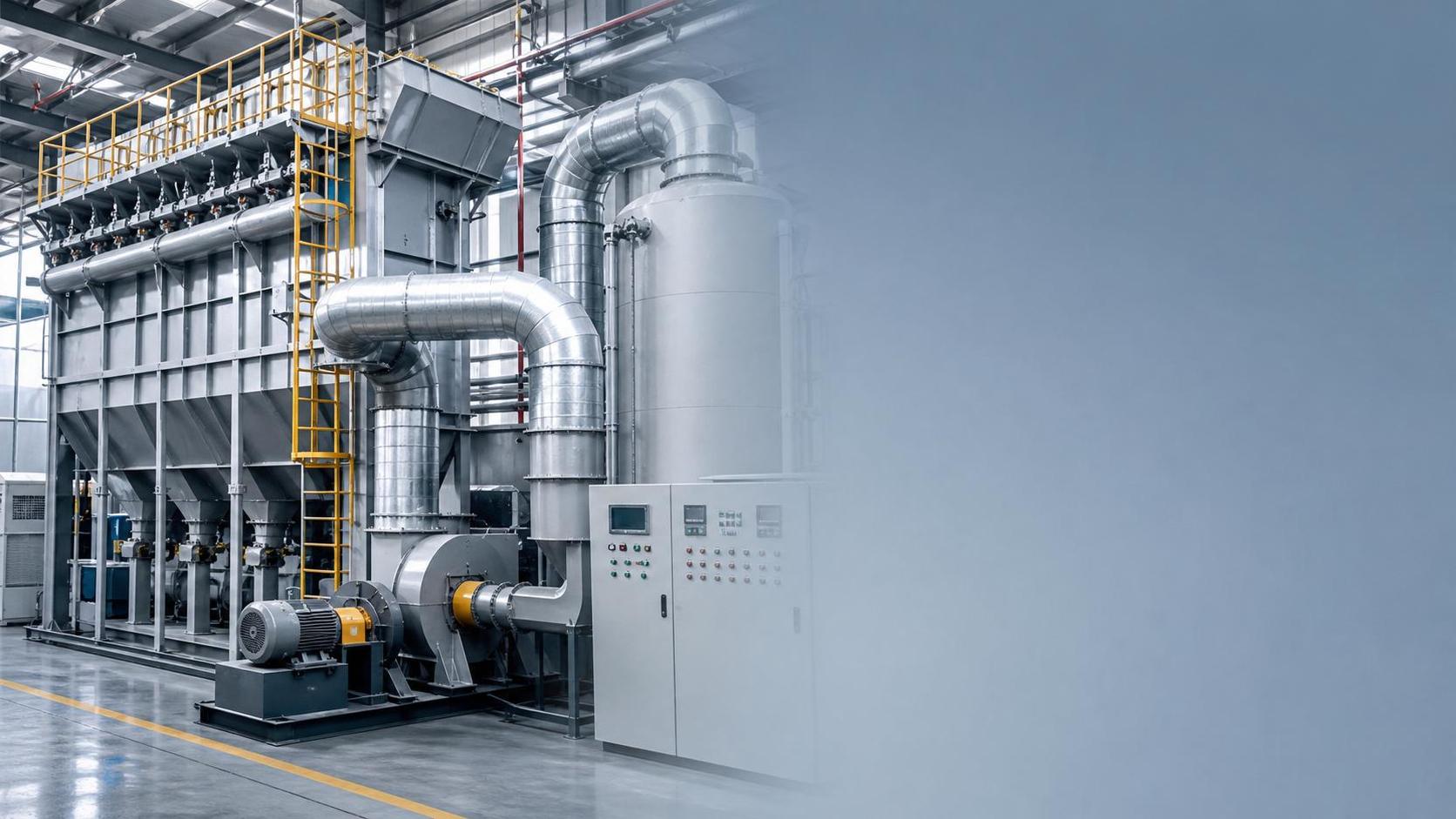
[[IMG:img_01]]For many factories, carbon reduction is no longer a branding topic. It now affects electricity spending, fuel use, export readiness, financing discussions, and customer qualification. In manufacturing and processing machinery, industrial equipment, and electrical supply chains, even small efficiency gains can influence margin when lines run 16–24 hours per day and orders fluctuate by quarter.
The key issue is simple: not every low-carbon project reduces operating cost at the same speed. Some actions lower utility bills within 3–12 months. Others mainly improve compliance, tender competitiveness, or long-term asset value. Buyers and decision-makers need to separate fast-payback upgrades from strategic investments that matter over 2–5 years.
This is why carbon reduction news for factories should be read as business intelligence, not just environmental news. Policy interpretation reveals future reporting pressure. Market analysis shows where energy, carbon, and material prices are moving. Technology updates help engineers compare real-world options. Export trade developments highlight where carbon disclosure is becoming part of supplier screening.
For operators, the practical question is which improvements reduce waste during daily production. For procurement teams, it is how to compare equipment with different efficiency claims. For company leaders, it is how to prioritize projects across a limited annual capex budget. Carbon reduction only becomes useful when linked to throughput, maintenance, uptime, and delivered cost.
Where factories typically find the first savings
In most plants, the first wave of savings comes from energy-intensive utilities rather than from complete production redesign. Compressed air, motors, variable-speed drives, ovens, chillers, pumps, lighting, and HVAC often offer measurable opportunities. A 4-step review is common: map energy load, identify high-runtime assets, verify control settings, then compare retrofit cost with expected savings over 6–18 months.
- Compressed air systems: leak reduction, pressure optimization, and runtime control often matter more than adding capacity.
- Motors and pumps: replacing oversized or constant-speed units can reduce power draw during partial load conditions.
- Thermal processes: insulation, waste heat recovery, and burner tuning can cut fuel use without changing product output.
- Monitoring systems: sub-metering by line, shift, or workshop helps reveal where carbon reduction aligns with direct cost control.
Factories that start with visible, meter-based waste are more likely to build internal support for larger decarbonization programs. That matters because the best operating cost reductions usually come from a sequence of improvements, not from one isolated purchase.
Which carbon reduction actions usually lower cost fastest?
When procurement teams compare green technology options, they should rank projects by payback speed, installation complexity, production disruption, and verification difficulty. Actions with moderate capex and clear energy measurement usually move first. Projects requiring shutdowns of 2–4 weeks, major process validation, or uncertain energy baselines often need stronger business justification.
The table below organizes common factory carbon reduction actions by operating cost impact, implementation effort, and where they fit in manufacturing environments. These are not fixed savings promises. They are decision-support categories used to frame technical and financial review.
A useful procurement rule is to divide projects into three groups: low-disruption retrofits, process-linked efficiency improvements, and infrastructure-scale investments. This prevents a factory from delaying quick wins while debating larger carbon reduction programs that may take 6–24 months to design and approve.
Comparison: quick savings versus strategic decarbonization
Many teams confuse low-carbon visibility with low-carbon economics. The comparison below helps clarify which options are typically chosen for short-term operating cost control and which are selected for long-term compliance, customer access, or energy resilience.
The practical conclusion is not to choose one side only. Strong factories typically combine both. They use efficiency projects to protect margin now, then use policy interpretation and supply chain intelligence to plan the next 12–36 months of carbon reduction investments.
How buyers and plant teams should evaluate low-carbon equipment
Procurement decisions often fail when energy claims are reviewed without operating context. A machine may be marketed as energy efficient, yet still raise total cost if maintenance is complex, spare parts are slow, or the unit is oversized for actual demand. In industrial equipment and electrical supplies, selection should balance 5 key checks: load profile, duty cycle, control logic, serviceability, and compliance documentation.
Operators should also be involved early. They know whether a line runs continuously, in batches, or under seasonal changes. This matters because carbon reduction performance can differ sharply between 8-hour single-shift use and 24-hour multi-shift production. A technically strong retrofit on paper may underperform if real production never reaches the design condition.
For purchasing teams, a structured review process usually works better than vendor-by-vendor comparison. In many factories, a 3-stage method is practical: pre-screen based on utility impact, technical review with maintenance and operation staff, then financial ranking with downtime and delivery lead time included. Common lead times for retrofits or electrical upgrades can range from 2–8 weeks, depending on controls, components, and installation windows.
A practical selection checklist for carbon reduction projects
- Confirm the baseline. Review at least 3–6 months of power, fuel, or compressed air data before comparing options.
- Match the asset to real usage. Check whether the load is stable, variable, peak-driven, or idle-heavy across shifts.
- Assess installation disruption. Include shutdown needs, commissioning time, and operator retraining requirements.
- Verify documentation. Request efficiency curves, electrical specifications, maintenance intervals, and applicable standards information.
- Compare total delivered cost. Add freight, controls integration, spare parts, and expected service response, not just unit price.
This checklist is especially relevant for export-oriented factories. Buyers in overseas markets increasingly ask not only what a supplier produces, but how it controls energy use, process emissions, and traceability. A low-carbon equipment purchase can support both cost reduction and commercial positioning when it is documented clearly.
What information procurement teams should request
When comparing vendors or retrofit proposals, request data that can be verified on-site. Useful inputs include rated power under defined conditions, control range, startup current, maintenance interval in hours, recommended ambient operating range, and commissioning support scope. If a proposal does not explain assumptions, the projected carbon reduction value is harder to trust.
In factories handling processing machinery and electrical systems, it is also wise to ask how performance changes at partial load. Many assets rarely run at full design point. This single question often reveals whether a lower-carbon option will actually reduce operating cost under daily plant conditions.
What policy, trade, and compliance signals should factories watch?
Factory managers do not need to track every policy update. They do need a filter. The most relevant carbon reduction news usually falls into four categories: energy pricing and utility reform, emissions reporting expectations, product or supply chain disclosure rules, and export trade developments that affect border costs or customer qualification. These signals can change procurement timing even before a formal regulation takes full effect.
For example, if a target export market starts requesting more emissions-related supplier data over the next 12–24 months, a factory may prioritize energy monitoring and process documentation sooner. If domestic tariffs become more volatile by time-of-use periods, projects that shift or reduce peak demand may move ahead of less measurable carbon reduction investments.
Compliance is not only about legal minimums. It is also about whether the factory can answer customer audits quickly. In B2B supply chains, delayed responses on energy sources, process efficiency, or environmental management can slow approvals. Carbon reduction news is therefore part of commercial readiness, especially for suppliers serving machinery, equipment, and electrical components markets.
Standards and documentation factories often prepare for
The exact requirement depends on product category and destination market, but factories commonly review management systems, energy records, equipment specifications, and material-related documentation. The focus is less on collecting every certificate and more on building a repeatable record set that can be updated every quarter or every year.
- Energy management records that show consumption by workshop, line, or process over defined periods.
- Maintenance and calibration logs for key equipment tied to energy efficiency and emission control.
- Supplier and component traceability documents for electrical and industrial systems where disclosure may be requested.
- Internal procedures that explain how operational changes are reviewed, approved, and verified after implementation.
Portals that combine policy interpretation, market analysis, technology updates, and export trade intelligence can save teams substantial time. Instead of monitoring 10 different channels, decision-makers can compare carbon reduction developments in one place and react earlier to cost, compliance, and sourcing changes.
Common mistakes, realistic alternatives, and next-step decisions
A common mistake is assuming every carbon reduction project should start with new equipment. In reality, alternatives such as controls tuning, process scheduling, leak elimination, insulation repair, and maintenance discipline may deliver lower-cost gains first. For factories with tight budgets, these steps can create the baseline needed before larger investments are approved.
Another mistake is focusing on annual carbon statements without checking production intensity. If output changes sharply from month to month, total energy use alone can mislead. Better decisions come from reviewing energy or fuel use per unit of output, per batch, or per operating hour across at least 2–3 comparable production periods.
There is also a supply chain risk angle. Some low-carbon components or control systems have longer lead times than standard industrial parts. If a factory plans an upgrade during a narrow shutdown window of 7–10 days, late delivery can erase the expected savings. Procurement teams should therefore confirm availability, substitute options, and commissioning support before final approval.
FAQ: what factories often ask before investing
How do we know whether a carbon reduction project will really lower operating cost?
Start with a measurable baseline and isolate one cost driver at a time. Review electricity, fuel, compressed air, or thermal load by process. If the project changes a variable that can be metered weekly or monthly, the savings are easier to verify. Projects tied to visible waste and high runtime usually provide clearer operating cost results than broad system changes with unclear baselines.
Which projects should be delayed if budget is limited?
Projects with uncertain utilization, long shutdown requirements, or weak measurement methods should usually be reviewed more carefully. If the factory has not yet fixed leaks, tuning issues, poor controls, or idle losses, major equipment replacement may not be the best first move. Budget-limited plants often benefit from prioritizing 3–5 quick operational improvements before committing to larger capex.
How long does implementation usually take?
Simple monitoring, controls, and maintenance-led improvements may begin within days or a few weeks. Equipment retrofits often need 2–8 weeks for sourcing and scheduling. More complex decarbonization projects involving line redesign, electrification, or integrated utility systems can extend over several months. The true timeline depends on shutdown planning, controls integration, and whether validation is required.
What should export-focused factories prioritize first?
Prioritize two things together: measurable energy efficiency improvements and better documentation. Overseas buyers increasingly ask for traceable information, not just claims. Factories that can show operating data, equipment upgrades, and internal control procedures are usually better positioned than those relying only on general sustainability statements.
Why choose us for carbon reduction and factory market intelligence?
We focus on the industrial sectors where carbon reduction decisions are directly linked to machinery performance, electrical systems, procurement cycles, and export trade pressure. Our content coverage brings together industry news, market analysis, price trends, technology updates, policy interpretation, exhibition coverage, company developments, and supply chain intelligence, so factory teams can connect sustainability signals with daily operating decisions.
If you are evaluating carbon reduction news for factories, you can use our platform to narrow down practical questions: which equipment categories deserve review first, how price trends may affect project timing, what documentation buyers may request, and how policy changes could reshape sourcing or export planning over the next 6–24 months.
Contact us if you need support with parameter confirmation, equipment selection logic, delivery-cycle assessment, supply chain comparison, certification and compliance checkpoints, sample or specification review, or quotation-oriented market research. This is especially useful when your team needs a clearer basis for deciding between quick efficiency retrofits and longer-term carbon reduction investments.

Industry Briefing
Get the top 5 industry headlines delivered to your inbox every morning.