
Renewable Energy Equipment News: Which Parts Face Delays?

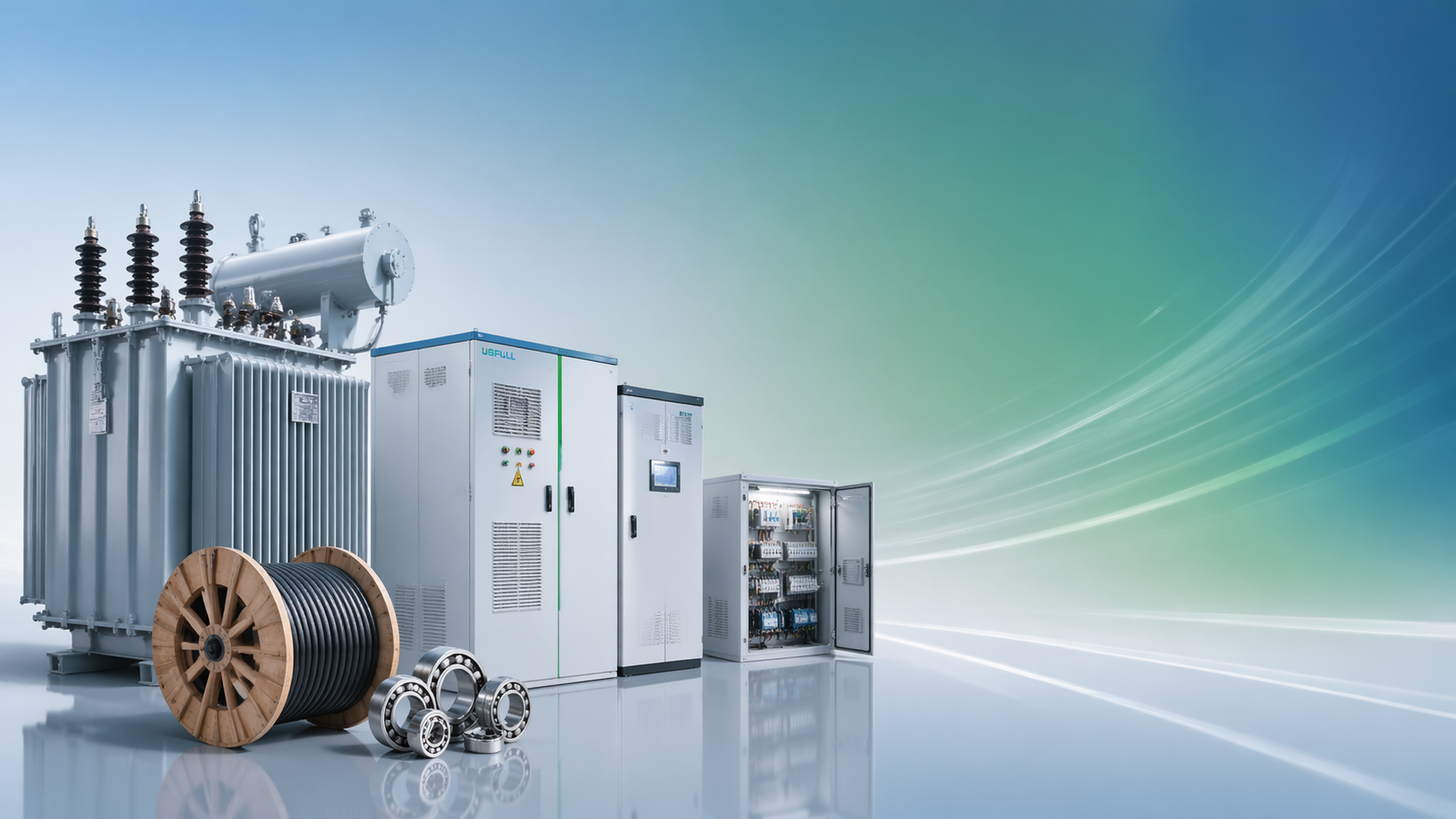
Renewable energy projects are reshaping procurement priorities, but which components are most vulnerable to disruption? Drawing on the latest global supply chain updates and global supply chain updates for electrical equipment, this report highlights delay risks across transformers, inverters, cables, bearings, and control systems, helping procurement teams, operators, and decision-makers track global supply chain updates trends and respond faster to shifting lead times.
For industrial buyers and plant-side teams, the issue is no longer whether supply chains are under pressure, but where bottlenecks are forming first. In renewable energy equipment, a delay of 6–12 weeks on one critical component can push commissioning, grid connection, and revenue timelines far beyond the original schedule.
This article focuses on the parts categories now drawing the most attention across manufacturing, industrial equipment, and electrical equipment supply networks. It also translates delay signals into practical procurement actions, helping researchers, operators, sourcing teams, and business leaders prioritize risk review before shortages become production losses.
Where Delay Pressure Is Building in Renewable Energy Equipment
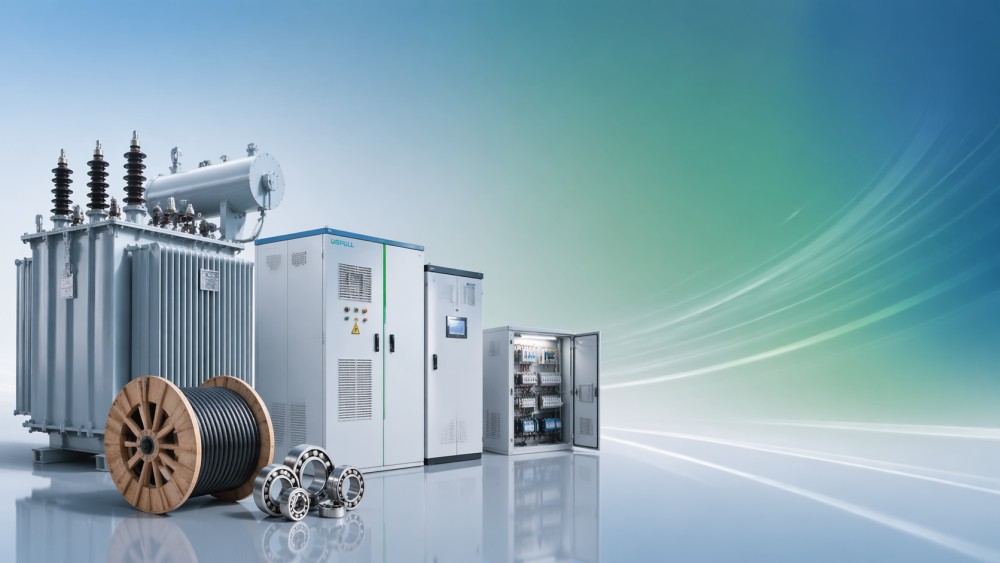
Lead time stress is not spread evenly across all renewable energy components. Standard fasteners, housings, and general hardware may still move in regular cycles of 2–5 weeks, but engineered electrical and motion-control parts are showing far longer procurement windows. The most exposed categories usually combine high technical requirements, limited qualified suppliers, and strong demand from both utility-scale and distributed energy projects.
In current market conditions, transformers, grid-tied inverters, medium- and high-voltage cables, precision bearings, and industrial control systems are among the most watched items. These products often require customized design, copper- or silicon-intensive manufacturing, compliance testing, and export coordination, all of which create multiple points where delivery can slip by 4, 8, or even 16 weeks.
For procurement teams, the core question is not only availability, but predictability. A component with a nominal 10-week lead time can be less risky than a part quoted at 6 weeks with frequent engineering changes, approval delays, or volatile freight conditions. That is why buyers increasingly compare technical complexity, substitution difficulty, and site-level installation dependency before placing orders.
The table below summarizes common delay-prone categories and the operational impact of each. It is designed for quick screening during sourcing reviews, tender planning, and project execution meetings.
The key takeaway is that delay exposure is highest where electrical performance, certification, and customization overlap. In practice, these parts should move to the front of the purchasing calendar, often 1–2 procurement cycles earlier than balance-of-system items.
Why these parts move slower than standard industrial goods
Unlike off-the-shelf industrial components, renewable energy equipment often has project-specific voltage ratings, environmental protection grades, communication protocols, or enclosure standards. Even a small change in transformer impedance, inverter grid-code settings, or cable insulation class can trigger redesign and retesting.
Another factor is shared manufacturing capacity. The same upstream materials used in renewable systems may also be consumed by power distribution, data center expansion, EV infrastructure, and industrial automation. When several sectors compete for copper, electrical steel, semiconductors, or engineered resins at the same time, queue times increase quickly.
Component-by-Component Risk Review: Transformers, Inverters, Cables, Bearings, and Controls
A closer review by component type gives buyers a more accurate picture than generic supply chain warnings. The same project may face only moderate cable risk but severe inverter risk, or the reverse, depending on design choices, destination market, and compliance requirements.
Transformers
Transformers remain one of the most delay-sensitive items in utility and industrial renewable installations. Delivery windows of 12–40 weeks are common because production involves core steel processing, winding, drying, oil filling, factory testing, and shipment coordination. If a project needs a non-standard rating, special cooling method, or specific grid interface requirement, lead time can expand further.
For buyers, the main mistake is approving transformer specifications too late. A 2-week delay in design freeze can easily become an 8-week delay in manufacturing slot allocation. Site teams should also confirm dimensions, tap changer requirements, and transport access early, since installation constraints often surface after production is already underway.
Inverters
Inverters are exposed to semiconductor availability, firmware revision cycles, and country-specific certification requirements. Typical lead times range from 8–20 weeks, but projects requiring advanced reactive power control, SCADA compatibility, or grid-code adaptation may face longer schedules. Replacement units for after-sales service can also be affected if the model has moved to a newer hardware platform.
Operators should monitor not just delivery dates but software release status, spare board availability, and service coverage. An inverter delivered on time but waiting 3–4 additional weeks for commissioning support still creates a functional delay.
Cables, bearings, and control systems
Cable schedules can be disrupted by insulation material supply, conductor sizing changes, and shipping constraints for large reels. MV and HV cable sets often require precise route planning and accessory matching, so late civil design revisions can trigger rework. For bearings, the risk is highest in precision grades used in wind, tracking, or rotating equipment, where tolerance, lubrication condition, and heat treatment consistency matter.
Control systems face a different risk profile. PLC modules, communication cards, HMIs, and remote I/O can be delayed by electronics allocation or by engineering review. A single unavailable module can stall an entire control cabinet. This is why many industrial buyers now define acceptable equivalent models during the tender stage instead of waiting for shortages to appear.
Fast screening checklist for critical parts
- Check whether the part has project-specific electrical ratings or communication protocols.
- Confirm if more than 2 qualified suppliers can meet the same technical standard.
- Review whether factory acceptance testing requires a fixed slot 2–6 weeks in advance.
- Identify any long-cycle raw materials such as copper, specialty steel, or semiconductors.
- Verify whether installation depends on civil works, crane windows, or utility approvals.
This screening approach helps sourcing teams separate manageable delays from schedule-critical ones. In many projects, only 15%–20% of line items drive more than half of the timeline risk, so identifying those few categories early delivers the highest control value.
How Procurement Teams Should Prioritize Orders and Buffer Time
Procurement planning for renewable energy equipment now requires more than comparing unit price. Buyers need a layered ordering strategy that matches criticality, substitution difficulty, logistics complexity, and commissioning sequence. In practical terms, category segmentation can cut avoidable delay exposure by one full procurement cycle.
A useful method is to divide parts into three bands: long-cycle strategic items, medium-risk engineered items, and routine consumables. Transformers and control hardware often fall into the first band. Inverters and cable systems may sit in the first or second band depending on project scale. Mounting parts, connectors, or standard enclosures usually remain in the third band unless a specific certification is needed.
The table below provides a practical decision framework for allocating order timing and contingency buffers. It is especially useful for procurement personnel managing multiple suppliers across machinery, electrical, and industrial component categories.
This matrix shows that timing discipline matters as much as supplier selection. If a high-risk part is treated like a routine purchase, even a well-priced contract can become expensive through idle labor, missed grid windows, or expedited freight costs.
Five practical procurement actions
- Freeze technical specifications early, ideally before RFQ release, to avoid repeated engineering rounds.
- Ask suppliers to separate production lead time, testing time, and transport time instead of giving one blended estimate.
- Build approved alternatives for key PLC, HMI, cable accessory, and bearing models.
- Align order dates with installation logic, not only budget release timing.
- Track delay signals weekly for top 10 critical line items rather than monthly for the full purchase list.
These actions are especially valuable for enterprises balancing cost control with project certainty. In industrial procurement, a 3% higher unit cost may be justified if it removes a 6-week delivery risk on a critical component.
Operational and Management Signals Decision-Makers Should Watch
Executives and project managers need clear indicators that show whether delay risk is becoming a site problem, a procurement problem, or a broader supply chain problem. Watching only shipment status is too late. The better approach is to monitor signals earlier in the order lifecycle.
One important signal is quote validity shortening from 30 days to 7–14 days. This often indicates unstable material pricing or constrained production allocation. Another warning sign is a supplier offering immediate stock for a different model while extending lead time on the originally specified item. That usually means substitution pressure is already moving through the market.
Decision-makers should also compare planned versus confirmed milestone dates. If engineering approval, factory acceptance testing, dispatch release, and site arrival are all drifting by 5–10 days each, the accumulated impact may exceed one month before anyone raises a formal exception.
Common management mistakes
A frequent error is treating all late items equally. In reality, some parts can be installed in parallel or replaced later, while others block the entire system handover. Another mistake is pushing suppliers only on delivery date without confirming document readiness, export packing, or commissioning support. A shipped item that cannot pass inspection still delays startup.
There is also a tendency to over-focus on price trend reports without linking them to physical availability. In electrical equipment and industrial components, cost changes can signal future lead time pressure, but they do not replace part-level scheduling analysis. Managers need both views at the same time.
FAQ: questions often raised by buyers and operators
How long should buyers plan ahead for critical renewable energy parts?
For high-risk items such as transformers or specialized control systems, 4–6 months is a safer planning window. For medium-risk parts such as MV cables or precision bearings, 8–12 weeks is often workable if specifications are stable and logistics routes are confirmed.
Which indicator matters more: price or lead time?
For schedule-critical projects, lead time usually has greater impact than small price variation. A moderate premium can be reasonable if it reduces commissioning delay, avoids standby labor, and lowers the risk of missing utility connection windows.
Can substitution reduce delay risk?
Yes, but only when substitutions are pre-approved for electrical rating, interface compatibility, software communication, and installation dimensions. Unplanned substitution after production starts often creates more delay rather than less.
Building a More Resilient Supply Response Across Industrial Equipment Channels
The most effective response to renewable energy equipment delays is not a single emergency order. It is a coordinated process linking market intelligence, technical review, supplier communication, and project scheduling. For companies covering manufacturing machinery, industrial components, and electrical supplies, this cross-functional view is increasingly necessary because the same upstream disruption can affect several product lines at once.
A resilient sourcing model usually includes three layers. First, monitor category-level signals such as copper trends, electronics allocation, or export bottlenecks. Second, track project-level milestones on the 10–20 items that can stop installation. Third, maintain a fallback plan covering equivalent specifications, split shipments, or phased commissioning where technically acceptable.
For operators and maintenance teams, resilience also means preparing service parts in advance. Keeping selected spare inverters, communication modules, bearings, or cable accessories can reduce downtime exposure from weeks to days. The right stocking strategy depends on failure criticality, replacement lead time, and site accessibility.
For decision-makers, the value of better supply chain intelligence is measurable. Earlier visibility into delay risk supports bid planning, inventory prioritization, supplier negotiation, and customer communication. It turns supply chain news into an operational advantage rather than a reactive reporting exercise.
Renewable energy procurement is becoming more technical, more time-sensitive, and more interconnected with the broader industrial equipment market. Companies that monitor transformers, inverters, cables, bearings, and control systems with part-level discipline are better positioned to protect schedules and control total project cost. To evaluate delay exposure, compare sourcing options, or explore tailored procurement insights for electrical and industrial equipment, contact us today to get a customized solution and learn more about practical supply chain intelligence services.
 Steam Turbine Generator Packages: Defining Supply ScopeTime : Nov 09, 2026
 Choosing Portable Generators for Home Backup: Wattage and Fuel OptionsTime : Nov 07, 2026
- Oil Refining Market in India: Capacity, Demand and Growth DriversTime : Nov 05, 2026



Industry Briefing
Get the top 5 industry headlines delivered to your inbox every morning.