
Power Industry News: Grid Risk and Supply Pressure

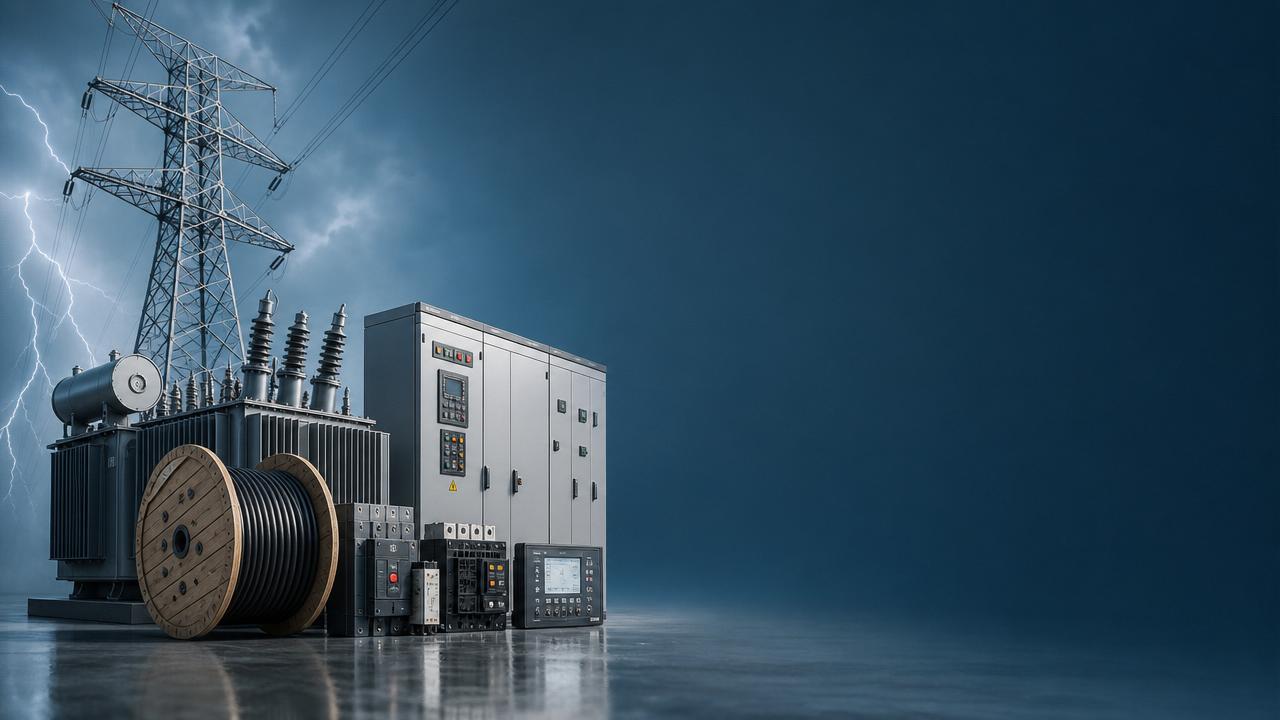
In today’s fast-shifting energy landscape, power industry news has become essential for business decision-makers tracking grid risk, supply pressure, and market volatility. From infrastructure resilience to equipment availability and policy shifts, timely insight helps companies anticipate disruption, control costs, and strengthen strategic planning across the electrical and industrial supply chain.
For companies involved in manufacturing machinery, industrial components, and electrical equipment, the issue is not only whether power is available, but whether the supply chain around power systems remains stable for the next 30, 60, or 90 days. Procurement teams, plant managers, distributors, and exporters increasingly rely on power industry news to read demand cycles early, compare sourcing options, and prepare for longer lead times.
When grid stress rises, the effect moves quickly from utilities to transformers, switchgear, cable, motors, backup systems, automation modules, and maintenance services. That means business leaders need more than headlines. They need practical interpretation tied to delivery windows, component substitution, inventory strategy, and cross-border trade exposure.
Why Grid Risk and Supply Pressure Matter Across Industrial Markets
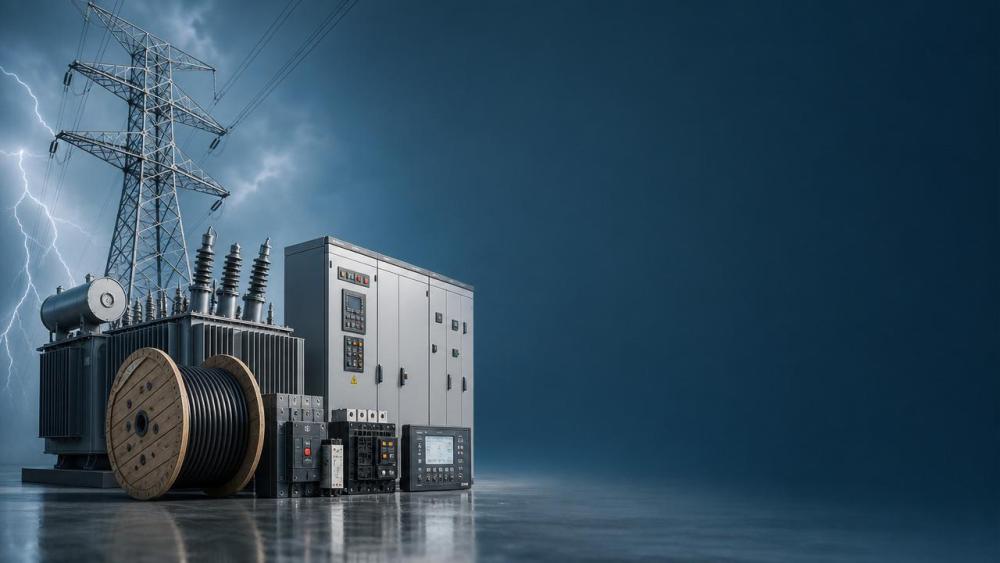
Power industry news now influences decisions far beyond power generation. In industrial markets, a grid event can trigger equipment shortages within 2–6 weeks, especially for medium-voltage components, protection devices, copper-intensive products, and thermal management parts. Even a short regional outage may affect production planning, contract fulfillment, and export schedules.
Decision-makers should view grid risk in three layers: infrastructure reliability, equipment availability, and policy response. Each layer creates a different commercial impact. Infrastructure issues may drive emergency replacement demand. Equipment scarcity can stretch lead times from 4 weeks to 12 weeks. Policy changes may alter bidding rules, energy pricing, or local compliance requirements.
Key pressure points business buyers should monitor
For B2B buyers, the most important signals usually appear before a full disruption. Price changes in copper, steel, insulation materials, or semiconductors often show up 1–3 procurement cycles ahead of finished equipment shortages. At the same time, factory utilization rates, shipping delays, and maintenance backlogs can indicate whether supply pressure is temporary or structural.
- Transformer and switchgear lead times extending beyond 8–10 weeks
- Cable and conductor price volatility linked to raw material swings of 5%–15%
- Higher demand for backup generators, UPS units, and power distribution cabinets
- Regional policy shifts affecting industrial electricity tariffs or peak-load controls
From utility stress to factory floor impact
The value of power industry news is its ability to connect macro risk with operational detail. A utility capacity warning may sound distant, but for a machinery producer it can mean delayed motor testing, higher cooling costs, and rescheduled final inspection. For an electrical distributor, it may mean prioritizing fast-moving stock and revising reorder points from 30 days to 45 days.
The table below shows how common grid and supply signals translate into business-level consequences for industrial and electrical supply chain participants.
The main takeaway is that power industry news is most useful when connected to purchasing thresholds and response timing. Leaders that convert news signals into sourcing actions early often protect both service continuity and gross margin.
Where supply pressure shows up first
In many cases, supply pressure begins with components rather than finished systems. Electrical contacts, insulation materials, IGBT modules, cooling fans, control boards, and specialty fasteners can become bottlenecks before complete cabinets or machine assemblies are delayed. This is especially relevant for OEMs and contract manufacturers working with 20–50 key purchased items in one bill of materials.
For enterprise buyers, a practical rule is to identify the top 10 components that can stop shipment if unavailable. If even 2 or 3 of those parts enter constrained supply, revenue impact can be disproportionate. That is why power industry news should be reviewed alongside supplier capacity reports, not in isolation.
How Decision-Makers Can Use Power Industry News in Procurement and Planning
The strongest companies do not just consume power industry news; they embed it into procurement, pricing, inventory, and sales planning. A structured review process can be built in 5 steps and completed weekly in 30–45 minutes. This keeps market intelligence actionable without overloading teams with unfiltered information.
A 5-step review model for industrial buyers
- Track grid risk, utility investment, and outage-related developments by region.
- Compare material and component trends for copper, steel, semiconductors, and insulation inputs.
- Review lead times for critical categories such as switchgear, motors, cables, and protection devices.
- Check policy updates affecting tariffs, emissions compliance, localization, or export procedures.
- Convert findings into sourcing actions, stock targets, and customer communication plans.
This process is particularly effective for companies with multi-country sourcing or customers in sectors such as manufacturing plants, EPC contracting, utilities support, and industrial maintenance. In these environments, a 7-day delay in one category can create a 21-day impact at system delivery level.
Priority categories to evaluate every month
Not every product line needs the same monitoring intensity. High-value, long-cycle, and regulation-sensitive categories deserve monthly executive review. Lower-risk items can be reviewed quarterly. A segmented approach helps avoid overbuying while still protecting continuity.
The following table provides a practical decision framework for different industrial and electrical purchasing categories under supply pressure.
The framework shows that response strategy must match the source of risk. For material-sensitive items, pricing discipline matters most. For engineered assemblies, design freeze and supplier coordination are usually more important than unit price alone.
Common planning mistakes during volatile periods
One common mistake is assuming that stable order history guarantees stable future supply. In reality, when power industry news signals grid investment surges or regional reliability programs, demand can be redirected quickly toward the same industrial products your business already depends on. Another mistake is buying too late because a quotation still looks valid on paper.
- Relying on a single supplier for items with over 6-week replenishment cycles
- Failing to separate must-have components from easy substitutes
- Ignoring export logistics constraints when domestic demand suddenly increases
- Reviewing market intelligence monthly when weekly monitoring is needed
A better approach is to align commercial and operational teams around a shared risk dashboard. Even a simple dashboard with 4 indicators—lead time, price movement, supplier status, and stock coverage—can improve reaction speed and reduce emergency purchasing.
What to Watch in Power Industry News Over the Next Procurement Cycle
For the next 1–2 quarters, business decision-makers should closely watch three themes in power industry news: grid modernization, backup power demand, and policy-driven electrification. Each theme can reshape demand across manufacturing machinery, industrial equipment, and electrical supply segments.
Grid modernization and component demand
As utilities and industrial operators upgrade aging systems, demand tends to rise for switchboards, metering devices, relays, connectors, cable management systems, and thermal control equipment. These projects often run in phases of 3, 6, or 12 months, which means early supplier engagement is critical. Companies that wait for final tender release may face narrower supply options.
Backup power and resilience investment
In regions exposed to heat waves, storms, or unstable local networks, spending on backup power systems can rise rapidly. This affects demand for generators, ATS panels, batteries, UPS systems, cooling units, and maintenance parts. For channel partners and exporters, resilience spending often creates short sales windows of 4–8 weeks, so stock positioning becomes a competitive advantage.
Policy, compliance, and export implications
Power industry news also matters because policy can change product requirements and project economics. Efficiency standards, local grid codes, environmental rules, and customs procedures can alter specification choices or acceptance timelines. For example, a project that previously accepted a standard motor may now require a higher-efficiency class, changing both price and availability.
Questions executives should ask their teams
To turn market developments into practical action, leadership teams should challenge internal assumptions. The goal is to identify weak points before they affect customers or cash flow.
- Which 5 purchased items would stop shipment if unavailable next month?
- Do we have at least 2 qualified suppliers for high-risk electrical categories?
- How much stock coverage do we hold for items with lead times above 8 weeks?
- Are our quotations protected against raw material movement over 15–30 days?
These questions help convert power industry news into decisions that protect service levels, customer trust, and profit stability. In B2B markets, the value of information comes from timing, interpretation, and disciplined execution.
Power industry news is no longer a background reference for the electrical sector alone. It is a working management tool for companies that buy, build, distribute, or export industrial and electrical products. When interpreted correctly, it can improve sourcing accuracy, support inventory planning, reduce disruption risk, and sharpen customer response.
If your business needs clearer visibility into market shifts, component availability, policy changes, or supply chain pressure across power-related industries, now is the right time to strengthen your intelligence process. Contact us to discuss tailored content support, get a customized monitoring approach, or learn more solutions for industrial and electrical market decision-making.
 Steam Turbine Generator Packages: Defining Supply ScopeTime : Nov 09, 2026
 Choosing Portable Generators for Home Backup: Wattage and Fuel OptionsTime : Nov 07, 2026
- Oil Refining Market in India: Capacity, Demand and Growth DriversTime : Nov 05, 2026




Industry Briefing
Get the top 5 industry headlines delivered to your inbox every morning.