
What to check before working with an industrial environmental supplier


Before you start working with an industrial environmental supplier, the most important question is not simply whether they can offer a competitive price. It is whether they can deliver compliant, reliable, and scalable solutions with manageable risk over the full project lifecycle. For procurement teams, plant operators, researchers, and business decision-makers, supplier selection should be based on verified certifications, compliance history, technical fit, delivery capability, service response, and long-term operating value. In markets shaped by policy shifts, technology updates, and export trade developments, a weak supplier choice can lead to downtime, non-compliance, cost overruns, and reputation damage.
What matters most before choosing an industrial environmental supplier
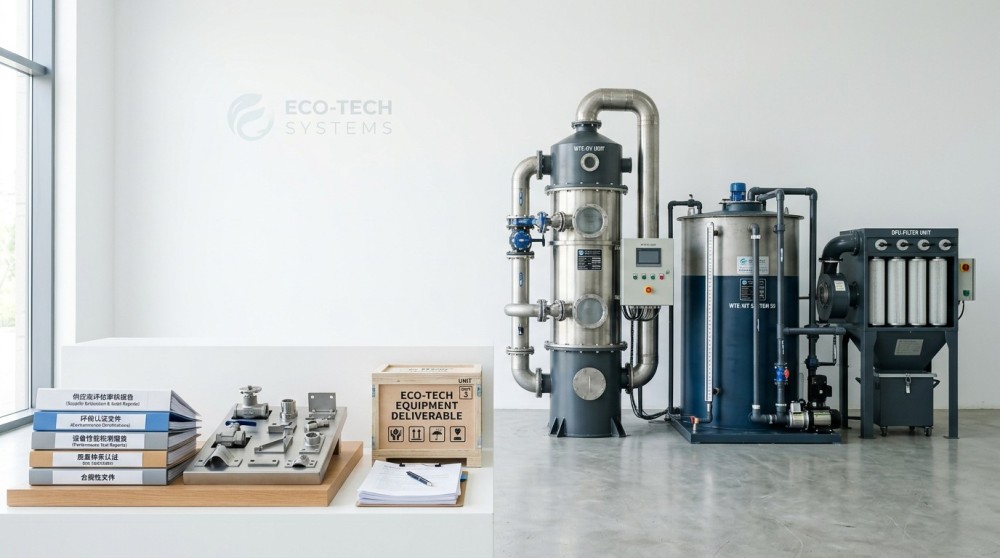
Users searching for this topic usually want a practical evaluation framework. They are not looking for generic vendor advice. They want to know how to reduce procurement risk when sourcing suppliers for emission control, wastewater treatment, carbon reduction systems, dust collection, energy-saving equipment, or eco-friendly manufacturing solutions.
The priority is to confirm four things early:
- Whether the supplier meets regulatory and industry compliance requirements
- Whether their products and systems are proven in similar operating conditions
- Whether they can deliver on time and support installation, maintenance, and troubleshooting
- Whether the total cost and operational performance make business sense over time
For enterprise buyers and decision-makers, this is where industrial environmental news market analysis and policy interpretation become highly relevant. A supplier that looks acceptable today may become risky if regulations tighten, export rules change, or core technologies are quickly replaced.
Are their certifications, permits, and compliance records real and current?
This should be your first screening step. In the industrial environmental sector, claims of compliance are common, but verification is essential. Ask for current certificates, test reports, audit results, and records of regulatory performance.
Depending on the product category and region, the documents may include:
- ISO certifications such as ISO 9001 and ISO 14001
- Product-specific environmental or safety certifications
- Emission performance test reports from recognized laboratories
- Wastewater discharge or treatment compliance documentation
- Occupational safety and electrical safety approvals
- Export-related compliance documents for international supply
Also check whether the supplier has faced fines, product recalls, environmental violations, or legal disputes. A strong compliance history often signals better internal controls, while a poor record may indicate hidden risk in manufacturing, quality assurance, or project execution.
If your business follows industrial environmental news policy interpretation, this step becomes even more important. Regulatory updates can quickly make older equipment non-compliant, especially in sectors with tightening standards on emissions, wastewater discharge, and energy consumption.
Can the supplier actually solve your operational problem?
A qualified supplier should do more than provide a catalog. They should understand your process conditions, site constraints, output targets, and environmental obligations. The best suppliers ask detailed technical questions before quoting.
Check whether their solution matches your real application in areas such as:
- Type and concentration of pollutants
- Operating temperature, humidity, and corrosion conditions
- Flow rates, load fluctuation, and peak demand
- Space limitations and integration with existing systems
- Automation, monitoring, and control requirements
- Expected maintenance frequency and consumable replacement cycles
Ask for case studies from similar industries, not just broad references. A wastewater treatment system that works in food processing may not suit metal finishing. A dust collector designed for light particulate loads may fail under heavy industrial duty.
This is where industrial environmental news technology updates can support supplier evaluation. Buyers should track whether a vendor is relying on outdated designs or offering technology that aligns with current efficiency, digital monitoring, and low-emission trends.
How reliable is their production and delivery capacity?
Many supplier problems begin after the purchase order is placed. A supplier may appear technically capable but lack stable production scheduling, component sourcing, or export coordination. For procurement teams, delivery reliability is as important as unit price.
Evaluate:
- Factory scale and production capacity
- Lead times for standard and customized products
- Supply chain resilience for key materials and components
- Quality control at incoming, in-process, and final inspection stages
- Packaging, shipping, and international logistics capability
- Contingency planning for delays or part shortages
Request a realistic delivery schedule, not just a sales estimate. If the project is critical, ask what percentage of orders the supplier has delivered on time in the past year. It is also useful to understand whether they depend heavily on single-source components, especially in periods of unstable trade conditions.
For companies monitoring export trade developments, this point deserves extra attention. Customs issues, certification mismatches, tariff changes, and shipping disruptions can affect both cost and project timing.
What happens after installation: support, spare parts, and accountability?
After-sales support is often underestimated during supplier selection. But in industrial environmental applications, system uptime, compliance continuity, and maintenance responsiveness are crucial.
Before working with a supplier, clarify:
- Warranty scope and exclusions
- Commissioning and on-site support availability
- Training for operators and maintenance staff
- Response time for faults and emergency service
- Spare parts stock and replacement lead times
- Remote diagnostics, monitoring, and reporting support
For operators and plant managers, practical service capability often matters more than presentation materials. A system with strong nominal performance but weak field support can quickly become a burden. For enterprise leaders, poor service means not just maintenance cost, but production interruption and compliance exposure.
Should you compare price or total lifecycle value?
Price matters, but lowest initial cost is rarely the best benchmark in environmental equipment procurement. A proper evaluation should consider total lifecycle value, including operating efficiency, maintenance burden, downtime risk, and compliance performance.
Key cost factors include:
- Installation and integration cost
- Energy consumption
- Chemical or filter media usage
- Maintenance labor and spare parts
- System lifespan and upgrade flexibility
- Cost of non-compliance or underperformance
For decision-makers, the better question is: which supplier offers the most reliable return under expected regulatory and operating conditions? This is particularly relevant in carbon reduction and eco-friendly manufacturing projects, where financial outcomes may depend on policy incentives, reporting obligations, or future environmental targets.
What questions should you ask before signing?
To make supplier assessment more practical, buyers can use a short but effective checklist during qualification and negotiation:
- Can you provide current certifications, audit records, and compliance reports?
- What similar projects have you completed in my industry?
- What performance guarantees can you commit to in writing?
- What is your actual lead time, and what factors could delay delivery?
- How do you handle commissioning, training, and post-installation service?
- Which spare parts are critical, and how quickly can they be supplied?
- What are the expected operating costs over one, three, and five years?
- How will your solution adapt if regulations become stricter?
The answers will often reveal more than the quotation itself. Strong suppliers respond with data, process clarity, and realistic limitations. Weak suppliers tend to rely on vague promises, incomplete documentation, or aggressive pricing without support detail.
Final takeaway
Before working with an industrial environmental supplier, focus on evidence rather than claims. The right partner should demonstrate verified compliance, technical suitability, dependable delivery, responsive after-sales support, and sound lifecycle value. For buyers following industrial environmental news market analysis, policy interpretation, and technology updates, supplier selection should also reflect where the market is heading, not just what is available today.
If you evaluate suppliers through the lens of risk, performance, and long-term business fit, you will make better procurement decisions and reduce the chance of costly problems later. In industrial environmental sourcing, a careful check before partnership is not a delay in purchasing. It is one of the most valuable parts of the buying process.


Industry Briefing
Get the top 5 industry headlines delivered to your inbox every morning.