
Freight Costs in 2026: What’s Driving Rates Up or Down?

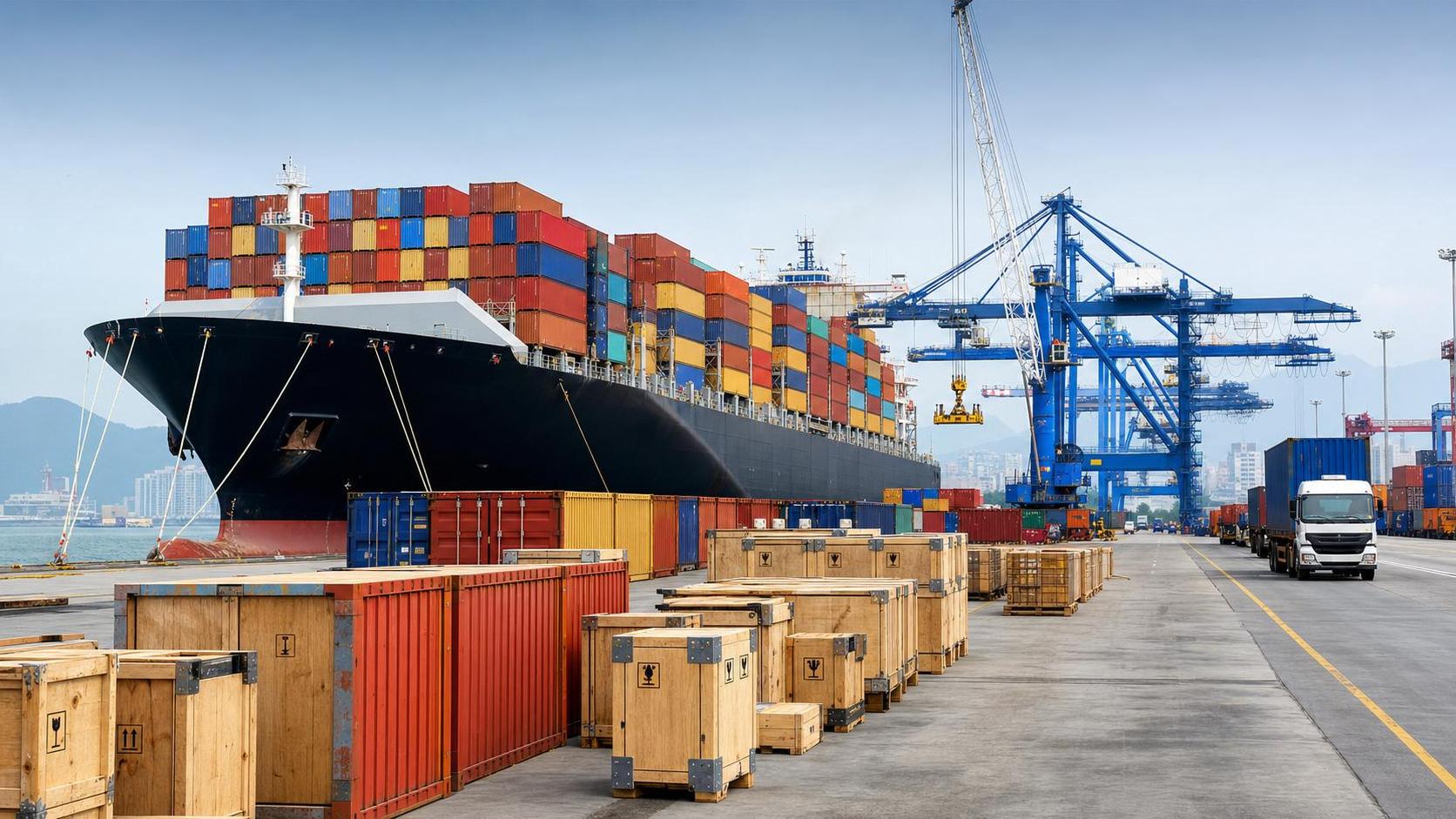
Freight costs will stay near the center of industrial decision-making in 2026. Rate movements now reflect more than simple supply and demand. They also mirror fuel volatility, policy shifts, route security, vessel and truck capacity, and the pace of factory orders.
That matters across manufacturing machinery, electrical equipment, components, automation systems, and project cargo. When transport pricing changes quickly, landed cost assumptions can weaken, supplier comparisons can lose accuracy, and sourcing plans may need revision.
For companies tracking industrial trade through platforms such as NEXUSINSIGHTS, the practical question is not whether freight costs will move. It is which signals are likely to push rates up, which may pull them down, and how those changes should shape planning.
Why freight costs remain difficult to predict
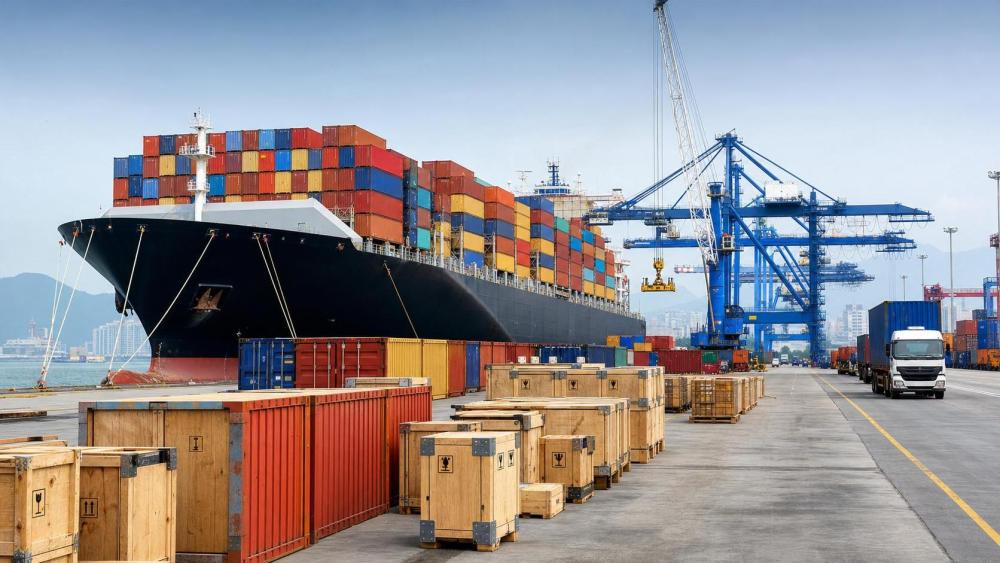
A freight rate is never just a transport quote. It combines linehaul charges, fuel surcharges, equipment positioning, handling fees, insurance pressure, congestion costs, and risk premiums tied to timing and geography.
In 2026, freight costs are likely to vary sharply by route and mode. Ocean freight may soften on one lane and rise on another. Air cargo can spike during inventory shortages. Inland trucking may tighten even when port rates ease.
This uneven pattern is especially relevant in industrial supply chains. Heavy machinery, oversized equipment, transformers, mechanical assemblies, and control systems often need specialized handling, longer lead times, or multimodal coordination.
The biggest forces pushing rates up
Several drivers could lift freight costs in 2026, and some of them can appear at the same time.
Energy and fuel pressure
Fuel remains one of the fastest channels through which volatility reaches logistics budgets. Higher oil prices tend to raise bunker charges for shipping lines, jet fuel costs for air cargo, and diesel expenses for trucking fleets.
Environmental rules may add further pressure. Cleaner fuel requirements, emissions compliance, and fleet upgrades can improve long-term efficiency, but in the near term they may support firmer freight costs.
Geopolitical disruption and route changes
Security concerns can quickly reshape freight markets. If carriers avoid a corridor, reroute ships, or face higher insurance premiums, transit times lengthen and available capacity tightens. That often sends rates higher.
Industrial cargo feels this strongly because delayed components can halt assembly schedules or installation plans. A more expensive route may still be chosen if project timing matters more than transport savings.
Trade policy and customs friction
Tariffs, sanctions, export controls, and changing customs rules do not only affect product pricing. They also change routing choices, warehouse demand, documentation workloads, and border delays. All of that can lift freight costs indirectly.
For electrical equipment and industrial components, compliance complexity is often underestimated. A shipment held for paperwork may create demurrage, storage fees, or urgent replacement transport.
Capacity discipline by carriers
Even when demand moderates, carriers may manage capacity carefully. Blank sailings, fleet repositioning, and service rationalization can prevent a steep fall in freight costs. Rate weakness is possible, but not guaranteed.
What could pull freight costs lower
There are also credible reasons for softer pricing in parts of the market.
Slower goods demand
If industrial output slows in key regions, cargo volumes may weaken. Less pressure on vessels, containers, trailers, and warehouse slots usually improves negotiating conditions and eases freight costs on standard lanes.
New capacity entering service
Additional vessels, better fleet utilization, and improved terminal throughput can lower tightness in the system. The effect is not automatic, but it can reduce extreme peaks that were common during earlier disruptions.
Better inventory planning
When companies spread orders more evenly and avoid last-minute shipping, demand becomes less erratic. That can lower expensive mode switching, reduce premium space bookings, and stabilize freight costs over time.
Why industrial sectors feel rate changes differently
Not every product reacts to logistics inflation in the same way. Weight, value density, handling needs, and installation urgency all influence transport sensitivity.
This is why average market rates can be misleading. A broad decline in freight costs does not guarantee relief for oversized cargo, controlled equipment, or shipments moving through politically exposed routes.
How to read freight costs in a business context
The useful view is not the headline rate alone. The better question is how freight costs interact with margin, lead time, supplier concentration, and service reliability.
For example, a lower unit price from a distant source may lose its advantage when transport becomes unstable. A regional supplier with a higher ex-works quote may offer a lower total landed risk.
This is where industrial market intelligence becomes valuable. Tracking equipment trends, policy changes, and trade activity through sources such as NEXUSINSIGHTS helps place freight costs inside a broader operating picture, not in isolation.
Questions worth testing in 2026
- Is the quoted rate tied to a stable route or a temporary workaround?
- How much of the total price comes from fuel-linked surcharges?
- Would a delay create production loss greater than the freight saving?
- Are customs, sanctions, or certification rules likely to change mid-cycle?
- Does the shipment require equipment that may be seasonally scarce?
Practical scenarios where rates change decisions
Consider capital equipment imports for a plant expansion. Ocean freight may still look manageable, yet inland heavy-haul costs, permit timing, and crane scheduling can alter the real budget significantly.
In another case, small but critical automation parts may justify air transport during downtime risk. Here, higher freight costs can still be economically rational because lost production would cost more.
For recurring component sourcing, the focus may shift toward contract structure. Quarterly reviews, indexed surcharges, and backup routes can matter more than chasing the lowest spot quote.
Signals to monitor through the year
A disciplined watchlist usually works better than reacting to headlines.
- Energy prices and bunker adjustment trends
- Port congestion, vessel diversions, and transit reliability
- Carrier capacity moves and service cancellations
- Trade restrictions affecting industrial goods or components
- Factory order momentum in major export regions
- Inventory cycles in machinery, electrical, and automation supply chains
Taken together, these signals provide a more realistic reading of freight costs than any single benchmark. They also help distinguish a short-lived spike from a structural shift.
A grounded approach for 2026 planning
Freight costs in 2026 are unlikely to move in one clear direction across all markets. Some lanes may soften because demand cools or capacity grows. Others may stay elevated because security risks, policy friction, or equipment shortages persist.
The more useful response is to build flexible assumptions. Compare suppliers using landed cost, not factory price alone. Separate base freight from surcharge risk. Test alternate routes before disruption forces a decision.
It also helps to review transport exposure alongside broader industrial signals, including market demand, trade policy, and equipment lead times. That gives freight costs the right context within sourcing and investment decisions.
A clear next step is to map the most rate-sensitive shipments, identify which assumptions are most fragile, and track the external signals most likely to change them. In a volatile year, that discipline often matters more than any single forecast.



Industry Briefing
Get the top 5 industry headlines delivered to your inbox every morning.