
Which emissions data are required for CBAM reporting on steel imports?

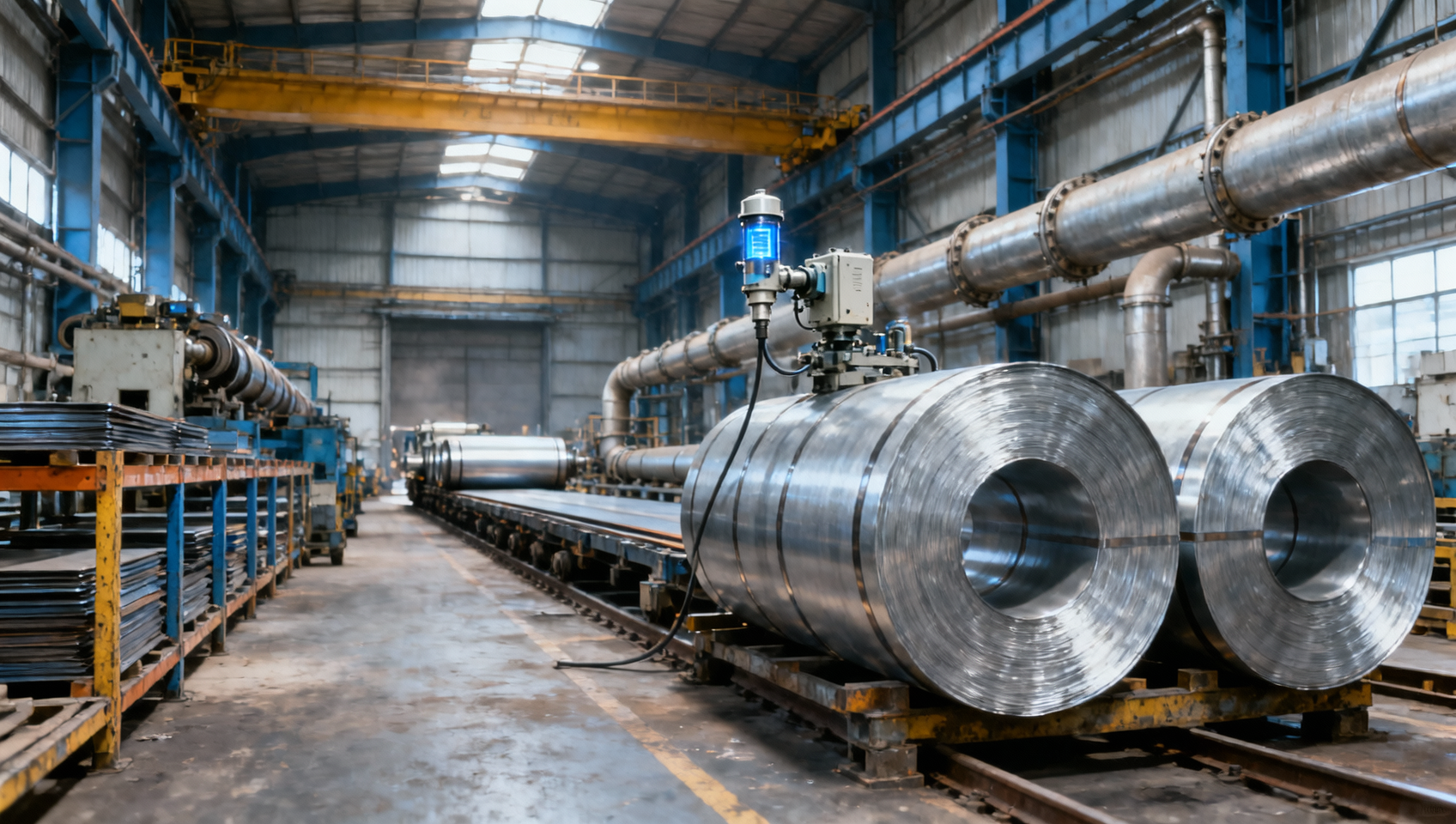
Understanding CBAM for steel starts with knowing which emissions figures your suppliers must provide—and whether those figures can withstand verification. For quality-control and safety teams supporting EU imports, the challenge is connecting production-site data, manufacturing routes, relevant precursor emissions, and shipment records into a traceable evidence chain.
The essential answer is this: you need the quantity of covered steel imported and its specific embedded emissions, supported by information about the installation, production process, calculation method, and relevant input materials. However, direct and indirect emissions are treated differently, and the requirements for transitional reports are not identical to those under the definitive regime.
A mill certificate may confirm chemical composition and mechanical properties. It does not, on its own, establish CBAM embedded emissions. That distinction is where many supplier-documentation gaps begin.
Start with the reporting period and the steel product
Before requesting emissions data, establish which rules apply to the import. The CBAM transitional period ran from 1 October 2023 to 31 December 2025. The definitive regime began on 1 January 2026. Historical transitional reports and definitive declarations should not be prepared using the same assumptions.
Next, check the customs Combined Nomenclature, or CN, code against the current CBAM scope. Coverage includes many iron and steel goods, but not every item described commercially as “steel” is covered. Certain downstream articles are included, while other products and materials are excluded. Classification therefore comes before emissions accounting.
Also confirm whether an exemption applies under the rules effective for the import year, including the applicable annual mass-based threshold. A supplier’s statement that an order is “small” is not a sufficient exemption check; assess the importer’s relevant aggregate imports.
This distinction matters when reviewing older supplier questionnaires. A template developed for 2024 may still request useful electricity information, but it is not automatically a complete or correctly structured dataset for a 2026 import.
The emissions dataset to request from a steel supplier
A usable submission contains more than a single carbon-intensity figure. Request the following information as a connected package, with consistent units and clearly identified reporting boundaries.
1. Installation identity and production route
Identify the installation where the steel was produced, including its name, address, country, and relevant installation identifiers or geographical details required by the reporting system. A trading company’s office address cannot substitute for the producing installation.
Ask the supplier to identify the production route and relevant processes: for example, blast furnace–basic oxygen furnace production, scrap-based electric arc furnace production, or direct reduced iron followed by electric arc furnace steelmaking. The route determines which emission sources and precursors need attention.
Where goods pass through several facilities, distinguish the steelmaking installation from downstream rolling, coating, or fabrication sites. “Produced by our group” is too vague when the group operates mills with different routes and emissions profiles.
2. Product quantity and the applicable production period
Record the imported quantity in tonnes and reconcile it with customs documentation. Separately, obtain the production quantity used as the denominator in the supplier’s emissions calculation. These quantities serve different purposes: one represents imports; the other supports the installation’s specific emissions intensity.
The operator should identify the period covered by its production and emissions dataset, following the applicable calculation rules. Do not assume the data must be measured separately for each shipment. Installation- or production-process-level data can support imported goods where the prescribed allocation method and traceability requirements are satisfied.
3. Specific direct embedded emissions
For covered steel, the central figure is specific direct embedded emissions, expressed in tonnes of CO2 equivalent per tonne of goods. Carbon dioxide is the greenhouse gas specified for the iron and steel category under the CBAM framework.
Request both the reported intensity and its calculation basis. Supporting information should explain emissions attributed to the relevant production process, the output used in the calculation, and any embedded emissions from relevant precursors.
Direct emissions may arise from fuel combustion, carbon used as a reducing agent, process reactions, electrodes, and other sources within the prescribed boundary. Relevant heating or cooling supplied to the process also needs to be handled under the applicable methodology. A furnace fuel total alone is rarely enough to demonstrate a complete calculation.
4. Relevant precursor quantities and emissions
Steel can be a complex good: its embedded emissions include not only the emissions of the process producing it, but also those of relevant precursor materials identified by the CBAM methodology. Depending on the product and route, these may include materials such as pig iron, direct reduced iron, crude steel, or specified ferroalloys.
Ask which precursors were included, how much was consumed, their origin where relevant, and which specific embedded-emissions values were used. Purchased inputs do not become emissions-free simply because their production occurred outside the reporting installation.
Conversely, do not add a full upstream lifecycle inventory without checking the CBAM boundary. The methodology defines relevant precursors; it does not require indiscriminate inclusion of every purchased material.
5. Indirect emissions where the reporting rules require them
For transitional steel reports, suppliers needed to provide electricity-related information supporting indirect embedded emissions, including electricity consumption and the applicable emission factor. Any use of an actual electricity factor needed to satisfy the relevant methodological conditions.
For the definitive regime, covered iron and steel goods currently fall within the direct-emissions-only treatment in Annex II. Keep electricity data available for historical reporting, internal assurance, and future regulatory changes, but do not automatically add it to the definitive CBAM steel emissions figure.
Understand the calculation before accepting the result
The basic logic for a complex steel good is the emissions attributed to its production process, plus the embedded emissions of relevant precursors consumed, divided by the corresponding production output. This is a conceptual explanation—not a substitute for the prescribed calculation and allocation rules.
Suppose a rolling installation purchases steel billets. Reporting only the rolling furnace’s emissions would omit the relevant emissions embedded in the billets. At the other extreme, adding billet emissions to a number that already includes them would double-count the same upstream production.
This is why quality teams should ask two questions alongside every intensity figure: What does this number include, and what has already been counted?
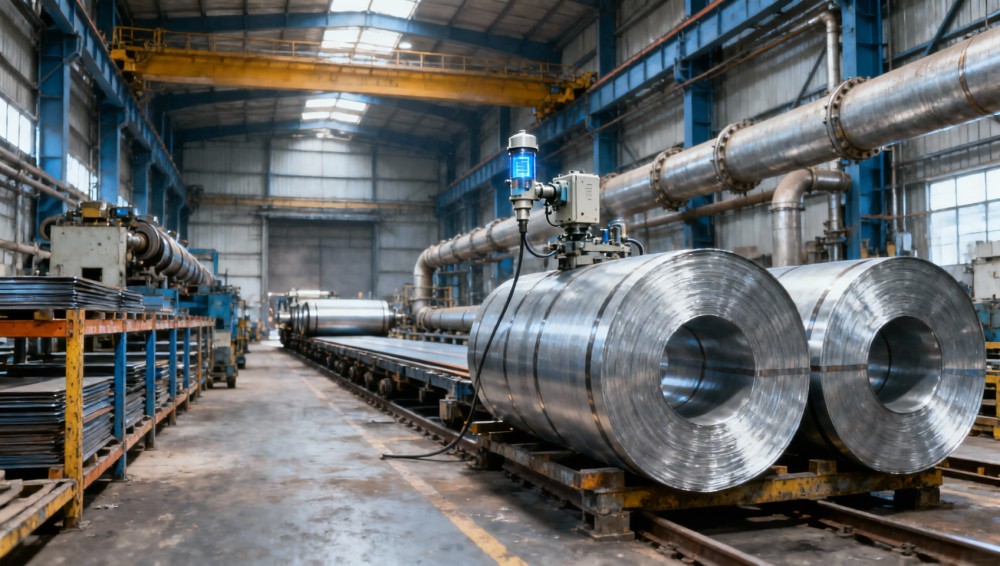
A practical traceability map should connect the imported product to its producing installation, production process, relevant precursor dataset, calculation record, and verification evidence where required. It need not resemble a shipment-by-shipment carbon meter; it must demonstrate that the assigned emissions data genuinely apply to the goods.
What evidence makes the figures defensible?
Supplier declarations are useful starting points, but the underlying evidence should enable an independent reviewer to understand the calculation. Not every importer must retain every raw meter reading personally; nevertheless, the operator’s supporting records must be accessible through a workable assurance process.
- Monitoring methodology: system boundaries, emission sources, calculation methods, measurement approaches, and treatment of data gaps.
- Fuel and material records: consumption, relevant carbon content or other calculation factors, and supporting laboratory or supplier documentation.
- Production and allocation records: output quantities, process boundaries, and the basis for distributing emissions between products.
- Precursor documentation: quantities consumed, corresponding embedded emissions, and the basis for actual or default values.
- Quality controls: meter calibration, reconciliation checks, data ownership, revision history, and approval records.
- Verification evidence: the required verification report for actual emissions, with a scope matching the relevant installation, period, and goods.
Accreditation and scope matter. An ISO certificate, environmental management certificate, or generic “carbon-neutral” statement is not a substitute for CBAM-compliant verification. Likewise, an environmental product declaration or product carbon footprint may contain useful inputs, but its lifecycle boundary, electricity treatment, and allocation rules may differ from CBAM.
When actual data are unavailable, examine the definitive regime’s applicable default-value provisions. A published legal default is different from a consultant’s estimate or a global steel-sector average. Default values may also have significant financial consequences, so flag their use to procurement and the responsible declarant.
A review routine for quality-control and safety teams
The most effective review starts before purchasing, when supplier cooperation can still be made part of the commercial agreement. Request a named emissions-data contact, the producing installation, the proposed calculation method, and the expected availability of verification evidence.
When the dataset arrives, run four checks.
- Identity check: Do product descriptions, CN classification, mill identity, and shipment records agree?
- Boundary check: Does the calculation cover the required processes and precursors without omissions or duplication?
- Arithmetic check: Are quantities, units, totals, and intensity calculations internally consistent?
- Evidence check: Are the methodology, reporting period, source records, and verification status documented?
Investigate implausible changes rather than imposing a single “acceptable” intensity on every mill. A shift from one production route to another, a different precursor source, or corrected allocation can legitimately change the result. An unexplained spreadsheet revision should not pass simply because the new number looks attractive.
Safety and environmental personnel often understand fuel systems, process gases, metering, and plant operating records better than commercial teams. Their role is especially valuable in finding missing emission sources. Quality personnel can apply familiar controls for supplier approval, document versioning, nonconformities, and corrective action.
Keep emissions accounting separate from financial adjustments
Where a carbon price was effectively paid in the country of origin and a deduction is claimed, supporting evidence is needed under the applicable rules, including the treatment of rebates or compensation. A general statement that the exporting country has carbon pricing is insufficient.
Do not subtract that payment from the steel’s physical embedded-emissions intensity. Carbon-price deductions and adjustments reflecting EU free allocation affect the compliance calculation; they do not change how many tonnes of emissions are embedded in the goods.
Build a supplier file that can survive review
A reliable CBAM for steel file answers five practical questions: which goods were imported, where they were produced, how their emissions were calculated, which precursor emissions were included, and what evidence supports the result. For actual emissions under the definitive regime, it must also address the required verification.
Use the CBAM Regulation (EU) 2023/956, its current amendments and implementing rules, and European Commission CBAM guidance as the regulatory reference. For historical transitional reporting, consult Implementing Regulation (EU) 2023/1773 and the rules applicable to the quarter concerned.
Industry intelligence from NEXUSINSIGHTS can help teams monitor steelmaking developments, sourcing changes, and policy updates. The compliance decision, however, should rest on the applicable legal requirements and the supplier’s traceable evidence—not on a reassuring emissions number without a documented boundary.
 Ministry Adjusts Oversight of Civil Nuclear Safety Equipment and Transport ContainersTime : Nov 09, 2026
- US Announces No New Tariffs on Industrial Machinery and Robot PartsTime : Oct 30, 2026
- US Proclamation Adjusts Robot and Industrial Machinery Imports, Delays Added TariffsTime : Oct 29, 2026


Industry Briefing
Get the top 5 industry headlines delivered to your inbox every morning.