
Export Trade Policy: How to Comply Without Delays

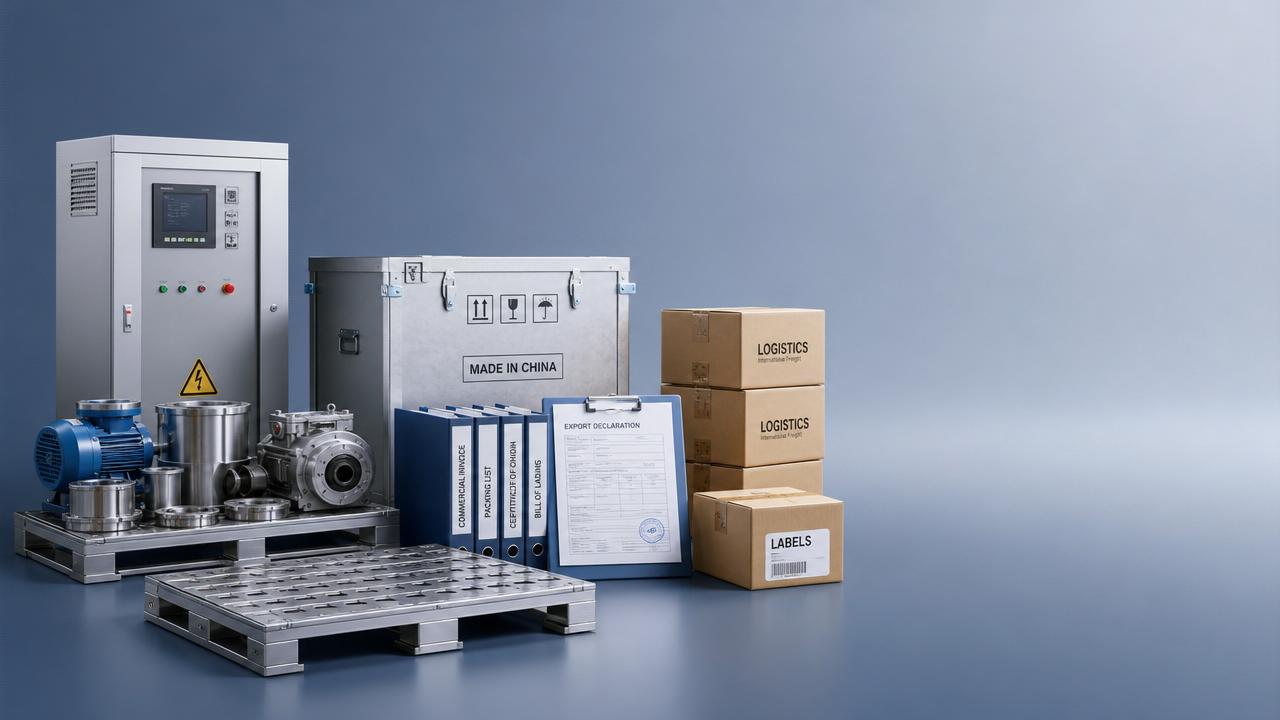
Export controls are tightening, and export trade policy how to comply is now a scheduling issue
For project managers and engineering leads handling cross-border sourcing, understanding export trade policy how to comply is essential to avoid customs delays, documentation errors, and rising project costs. This guide explains the key compliance steps, policy checks, and coordination points across suppliers, logistics, and internal teams, helping you keep industrial equipment and component shipments moving on schedule.
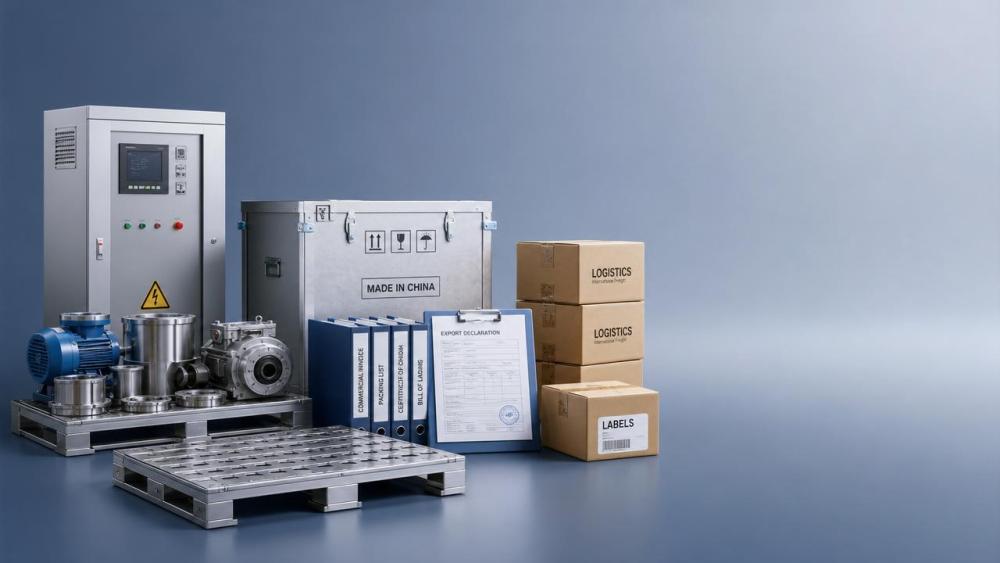
In manufacturing, industrial equipment, components, and electrical supply chains, export compliance has shifted from a back-office task to a front-end planning requirement. Policy updates now affect shipment timing, technical file preparation, end-user screening, product classification, and even packaging data. That means export trade policy how to comply is no longer only a legal question; it directly influences production milestones, installation windows, and budget control.
Recent changes across customs enforcement, sanctions screening, dual-use controls, and origin verification show a clear pattern: authorities expect higher data accuracy and stronger traceability. Industrial shipments often involve multi-part assemblies, spare kits, control systems, or mixed-origin components, making errors more likely if compliance checks happen too late. A practical approach to export trade policy how to comply starts before cargo booking and continues through delivery records and post-shipment audits.
The strongest trend signals are stricter reviews, more data matching, and less tolerance for incomplete files
Across general industry sectors, several signals point to a more demanding export environment. Customs systems are increasingly digital, licensing reviews are more connected to end-use declarations, and logistics partners are asked to verify information that was once accepted at face value. For companies shipping machinery, industrial components, motors, switchgear, control cabinets, or replacement parts, small inconsistencies can trigger holds that delay an entire project sequence.
Another trend is the convergence of trade policy, technical documentation, and supply chain transparency. Product specifications, HS codes, country of origin, declared value, and consignee details are being checked together rather than in isolation. This is why export trade policy how to comply must be treated as a cross-functional discipline involving engineering, sales operations, logistics, quality, and finance.
Why this trend is accelerating
Where delays usually start in industrial shipments
Most shipment delays are not caused by one major violation but by a chain of smaller gaps. A machine can be technically ready, yet blocked because the product description on the commercial invoice is too vague. A spare parts shipment may miss a required end-use statement. An electrical assembly may be classified by commercial name rather than technical function. In each case, export trade policy how to comply depends on disciplined data preparation, not just last-minute paperwork.
Industrial trade flows are especially exposed because many orders combine standard goods, customized components, control software references, installation accessories, and after-sales parts. That mix increases the risk of mismatched descriptions, incorrect values, or inconsistent unit counts between packing lists, invoices, and declarations.
Common friction points
- HS code selection based on sales naming instead of technical attributes
- Missing review of restricted-party lists or sanctioned destinations
- Unclear end-use or end-user information for controlled items
- Country of origin not aligned with actual transformation rules
- Declared values that do not match contract structure, tooling, or bundled services
- Technical files not available early enough for license assessment
- Freight booking completed before export approval status is confirmed
The real impact spreads across planning, cost, and supplier coordination
When export compliance slips, the effects reach far beyond customs. Project schedules may need resequencing. Site installation teams may face idle time. Expedited freight may be used to recover lost days. Supplier credibility can weaken if promised delivery dates repeatedly change due to documentation issues. This is why export trade policy how to comply should be embedded into project controls, not treated as a final checkpoint.
The burden also falls unevenly across business functions. Engineering teams may need to clarify technical parameters for classification. Logistics teams must reconcile shipment data across systems. Finance must support accurate valuation and payment terms. Quality or document control teams often manage certificates, declarations, and revision consistency. Without a clear owner and decision path, shipment readiness becomes fragmented.
Business areas most affected
- Production planning: release dates may shift if licensing or screening is incomplete.
- Procurement coordination: mixed-origin parts can complicate origin and content declarations.
- Logistics execution: booking changes, port storage, and re-documentation increase cost.
- Customer delivery commitments: downstream installation and commissioning timelines are put at risk.
- Audit exposure: weak records create risk long after cargo has shipped.
What to prioritize if export trade policy how to comply is becoming a recurring challenge
The most effective response is to build a repeatable compliance workflow tied to order milestones. For industrial businesses, this means checking policy exposure as early as quotation review or engineering release, rather than waiting for shipping documents. If export trade policy how to comply is reviewed only at dispatch, the team has little room to correct classification, secure licenses, or update missing end-user information without delay.
Core control points worth strengthening
- Create a standard product classification file for recurring machinery, components, and electrical items.
- Align commercial descriptions with technical descriptions so invoices and customs entries tell the same story.
- Verify destination, consignee, end user, and end use before production completion.
- Set a hold point that prevents freight booking until export status is confirmed.
- Maintain document version control for packing lists, invoices, origin support, and license records.
- Review contract value elements to ensure the declared customs value is complete and defensible.
- Keep audit-ready records of screening results, approvals, and shipment decisions.
A practical response framework reduces uncertainty before cargo reaches the port
A useful way to manage export trade policy how to comply is to divide controls into stages. This helps teams identify what must be verified at the order stage, what belongs in pre-shipment review, and what should remain available for post-shipment support. The goal is not more paperwork; it is earlier clarity and fewer disruptive surprises.
This staged model is especially valuable for long-lead capital equipment, engineered assemblies, and multi-lot spare parts programs, where shipment readiness often depends on many document contributors. It turns export trade policy how to comply into a managed process rather than a reactive scramble.
What to watch next as policy enforcement continues to evolve
Looking ahead, three developments deserve close attention. First, expect more data-level scrutiny, where customs and regulatory systems compare values, descriptions, and shipment parties across filings. Second, technical classification may receive more attention for electrical and automation-related goods, particularly where software, communications, or control functions are involved. Third, documentation expectations will likely rise for re-exports, routed transactions, and shipments involving multiple intermediaries.
That makes continuous monitoring essential. Export trade policy how to comply is not a one-time checklist completed at onboarding. It requires periodic review of product master data, destination risk, documentation templates, and internal approval rules. Businesses that adapt early usually see fewer emergency escalations, better on-time delivery performance, and more predictable landed cost control.
Turn compliance into an operational advantage
If export delays have become a recurring issue, start by mapping one recent shipment from quotation to customs release and identify where export trade policy how to comply was checked, skipped, or duplicated. Then standardize the key data points, assign approval ownership, and set a pre-booking compliance gate. In industrial supply chains, the fastest shipments are rarely the ones rushed at the end; they are the ones prepared correctly from the beginning.
A disciplined approach to export trade policy how to comply supports smoother cross-border execution, stronger supplier coordination, and more reliable project delivery. With tighter policies becoming the norm, practical compliance capability is now part of operational resilience.
 Ministry Adjusts Oversight of Civil Nuclear Safety Equipment and Transport ContainersTime : Nov 09, 2026
- US Announces No New Tariffs on Industrial Machinery and Robot PartsTime : Oct 30, 2026
- US Proclamation Adjusts Robot and Industrial Machinery Imports, Delays Added TariffsTime : Oct 29, 2026



Industry Briefing
Get the top 5 industry headlines delivered to your inbox every morning.